Argentina has attracted remote workers and freelancers for years, largely because of one unusual feature: a persistent gap between official and informal exchange rates that can effectively cut your cost of living in half compared to what the exchange rate on your banking app suggests. Combine that with a culturally rich capital, fast urban internet, and a temperate climate, and the appeal is clear.
Visa Reality
Most nationalities - including US, UK, EU, Canadian, and Australian passport holders - enter Argentina without a visa for stays up to 90 days. This tourist entry is what the overwhelming majority of digital nomads use. Argentina introduced a formal rentista/remote worker scheme (Decreto 522/2020) allowing income earners from abroad to register as legal residents, but the practical uptake has been limited and requirements have changed. Most nomads staying longer than 90 days do a “border run” - a day trip across the Río de la Plata to Montevideo, Uruguay (two hours by fast ferry from Buenos Aires) - to reset their entry stamp.
If you intend to stay long-term and want legal clarity, consult an Argentine immigration lawyer before arriving. The rules around remote work income, tax registration, and residency have been evolving.
The Exchange Rate Situation
Argentina’s currency situation is central to any cost discussion. The official exchange rate (used at bank ATMs and many hotels) significantly undervalues the dollar and euro relative to street and fintech rates. The “blue dollar” - the informal parallel rate - has historically run 50–100% above the official rate, though the gap narrows when government policy tightens.
Authorised currency exchange offices (casas de cambio) in Buenos Aires operate legally and offer rates closer to the informal rate. Fintech apps popular among travellers (Wise, Revolut) can also yield better-than-official rates depending on the transfer mechanism. Using a debit card at an Argentine ATM gives you the official rate and charges high fees - not the best option.
This matters practically: at the informal rate, Argentina becomes one of Latin America’s most affordable destinations for holders of USD or EUR. At the official rate, it is mid-range at best.
Buenos Aires
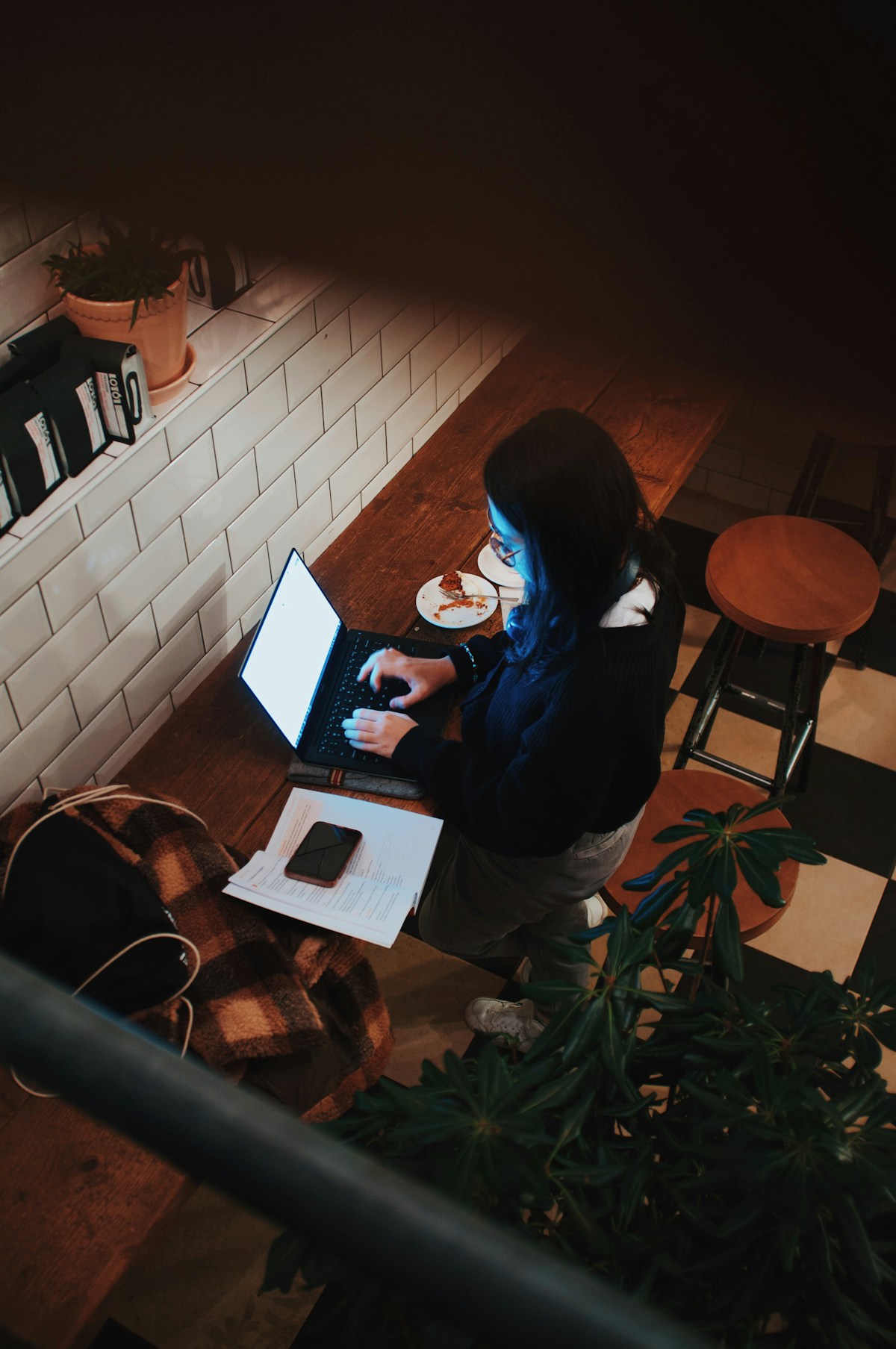
Buenos Aires is the primary nomad hub. The city has a dense concentration of coworking spaces, reliable fibre internet, excellent food and nightlife, and a genuine café culture where working for hours is socially acceptable. Palermo - specifically Palermo Soho and Palermo Hollywood - has the highest density of coworking spaces and coffee shops with good WiFi. AreatreBA on Thames Street is one of the better-known independent coworking options; WeWork has multiple locations; and dozens of smaller spaces operate throughout the barrio.
The city is large enough to offer variety - quieter areas like Villa Crespo and Chacarita have become increasingly popular with longer-term nomads seeking lower rents and a more local feel than Palermo. San Telmo is atmospheric but has slower café WiFi on average.
Mendoza
Mendoza, five hours from Buenos Aires by bus or one hour by air, is a quieter alternative with a distinct character. The wine region appeal - cycling between bodegas, long restaurant lunches - overlaps well with the kind of unhurried remote work lifestyle many nomads seek. Internet and coworking infrastructure are thinner than Buenos Aires but adequate, and costs are lower. It suits nomads who want a base outside a megacity. We cover Mendoza specifically in our Mendoza digital nomad guide.
Córdoba
Córdoba is Argentina’s second city and has a large student population that keeps costs low and café culture active. Coworking spaces have expanded in recent years. It is less visited by international nomads than Buenos Aires, which can be an advantage - rents are lower and the pace is slower. Direct flights from Buenos Aires take 1 hour 15 minutes.
Practical Costs (2025–2026 Reference)
These are approximate figures using favourable exchange rates:
- Furnished apartment, Palermo (1BR): $600–1,200 USD/month
- Coworking desk (hot desk): $50–120 USD/month
- Coworking private office: $150–300 USD/month
- Restaurant lunch (local): $4–8 USD
- Restaurant dinner (mid-range): $15–30 USD
- Monthly grocery spend: $150–250 USD
- SIM card with data: $10–20 USD/month
These figures shift with exchange rate policy. Check current rates before budgeting.
Internet and SIM Cards
Fibre internet is standard in Buenos Aires apartments; speeds of 50–300 Mbps are typical. Movistar, Personal, and Claro all offer prepaid SIM cards with data plans - available at airports and phone shops throughout the city. A local SIM gives better speeds than international roaming at a fraction of the cost. Alternatively, an Argentina travel eSIM can be activated before you leave home - useful for arrivals who want data from the airport without the queue at a phone shop.
Best Time to Arrive
Spring (September–November) and autumn (March–May) offer the most comfortable conditions in Buenos Aires. The summer months (December–February) are hot and humid, and many locals leave the city for the coast. Winter (June–August) is mild rather than cold - Buenos Aires rarely sees temperatures below 5°C - and the city remains fully functional.
On days away from the laptop, guided tours across Argentina make it straightforward to book a Mendoza wine tour, Patagonia day trip, or Buenos Aires food walk without logistics overhead.
Related guides: Argentina digital nomad visa guide · Buenos Aires remote work guide · Córdoba digital nomad guide