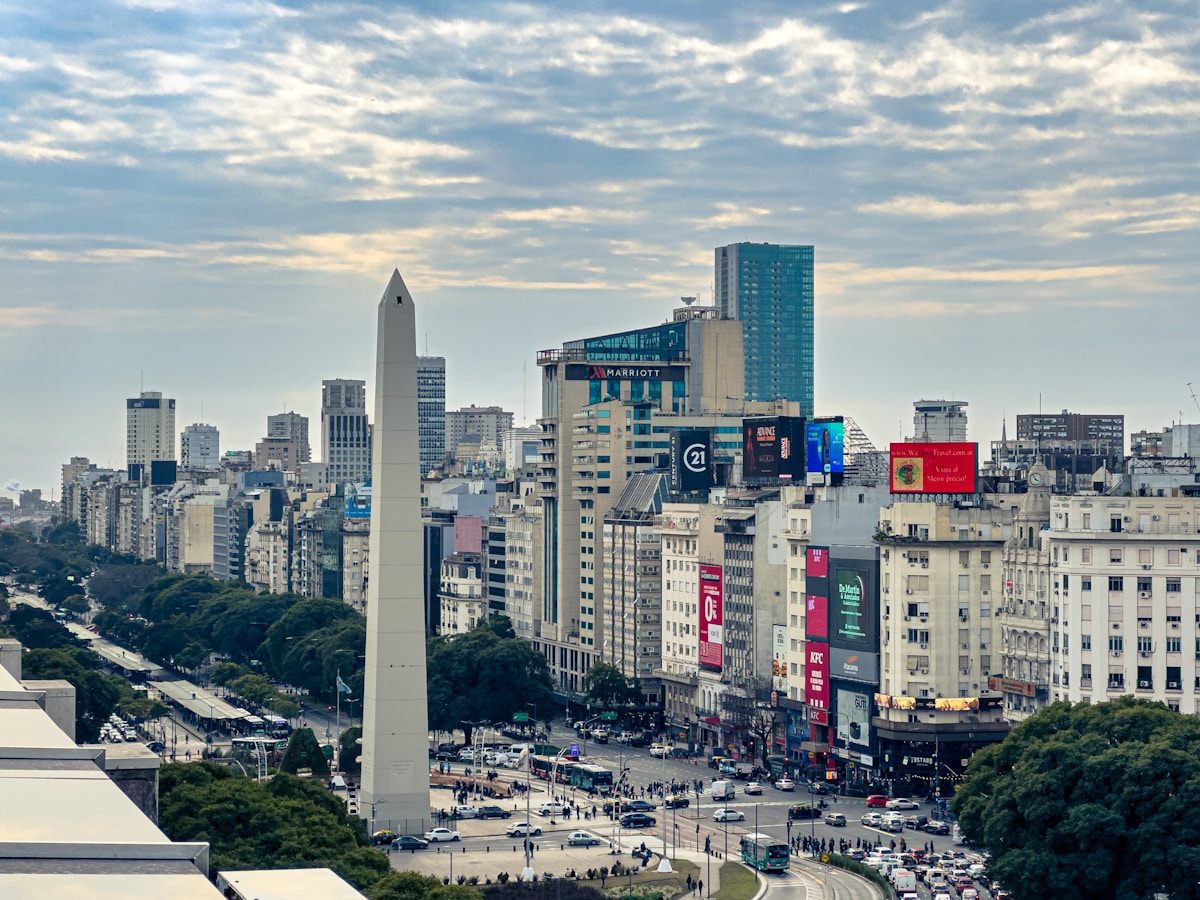
Buenos Aires
Plan your visit to Buenos Aires - Argentina's capital of tango, beef, and European-style architecture spread across diverse barrios.
Explore
From the cosmopolitan streets of Buenos Aires to the glaciers of Patagonia: pick a city or region for honest guides on where to go, where to stay, and what to eat.
Plan your visit to Buenos Aires - Argentina's capital of tango, beef, and European-style architecture spread across diverse barrios.
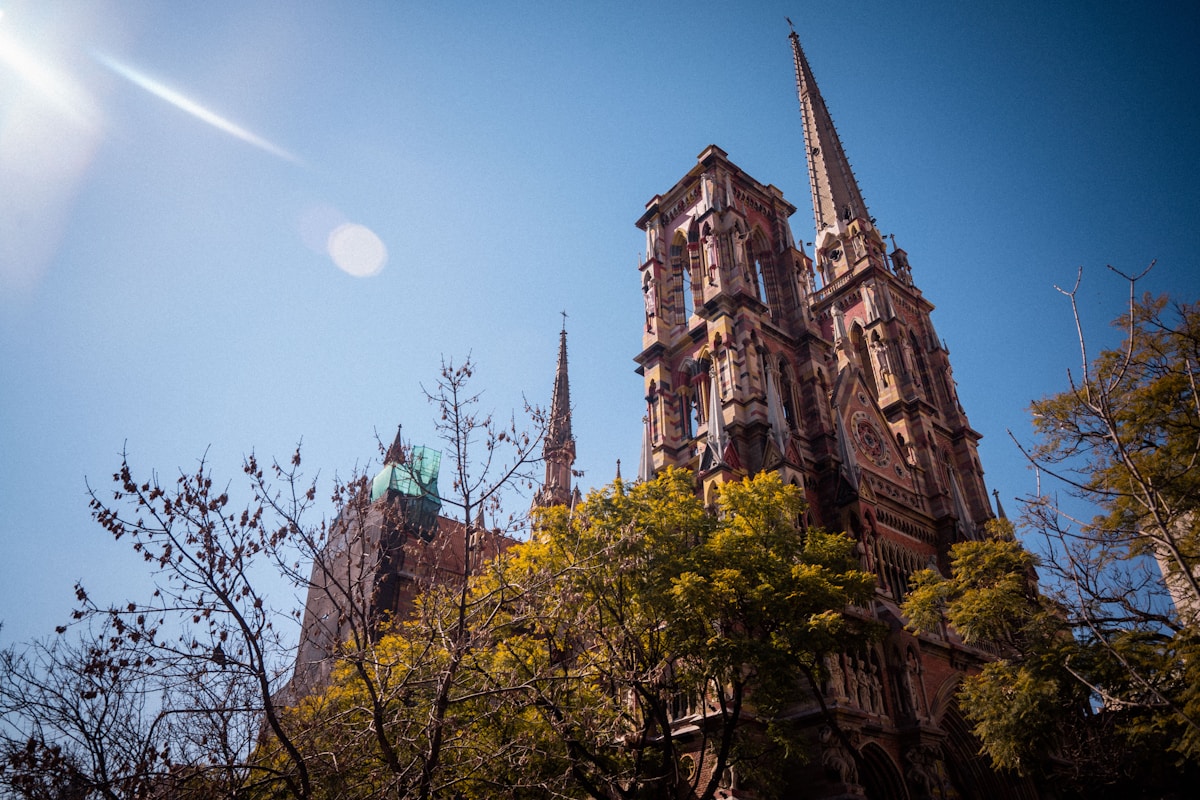
Latin America's largest neo-Gothic cathedral, a world-class natural history museum, and 60 km from Buenos Aires - La Plata makes an easy day trip.
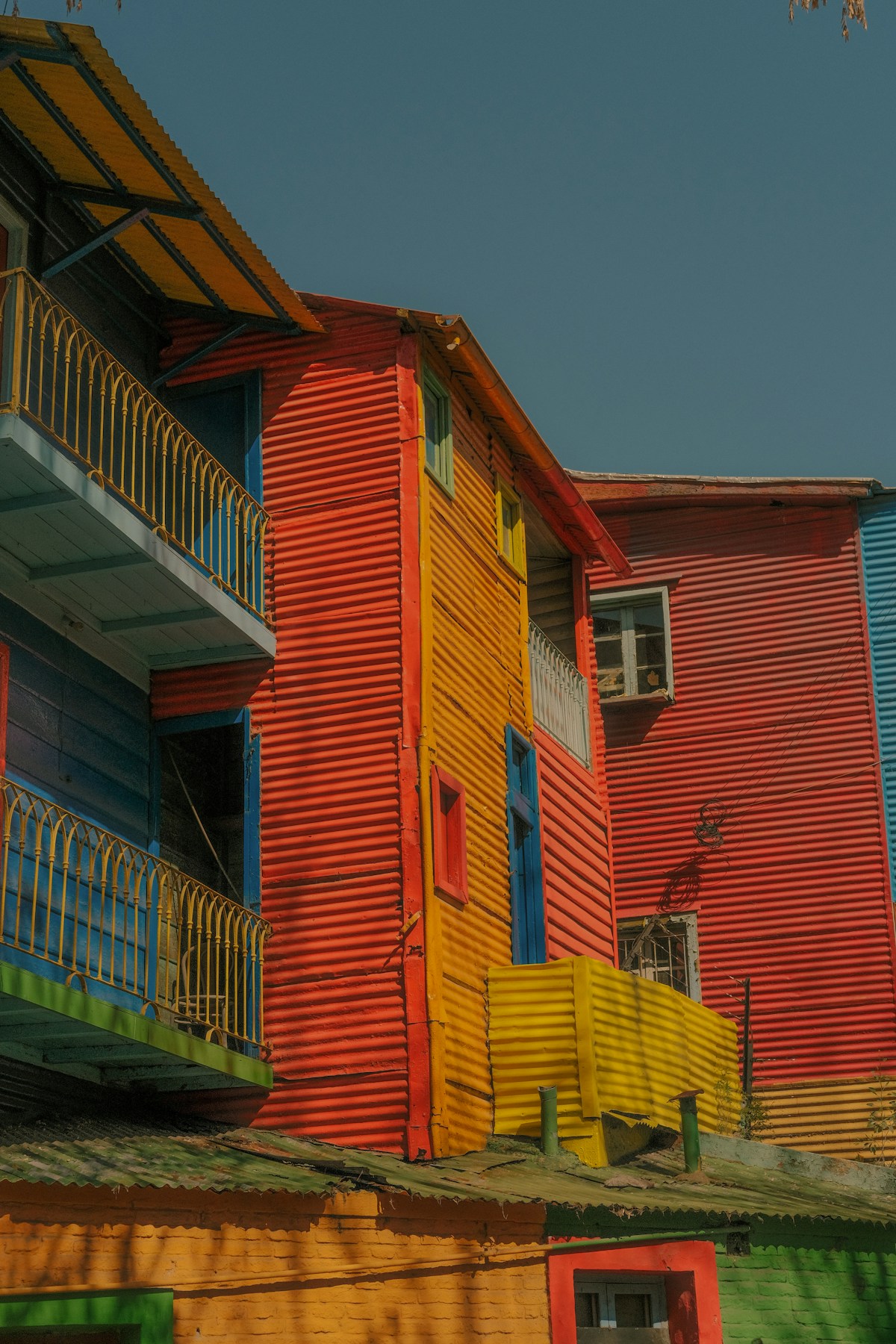
Take the commuter train from Buenos Aires, then a launch into jungle-lined canals - Tigre's Paraná Delta waterways make for an easy weekend escape.
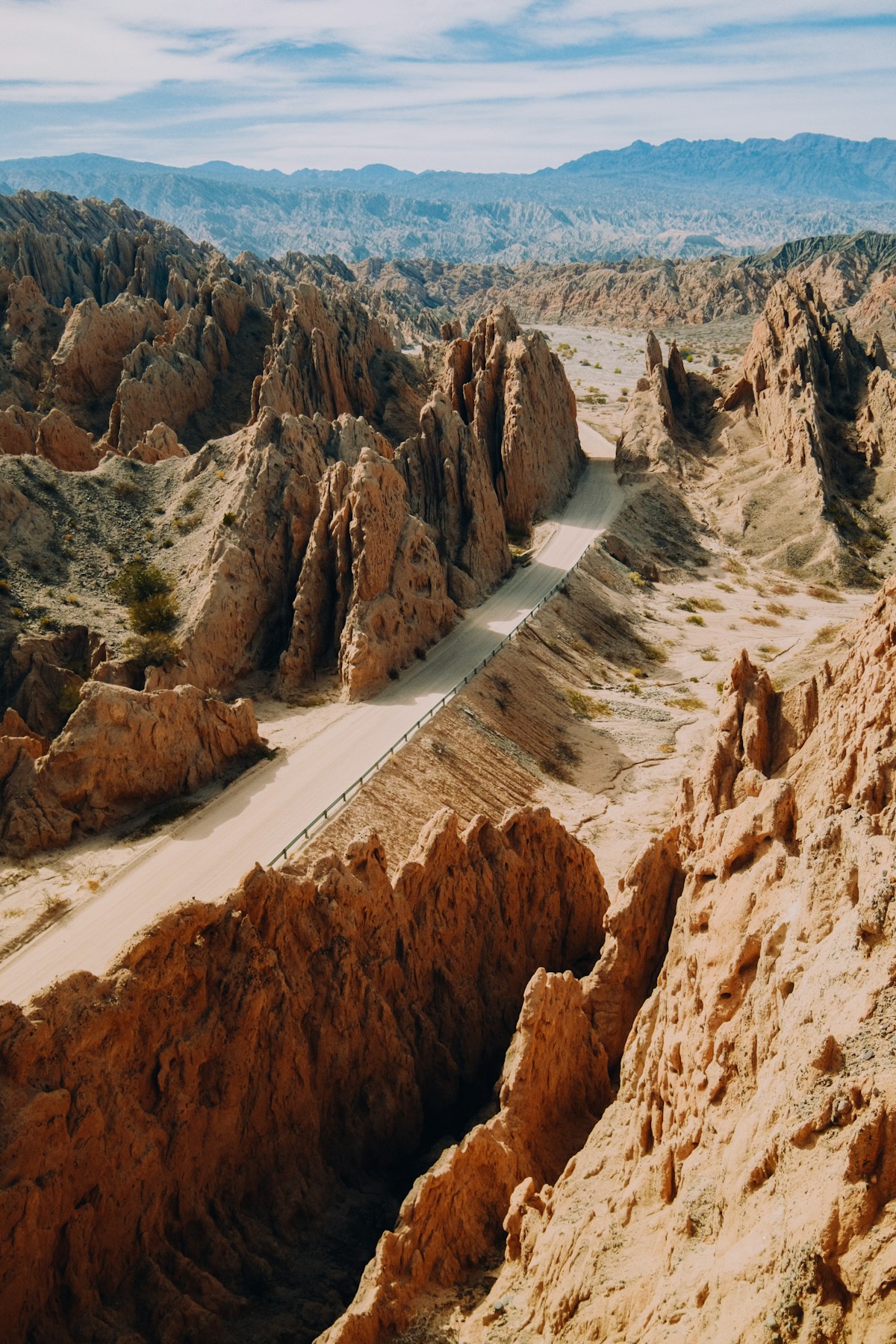
High-altitude Torrontés tastings, red-rock canyon scenery, and a walkable wine village centre - Cafayate rewards anyone who makes the drive from Salta.
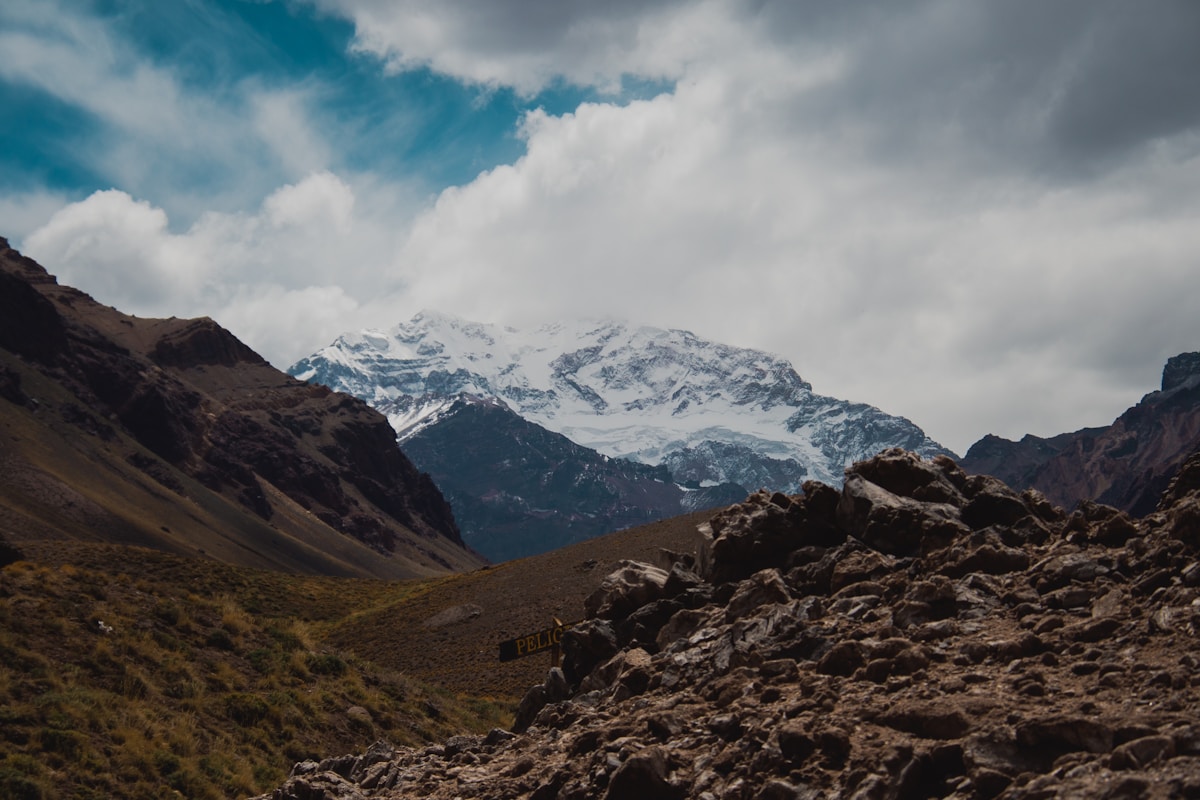
Seven-colour Purmamarca hill, the UNESCO Quebrada de Humahuaca gorge and high-altitude Puna landscapes make Jujuy a standout destination.
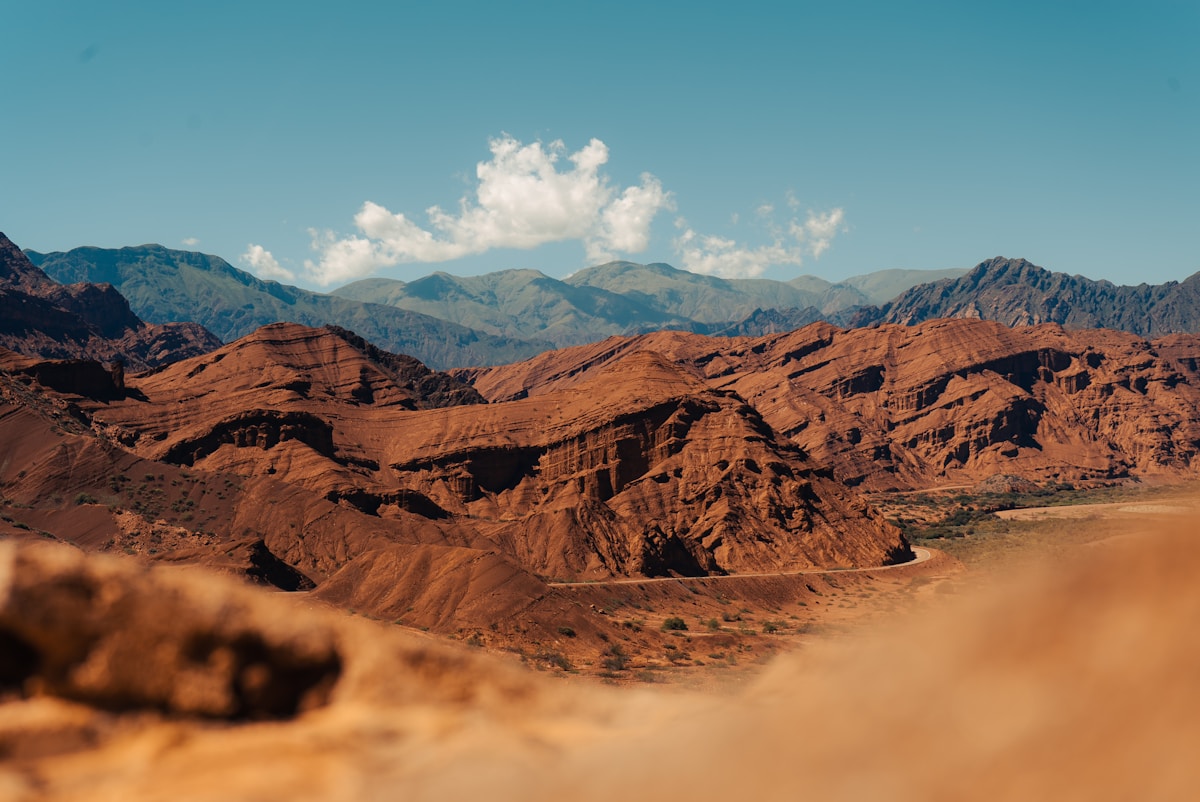
Colonial plazas, train to the clouds, and salt flats within day-trip reach - northwest Argentina's most rewarding base for Andean exploration.
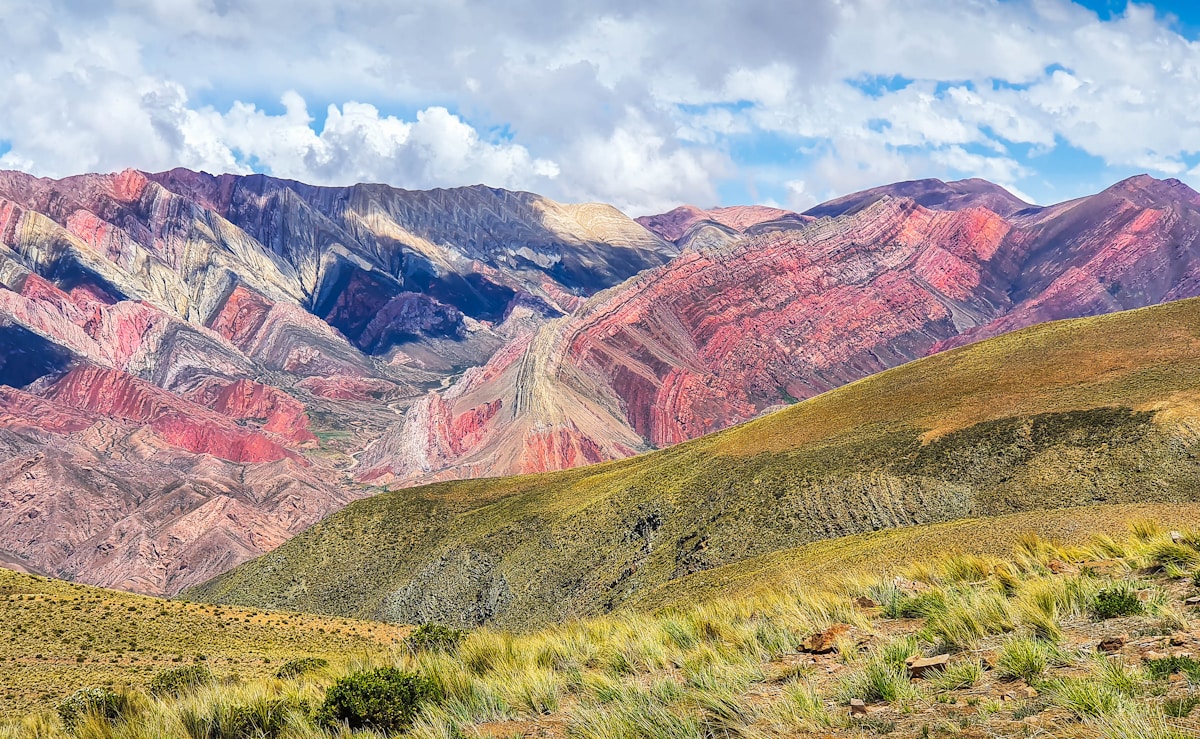
Sign the declaration of independence at the Casa Histórica, eat Tucumán's celebrated empanadas, and day-trip to Tafí del Valle's cloudforests.
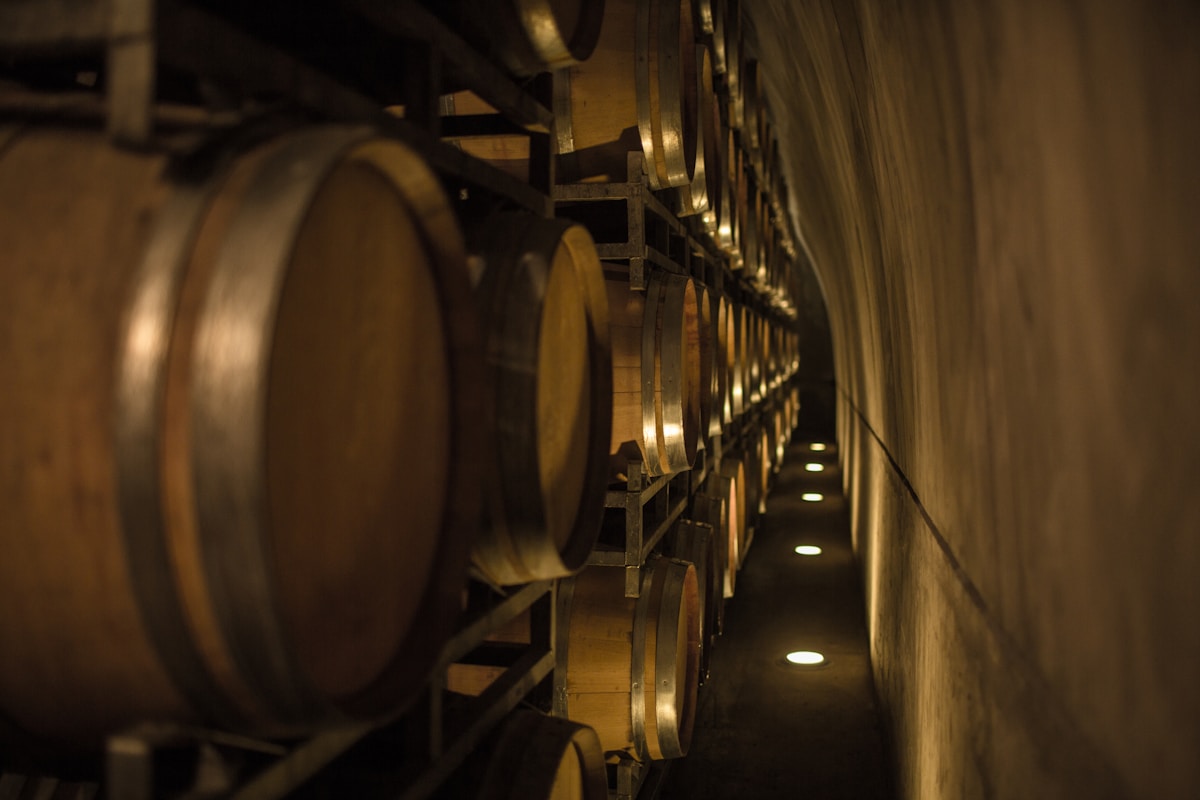
Malbec tastings on Luján de Cuyo, bike routes through Maipú bodegas, and Aconcagua day trips - Mendoza is Argentina's wine capital under the Andes.
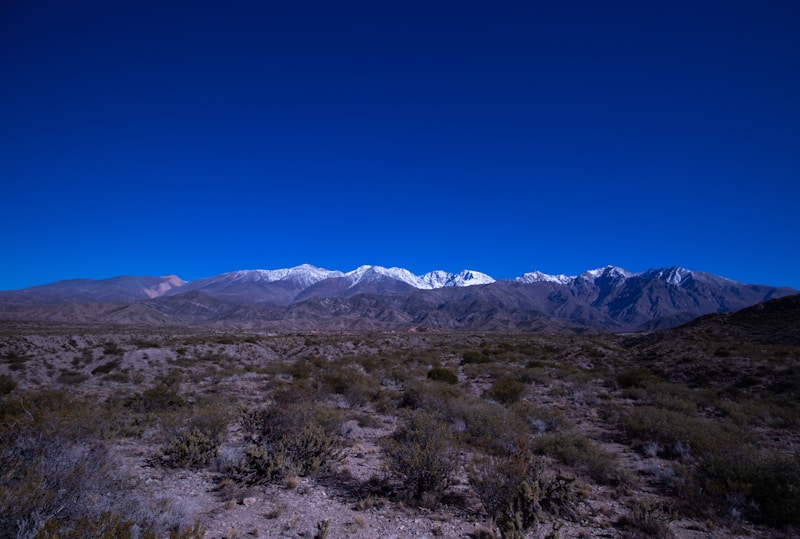
San Juan, Argentina: Ischigualasto dinosaur fossils, UNESCO canyon parks, and Cuyo wine routes. Practical guide with transport, costs, and best time to visit.
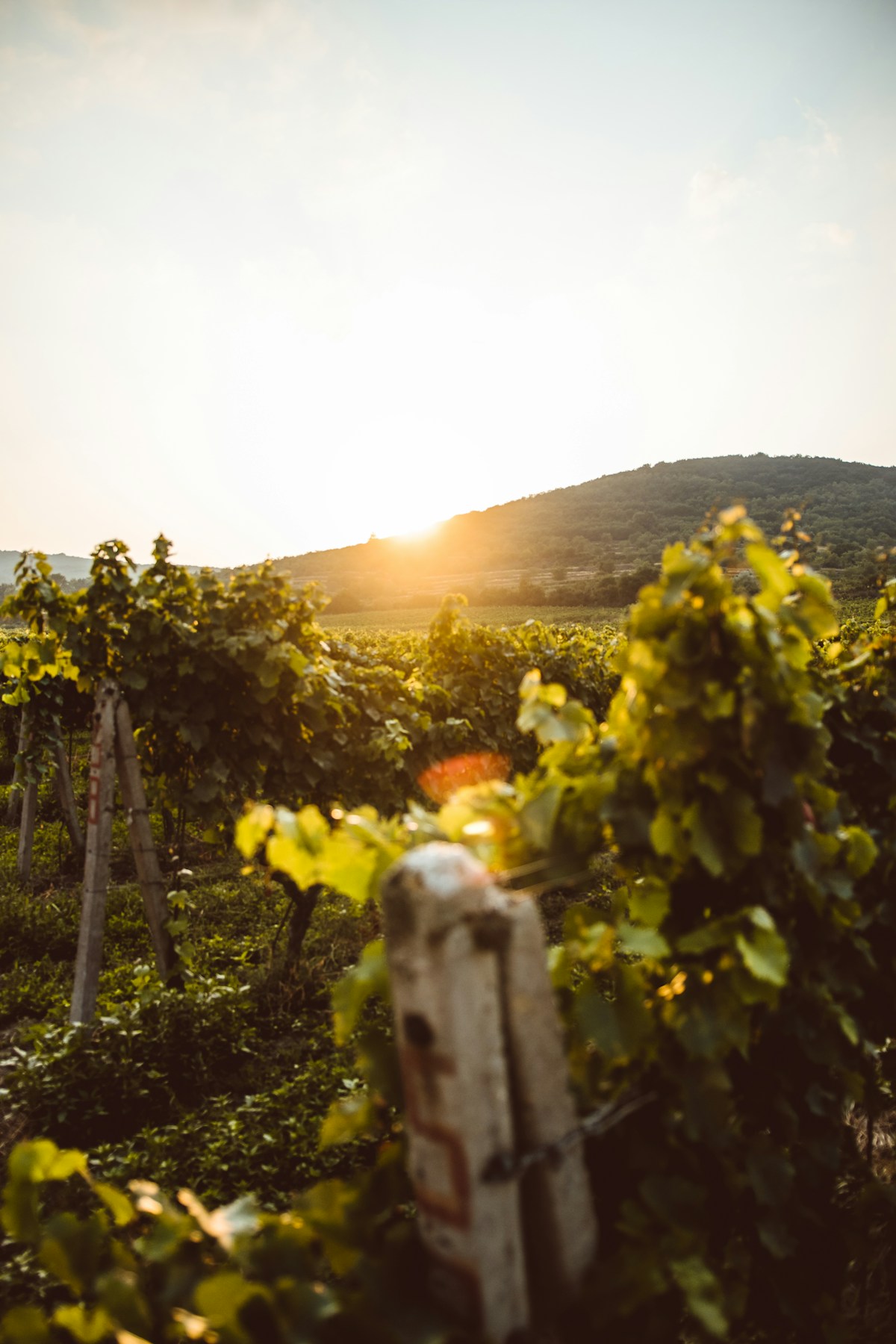
Raft the Atuel River canyon, taste Mendoza wines at family bodegas, and kayak El Nihuil reservoir - San Rafael delivers adventure and wine together.
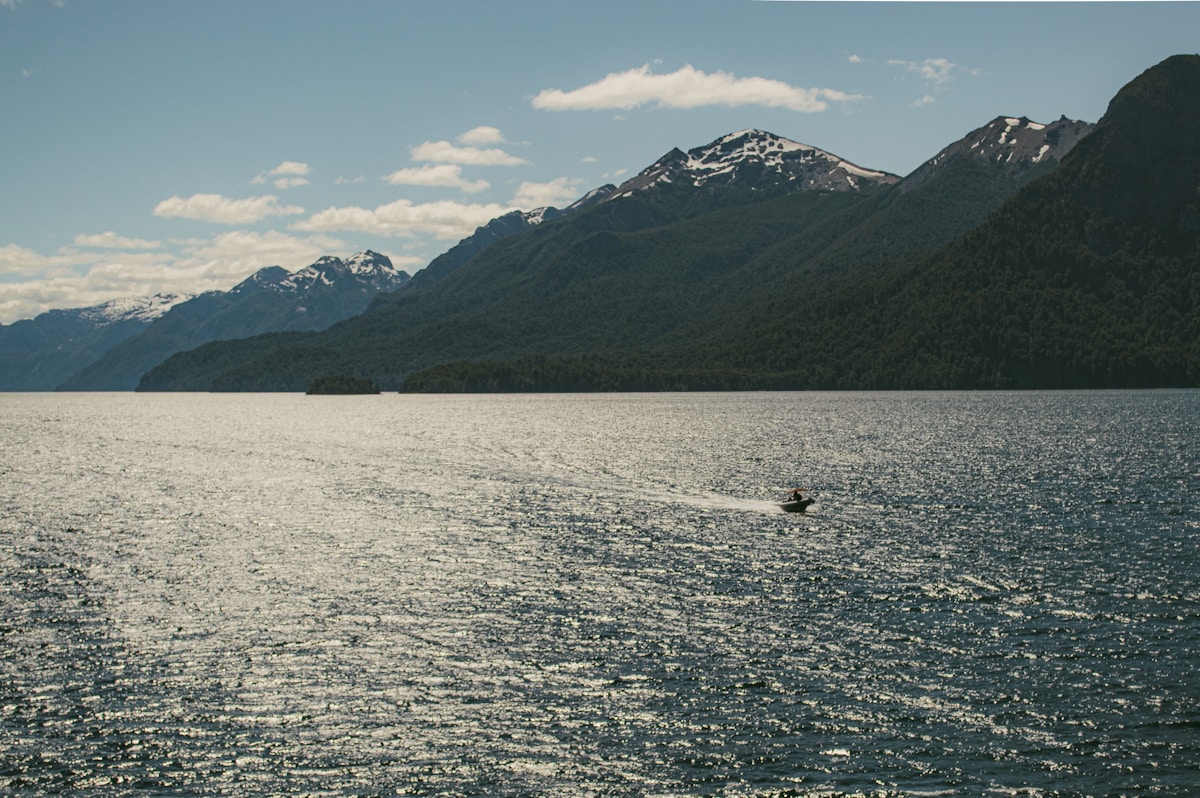
Ski Cerro Catedral, trek Patagonian peaks, buy handmade chocolate, and swim in glacial lakes - Bariloche packs Andean adventure into a lakeside city.
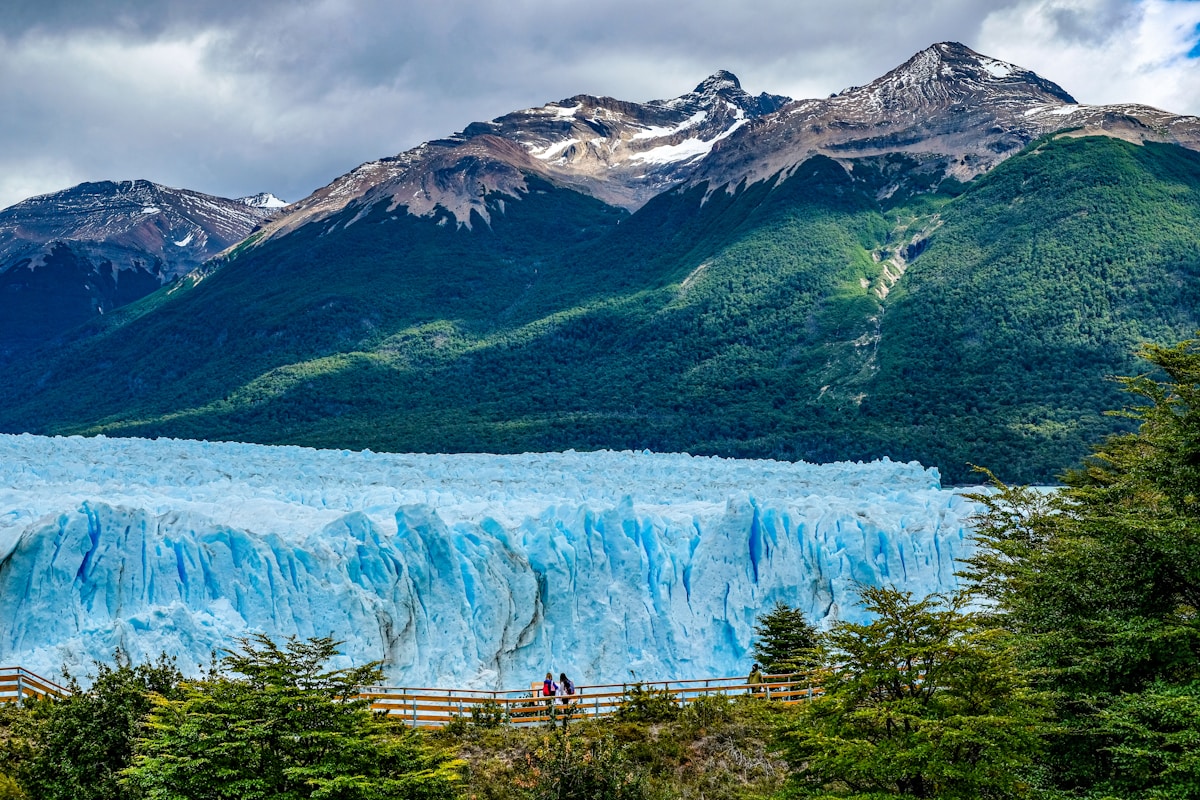
Watch Perito Moreno Glacier calve ice into Lago Argentino and hike Los Glaciares National Park - southern Patagonia's most dramatic natural spectacle.
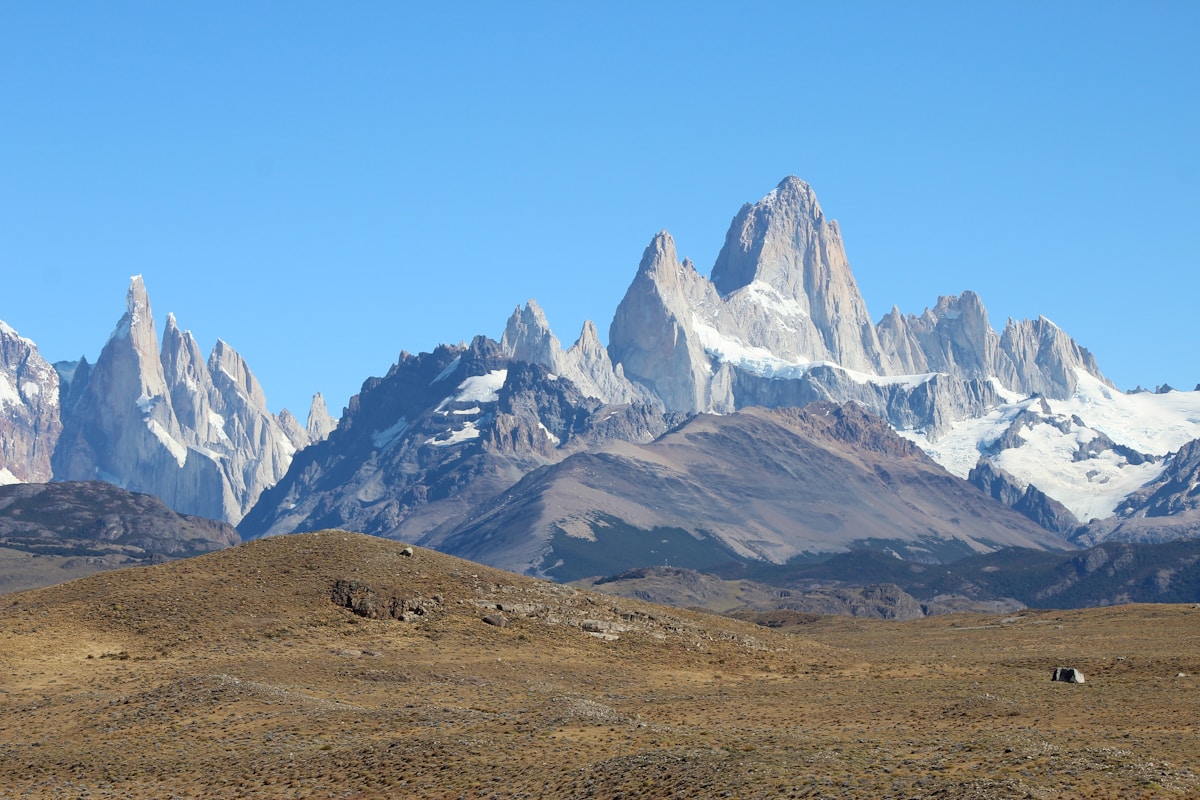
Free national park entry, Fitz Roy at your door, and Laguna de los Tres within reach - El Chaltén is Patagonia's best free trekking base.
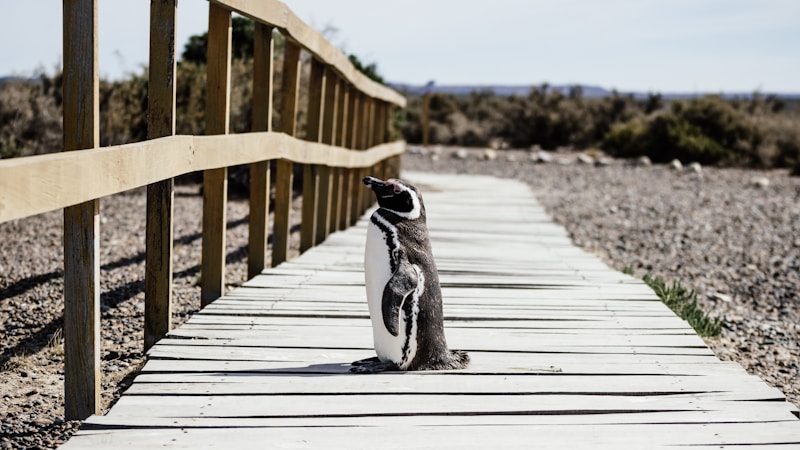
Southern right whales, orcas, elephant seals, and penguins gather on Peninsula Valdés - one of Patagonia's finest wildlife encounters, UNESCO-listed.
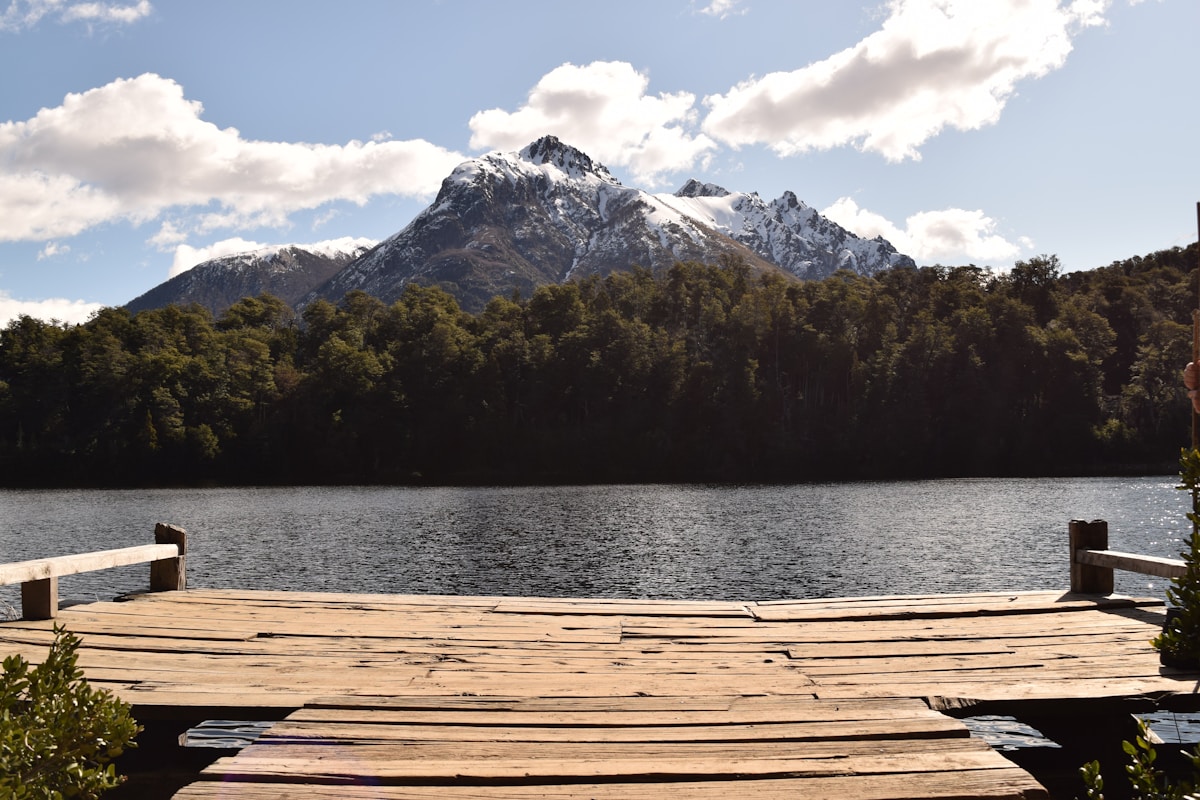
Ski Chapelco, drive the Siete Lagos scenic road, and kayak Lago Lácar - San Martín de los Andes is Patagonia's most complete mountain base.
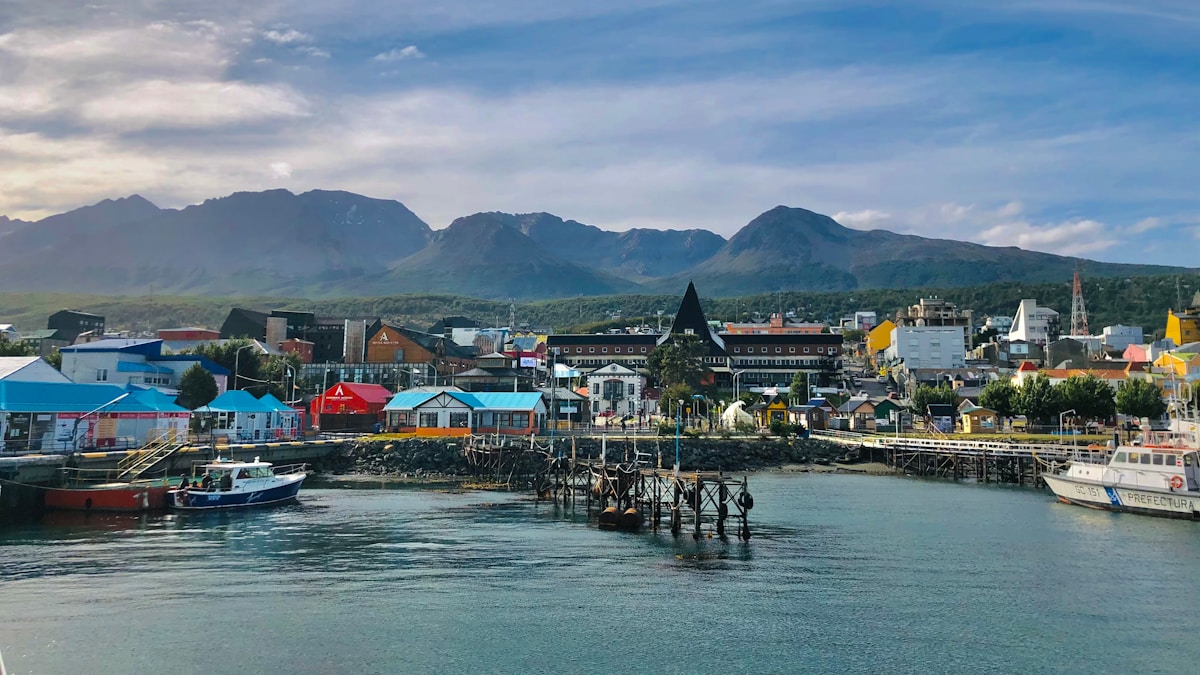
Penguin colonies, glacier hikes, and Antarctic cruise departures - the world's southernmost city on the Beagle Channel delivers bucket-list adventures.
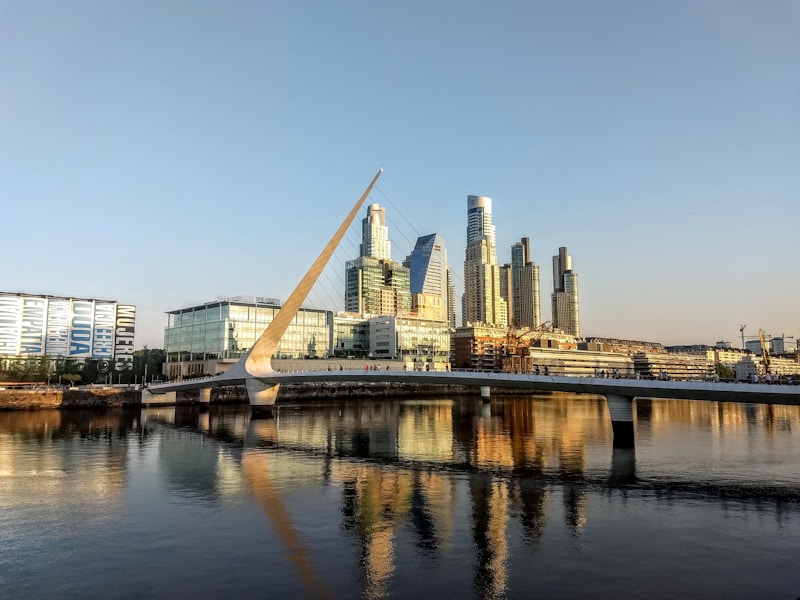
Argentina's wildest carnival, Iberá wetland wildlife, and Guaraní culture - all in a lively Paraná riverside city in the humid northeast.
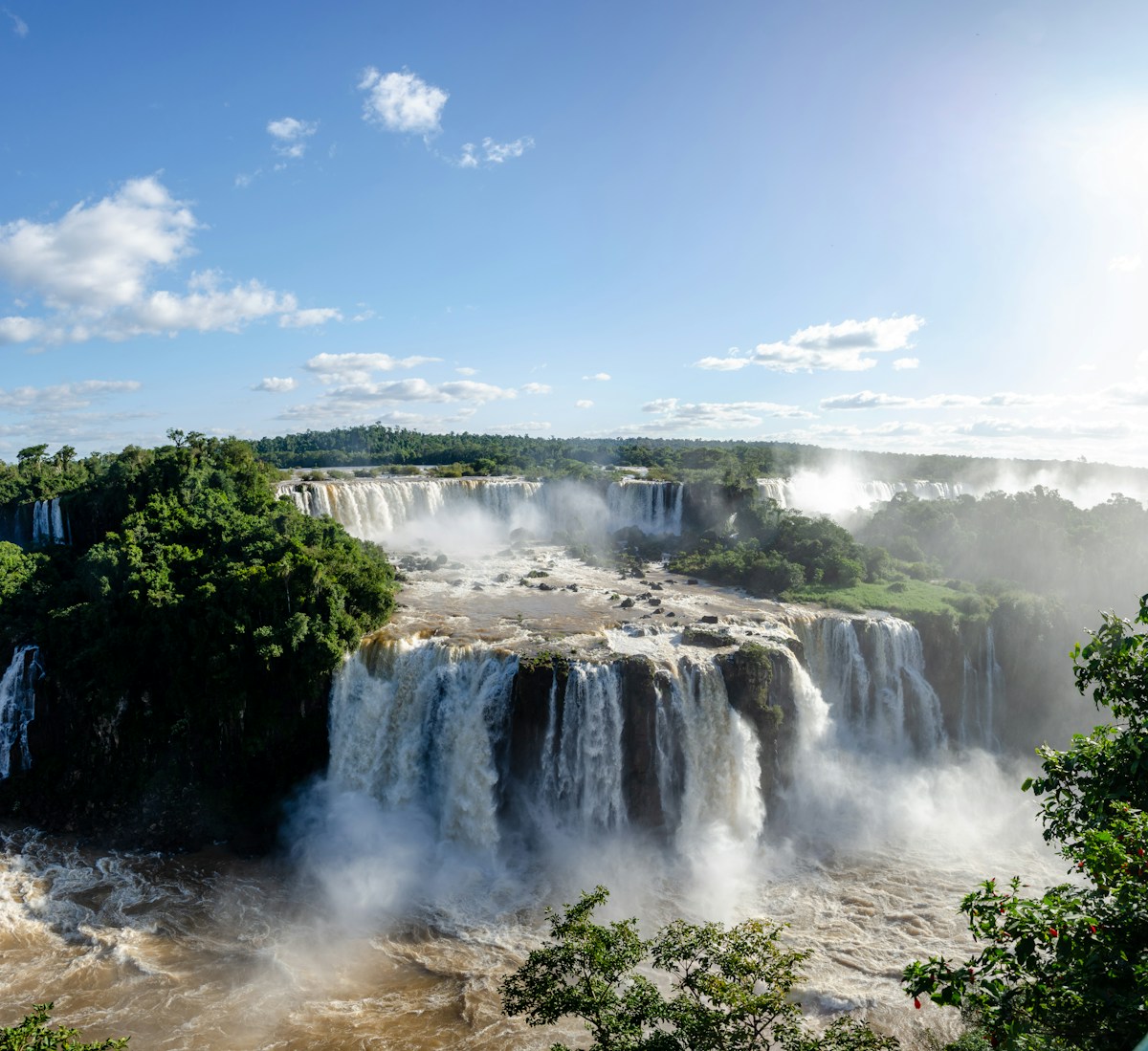
275 waterfalls across 2.7 km on the Argentina-Brazil border. The Argentine side has walkways through the spray right to the Garganta del Diablo.
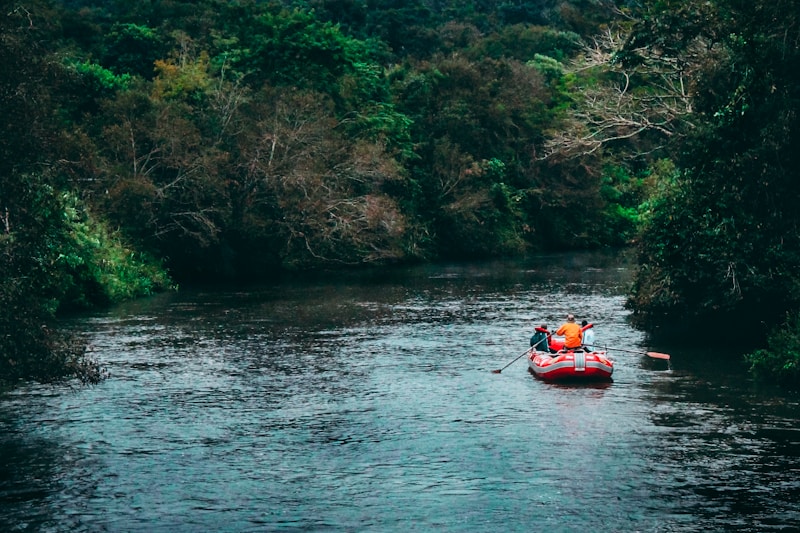
Stop at San Ignacio Miní's UNESCO Jesuit ruins and cruise the Paraná to Paraguay - Posadas earns its place on the Iguazu route.
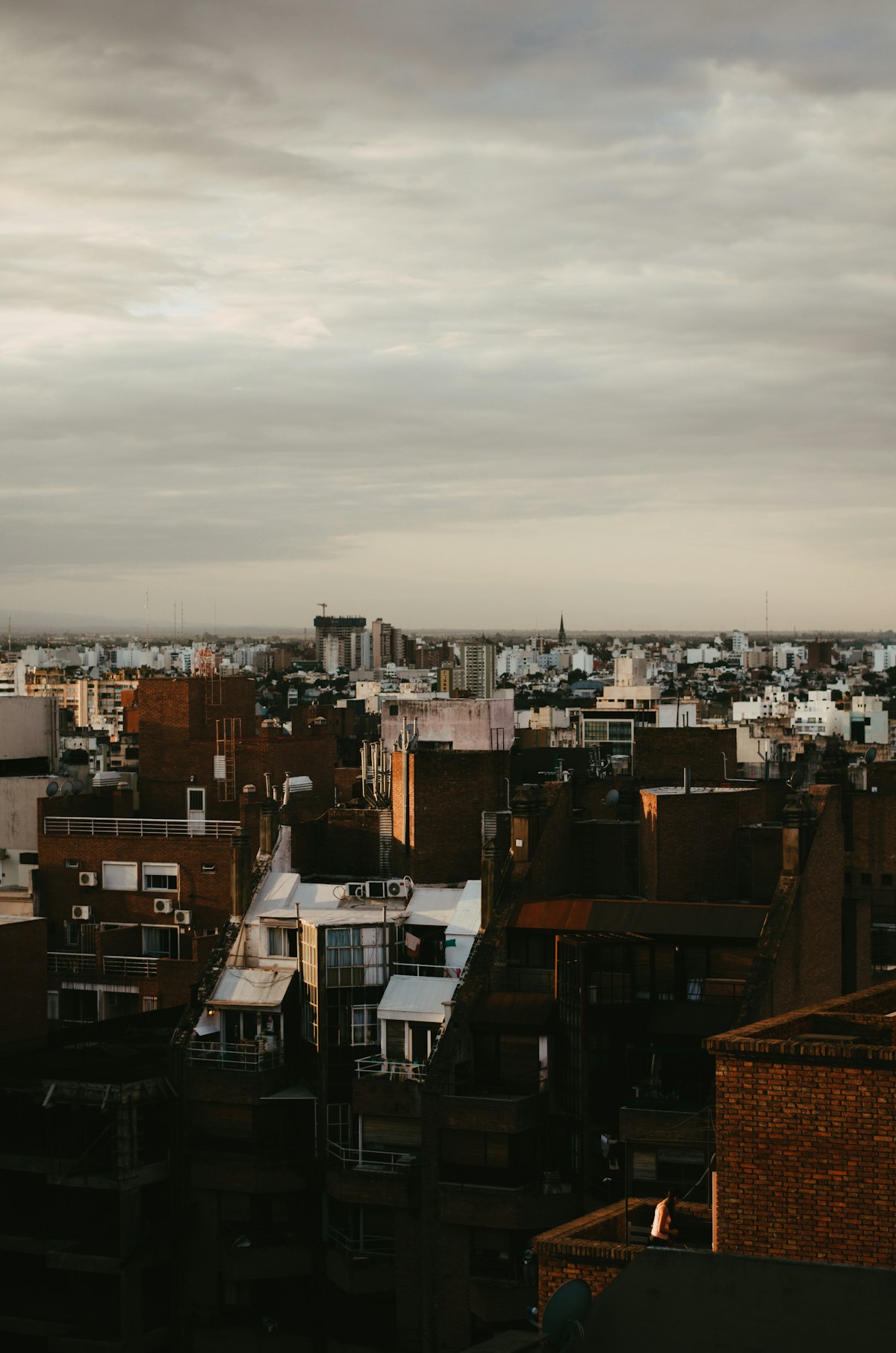
Tour baroque Jesuit churches, bar-hop in the student quarter, and day-trip to the Sierras Grandes - Córdoba, Argentina's second city.
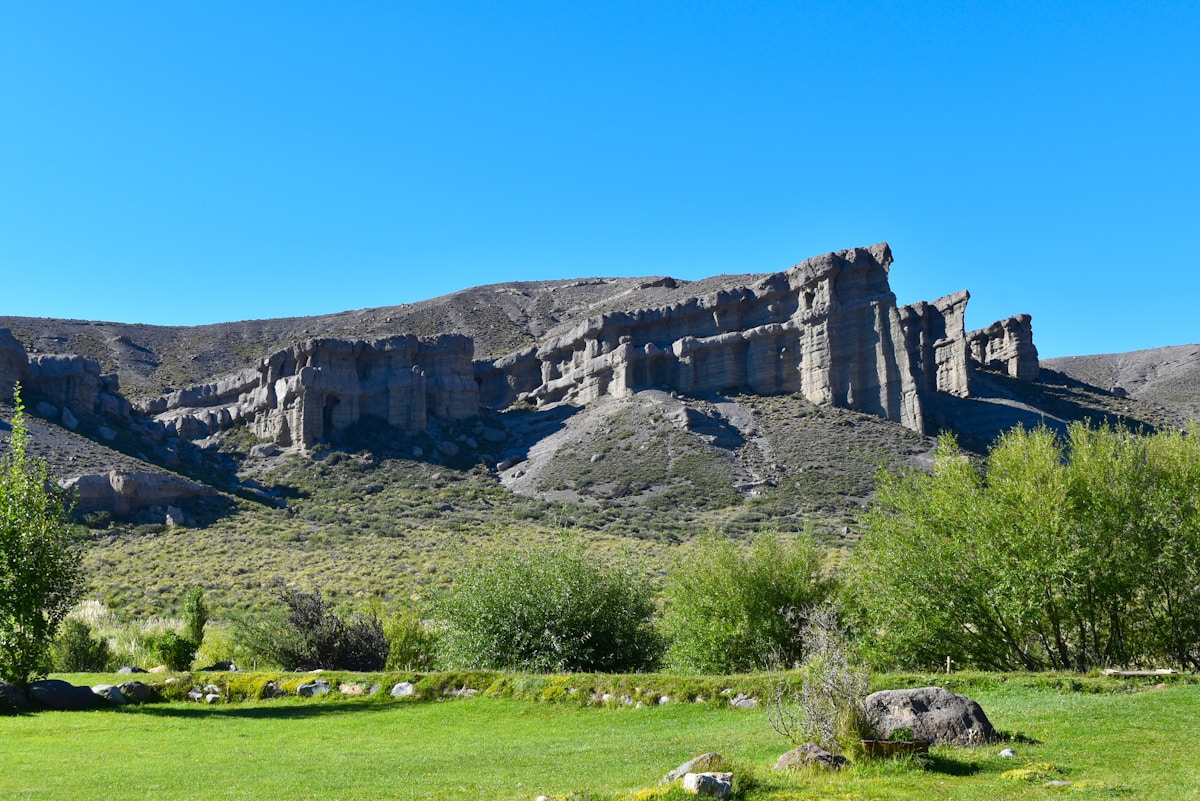
Argentina's biggest Atlantic beach resort - summer surf, fresh seafood at the fishing port, and coastal casinos within 5 hours of Buenos Aires.
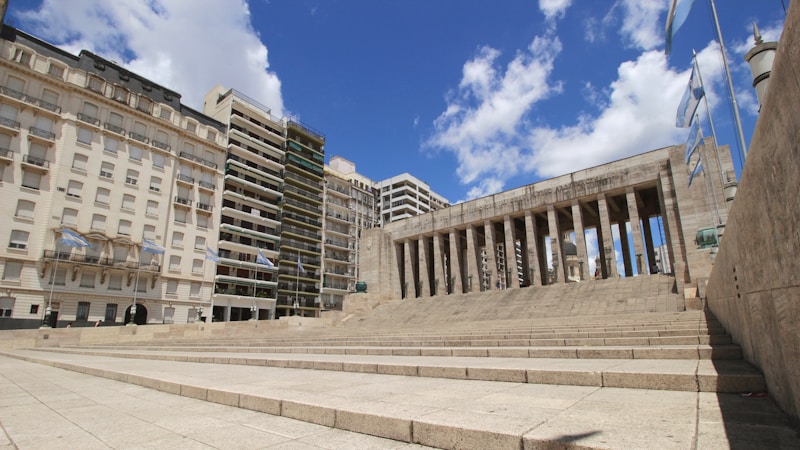
Birthplace of Che Guevara and Lionel Messi, home to Argentina's Flag Memorial and one of the country's best food and arts scenes on the Paraná.
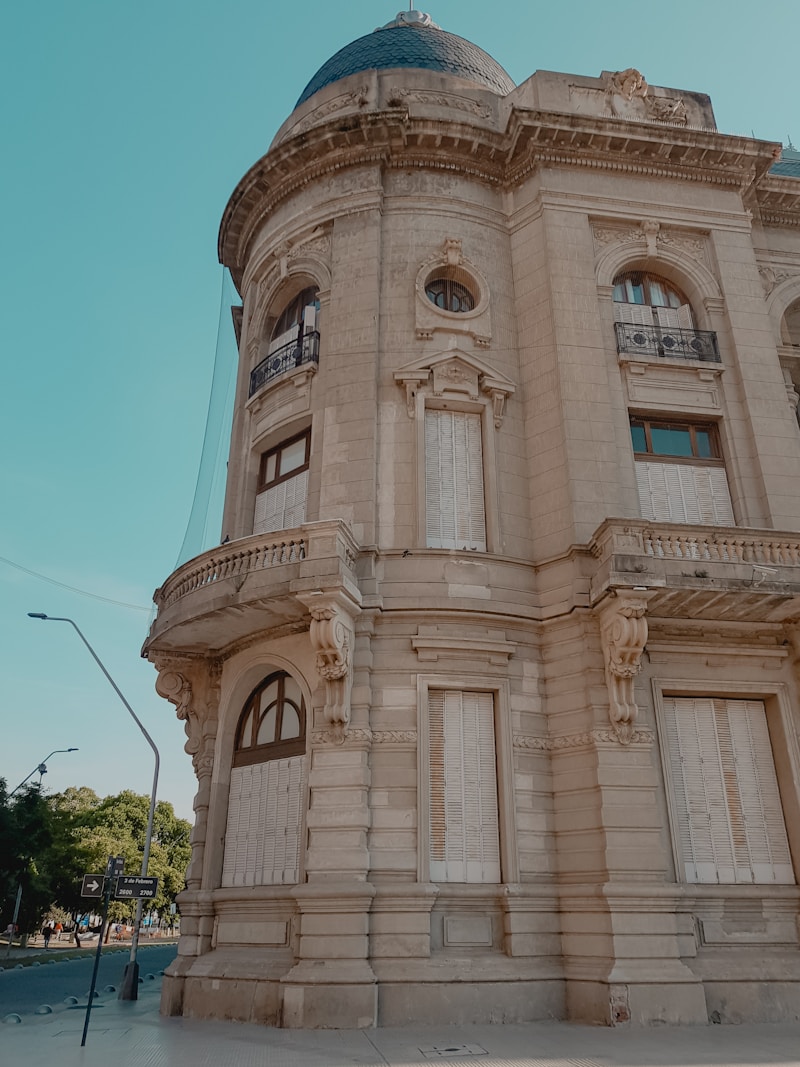
Colonial churches, Paraná delta boat trips, and the hall where Argentina's 1853 constitution was signed - a riverside city worth the detour.
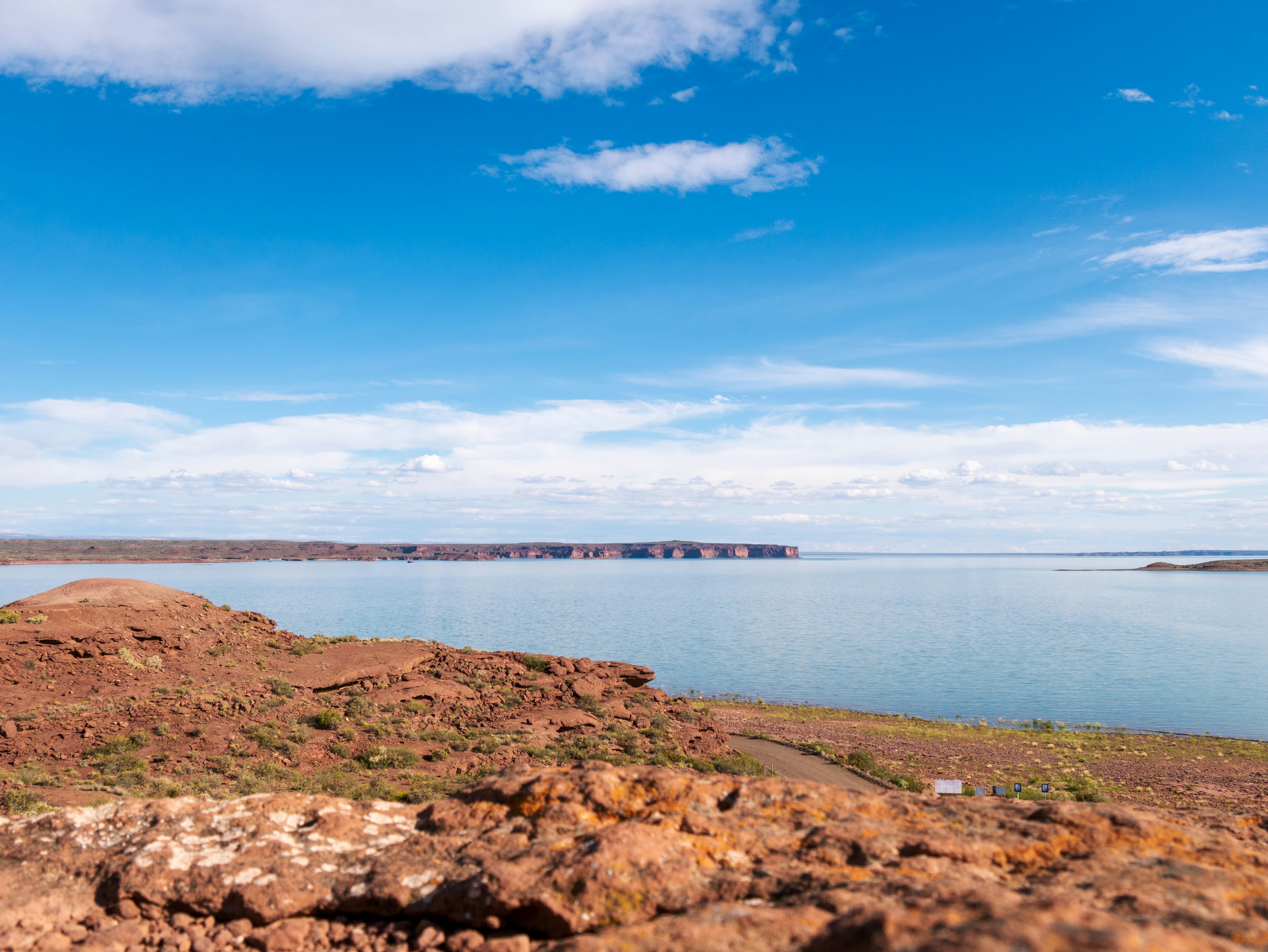
Neuquén is Patagonia's gateway city: base for the world's largest dinosaur fossils, cold-climate Patagonian wine, and the road south to Bariloche.
Ready to book your stay?