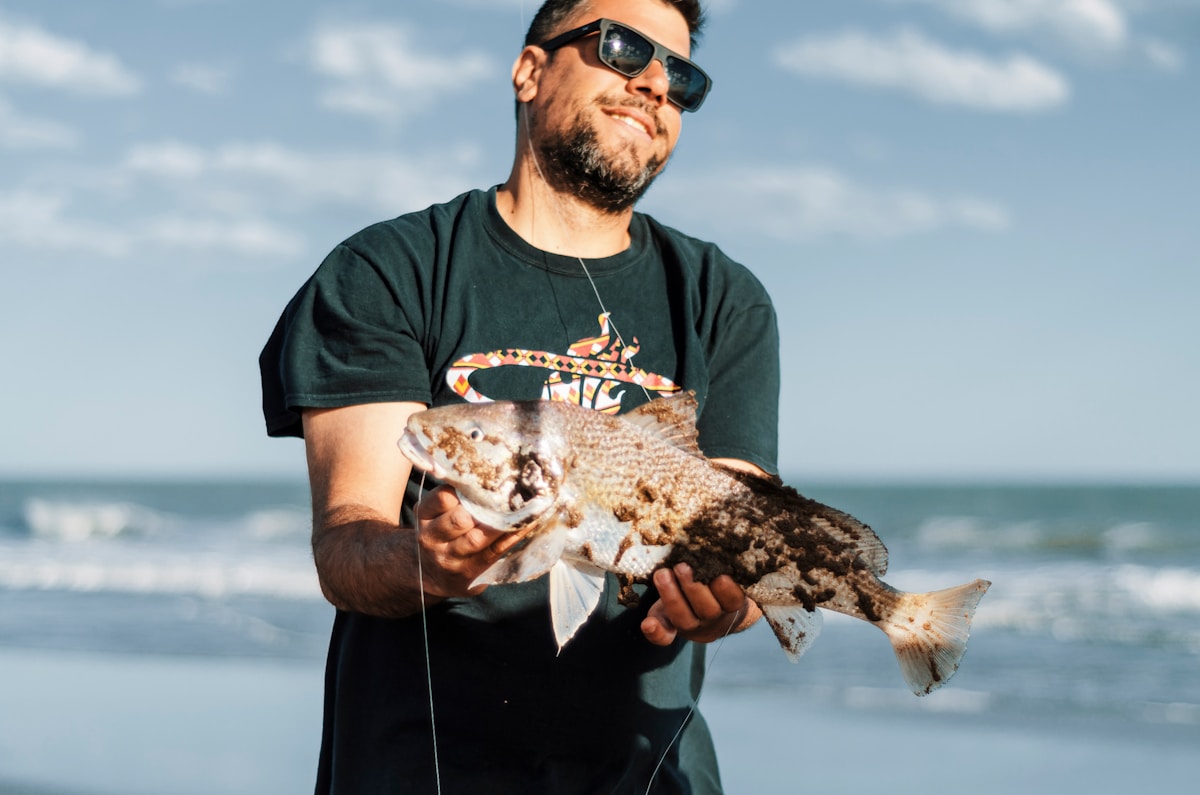
Mar del Plata is Argentina’s largest fishing port, and that fact determines most of what makes the city worth eating in. The fishing fleet lands tonnes of merluza (hake), langostinos (prawns), calamar (squid), and pulpo (octopus) daily - and the seafood restaurants clustered around Puerto Mar del Plata serve it within hours of catch.
This is genuinely different from Argentine food elsewhere in the country, where beef dominates to the near-exclusion of seafood. In Mar del Plata, fish is the default, and the quality, when the boat has been out that morning, is exceptional.
Beyond the port, the city has the full range of Argentine eating - parrillas, pizzas, empanadas, and one product that Mar del Plata can rightly claim as a local original: the Havanna alfajor.
The Port Restaurant Strip
The fishing port is a 20-minute walk or short taxi from the city centre. The main restaurant strip runs along the dock - a line of seafood restaurants that fill rapidly at lunchtimes and on weekend evenings. Eating here has an authenticity that the beachfront restaurants often lack.
El Muelle - The most consistently recommended restaurant on the port strip. The menu covers the full range of Patagonian and Atlantic seafood, with particular strength in caldeiradas (fish stews) and grilled fish. Langostinos al ajillo (prawns in garlic and butter) are a house standby. A full meal for two approximately ARS 80,000–130,000 as of 2026. Reservations recommended in summer.
La Marca - Less polished than El Muelle but good value. Strong on grilled fish and traditional preparations. A useful choice if El Muelle has a wait. Approximately ARS 60,000–100,000 for two as of 2026.
Taberna Baska - Basque-influenced seafood cooking with a strong local following. The pil pil sauce (salt cod in emulsified olive oil) is a nod to the Basque heritage of the restaurant’s founders. Worth seeking out for something beyond the standard Argentine preparations.
What to Order
Merluza (hake): the backbone of the Mar del Plata fishing industry. At its best served simply - grilled with lemon and olive oil, or en salsa verde (in a herb and butter sauce). Don’t overlook it because it sounds unglamorous; fresh merluza from a port restaurant has nothing in common with frozen supermarket fish.
Calamar (squid): either grilled or stuffed. Mar del Plata’s calamares en su tinta (squid in its own ink) is particularly good when well-made - ask whether it’s made from scratch or from a pre-packaged sauce.
Langostinos (prawns): the most versatile item on most port menus. Best al ajillo (garlic and butter) or a la provenzal (with tomatoes and herbs).
Centolla (southern king crab): technically from the far south (Ushuaia and the Beagle Channel), but available at good Mar del Plata seafood restaurants. The claw meat is sweet and dense. Expensive - expect ARS 25,000–50,000 for a portion as of 2026.
Pulpo a la gallega: octopus prepared Galician-style (boiled, then dressed with paprika, olive oil, and salt on a wooden board). A legacy of the Galician immigration to the Argentine port cities.
Alfajores and Sweet Treats
Mar del Plata is the birthplace of the Havanna brand - arguably Argentina’s most famous alfajor producer, now with shops across the country but originating from a small café on the Mar del Plata seafront in 1948. The triple alfajor (three biscuit layers, filled with dulce de leche, dipped in chocolate) is the signature product.
Other local producers worth trying:
- El Rancho - Traditional alfajor maker with several city locations. The cornstarch-base alfajores are considered the classic style.
- Dulcinea - Artisan chocolate and confectionery shop with original Mar del Plata flavours.
Medialunas (Argentine-style croissants, typically sweeter and denser than French croissants) are excellent here too - the city’s confiterías take considerable pride in them.
Asado and Traditional Restaurants
Mar del Plata’s asado is not its headline act, but several solid parrillas exist for beef lovers:
La Estirpe - Well-regarded parrilla in the city centre. Good range of cuts; the bondiola (pork shoulder) is worth ordering alongside beef. Approximately ARS 40,000–70,000 for two as of 2026.
Parrilla del Puerto - Port-adjacent parrilla that serves both meat and fish, useful if your group has divided preferences. Mid-range pricing.
Cafés and Morning Eating
The traditional confiterías near the centre and the rambla serve the full Argentine breakfast repertoire - medialunas, tostados, café con leche. The beach clubs (balnearios) serve simpler breakfasts and are oriented toward convenience rather than quality. For good coffee and pastries, look to the side streets of the centre rather than the seafront strip.
Take a Guided Seafood Tour in Mar del Plata
Mar del Plata’s port is the largest fishing harbour in Argentina, and a guided food tour makes the visit significantly more rewarding than simply arriving at the restaurant strip and picking a menu at random. Port tours here typically start at the fish auction or dockside unloading in the early morning - watching the catch sorted and sold before it reaches any kitchen - then move to a working port restaurant where the chef talks through the day’s fish and how it differs from yesterday’s. A good guide will explain the seasonal calendar (merluza year-round, dorado only in autumn and spring, centolla from the south available fresh but expensive) and steer you past the tourist-trap establishments on the main dock strip to the places that fishermen actually eat. Mar del Plata seafood tours are available from the city centre with morning departures that catch the port at its most active.
For planning your overall stay, see our Mar del Plata things to do guide and accommodation guide. Argentina tours that include the Atlantic coast are a useful option for travellers coming from Buenos Aires without a car. The whale watching tour at Península Valdés is a natural extension if you’re already on the Atlantic coast.
Travel insurance for Argentina covers medical costs and cancellations for the full trip. An eSIM for Argentina is useful for navigating the port area and checking which restaurants are open during your visit.
See also: Mar del Plata travel guide · Argentine food guide · Asado guide · Puerto Madryn travel guide