Food & Drink
Argentine Empanadas: Regional Varieties & Where to Eat Them
Argentine empanadas vary by region - how fillings, pastry, and preparation differ across the country, and where to eat the best versions.
Argentine Cuisine
Argentine food is built around beef, fire, and time. The asado (the practice of grilling meat over wood or charcoal) is less a meal than a social institution, present at every family gathering and central to Argentine identity. But reducing Argentine cuisine to steak misses a lot. The northwest has its own distinct food culture shaped by indigenous Andean ingredients: corn, potato, squash, and slow-cooked stews. The Italian-descended population of Buenos Aires and the Pampas brought pasta, milanesa, and a genuine pastry culture. The wine regions of Mendoza and Salta produce two of South America's most respected wine styles.
Eating well in Argentina requires some navigation of the economics. Prices in USD cash or via the parallel exchange rate make restaurants excellent value; paying by international card often means paying two to three times more. Most cities have a rich café culture: medialunas, facturas, and café con leche are morning staples from Buenos Aires to Bariloche.
Each city guide includes a dedicated food page covering must-eat dishes, local specialities, and where to eat them.
Eight dishes that represent the depth and regional variety of Argentine cuisine, from the Andean northwest to the Pampas and Patagonia.
Argentina's defining culinary tradition: beef (and sometimes lamb, pork, or offal) grilled over wood or charcoal. The asado is as much a social ritual as a meal. Cuts you'll encounter include vacío (flank), tira de asado (short ribs), and entraña (skirt steak). A skilled parrillero controls the fire, not the clock.
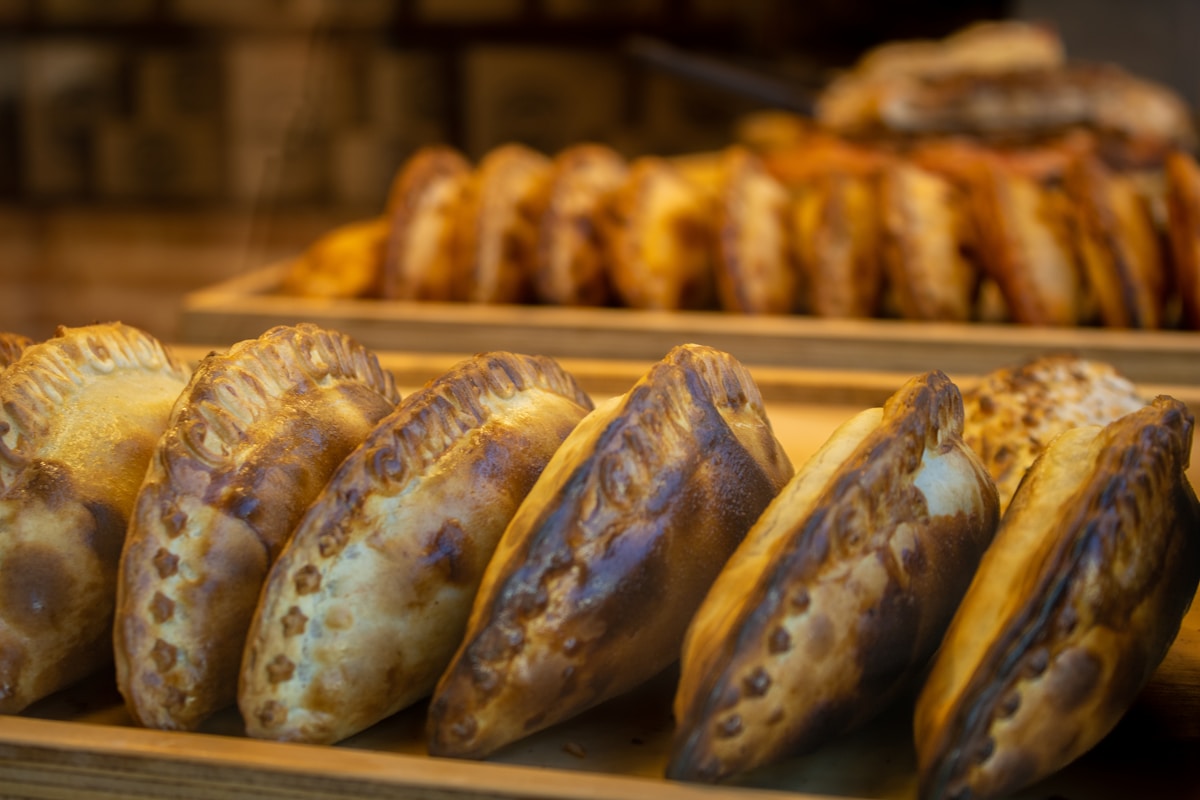
Baked or fried pastry pockets filled with beef, chicken, ham and cheese, or corn. Every province has its own variation: Salta's are small and spiced, Tucumán's are slightly sweet, Mendoza's tend to be larger. Street food, bakery staple, and home cooking in equal measure.
Breaded and fried beef or chicken schnitzel, one of the most common everyday dishes in Argentine cooking. Served plain, with a fried egg on top (a caballo), or in a sandwich (milanesa napolitana has tomato and melted cheese). Found everywhere from family restaurants to petrol stations.
A thick, slow-cooked stew of white corn, beans, squash, and various cuts of pork and beef. A staple of the northwest (particularly Salta, Jujuy, and Tucumán) and eaten nationwide on 25 May (Independence Day). Warming, filling, and the kind of dish that improves after reheating.
Provolone cheese placed directly on the grill until the outside chars and the interior melts. Drizzled with olive oil and dried oregano. Served as a starter before the main asado cuts arrive. Simple and very good.
A thick, caramel-like spread made from slowly heated sweetened milk. Used as a filling for alfajores (sandwich cookies), spread on toast, layered into facturas (pastries), and folded into ice cream. Argentines consume it in quantities that would surprise most visitors.
Two shortbread cookies sandwiched with dulce de leche, often coated in chocolate or powdered sugar. Every province and every bakery has its own version. Havanna (from Mar del Plata) is the most famous national brand; local artisan versions in Córdoba and Mendoza are worth seeking out.
The Argentine croissant: smaller, sweeter, and glossed with a light sugar syrup compared to the French original. A staple of the morning café con leche routine. Buenos Aires cafes serve them warm from the oven, and the quality gap between a good medialunas and a bad one is significant.
Argentina's most varied food city. Palermo has the concentration of top restaurants; San Telmo has the traditional parillas and Sunday market food stalls. The city also has a serious Italian-descended pastry and pasta tradition, and a café culture that rewards staying for a second coffee.
Food guide to Buenos Aires →Mendoza's food scene is anchored by its wine. The best restaurants here pair Malbec and Torrontés with regional dishes: goat, lamb, and river fish alongside the expected beef. Winery restaurants (most notably at Achaval Ferrer, Zuccardi, and Domaine Bousquet) are destinations in their own right.
Wine and food guide to Mendoza →The northwest has the most distinct regional cuisine in Argentina. Salta is the best base for trying locro, tamales, humitas, and the small, spiced empanadas that differ markedly from the Buenos Aires version. The Mercado Central has the most reliable traditional food stalls.
Food guide to Salta →In-depth guides to the cuisine, restaurants, and street food scene.
Argentine empanadas vary by region - how fillings, pastry, and preparation differ across the country, and where to eat the best versions.
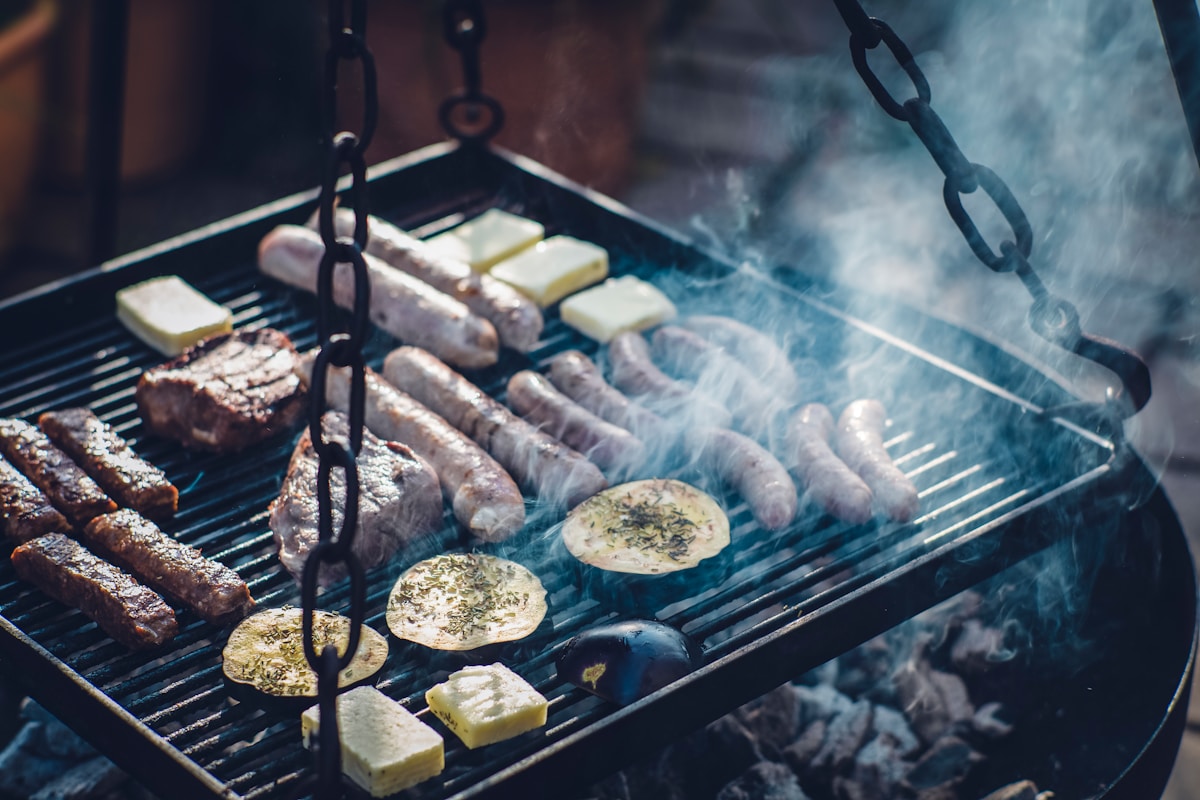
A complete guide to Argentine asado - the cuts, the fire, the social ritual, and how to eat it as a visitor or host one yourself.
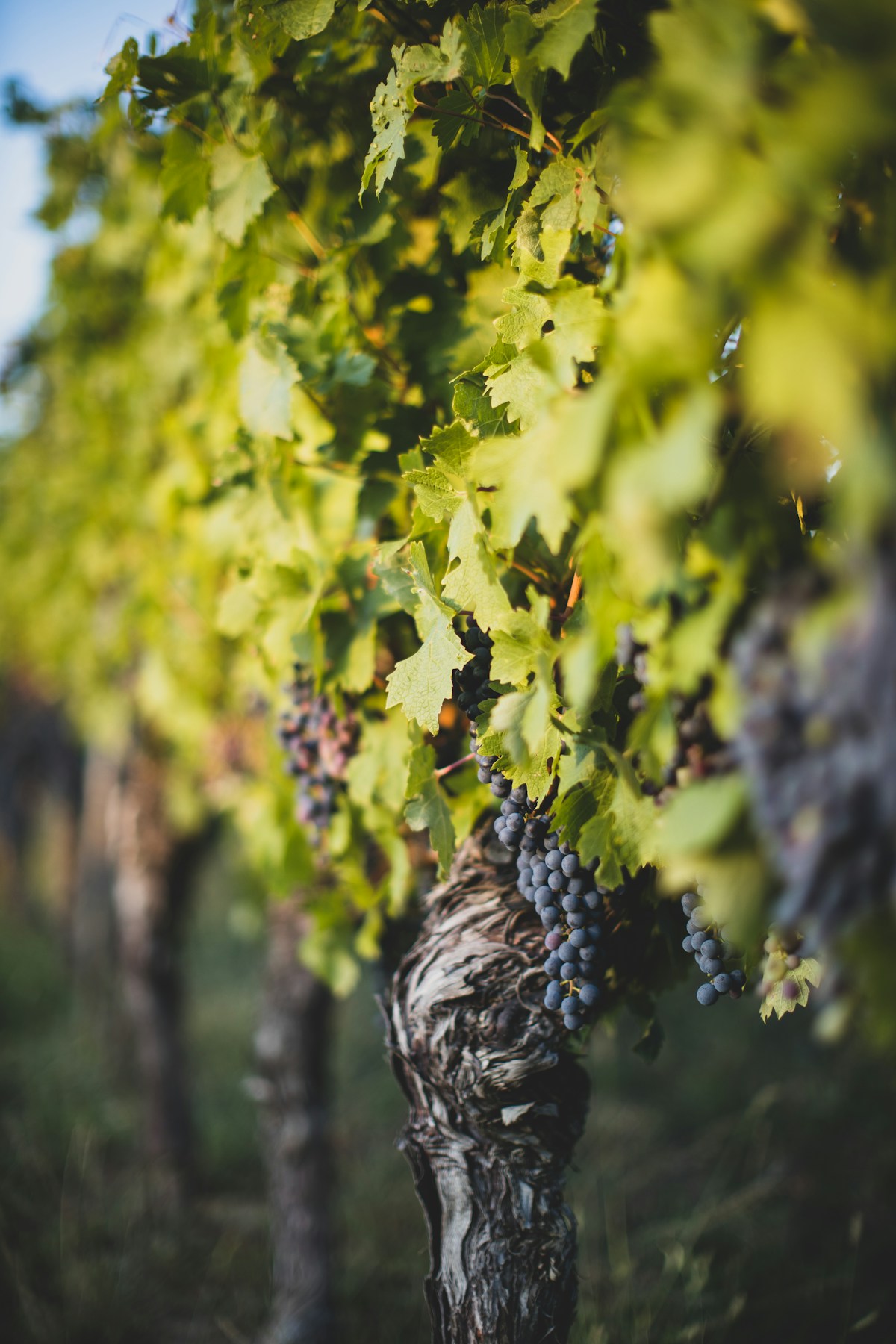
Irrigation, French immigrants, and Andean altitude shaped Mendoza into a world-class wine region. The history behind Argentina's Malbec story.
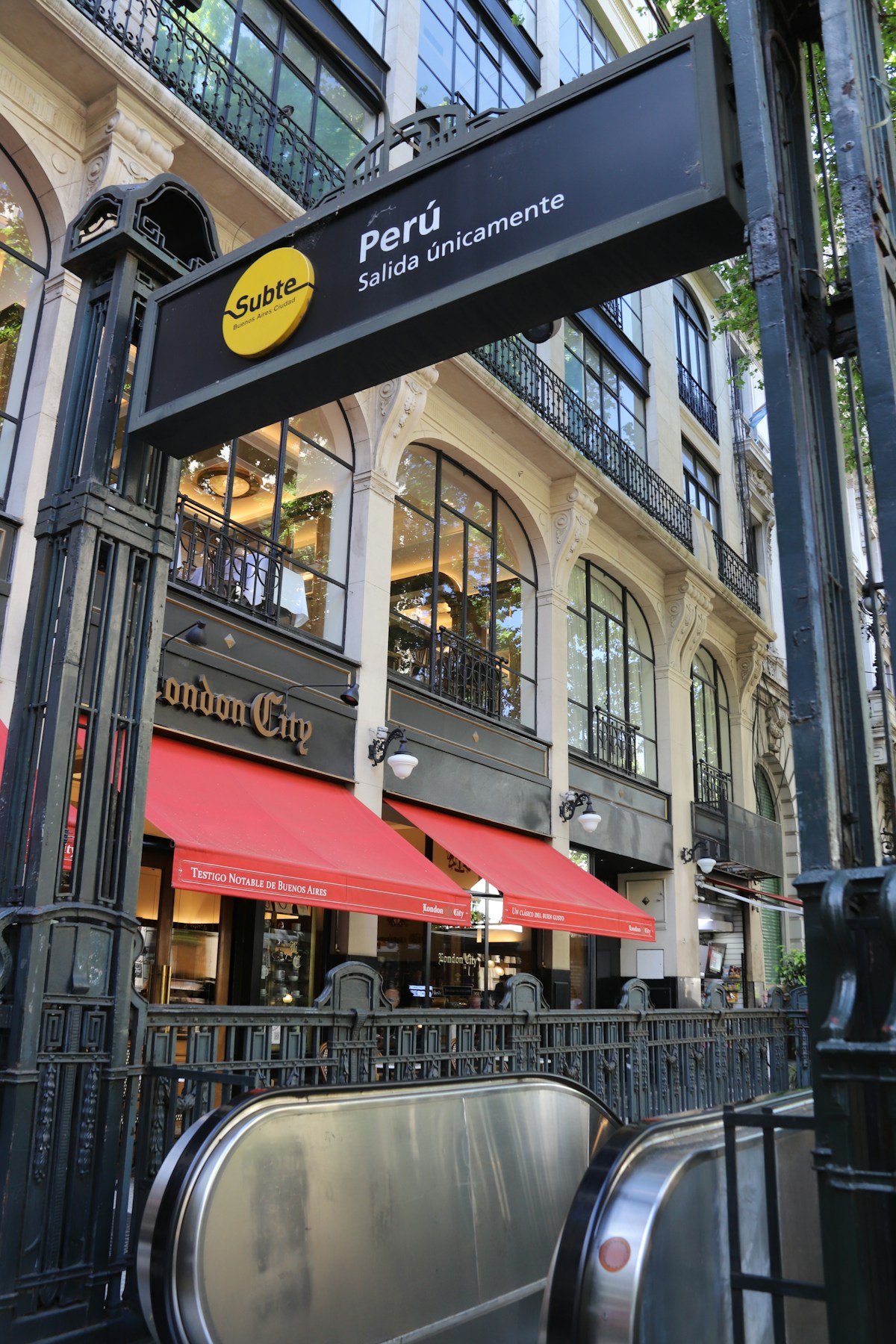
Italian immigration, Spanish traditions, and the gaucho asado forged Buenos Aires' unique food culture. A guide to the city's culinary history.
Argentine food guide: asado, empanadas, dulce de leche, Mendoza wine pairings, and where to eat the best of each region across the country.
Book an experience
Asado classes, wine tastings, and market tours. Book directly with local operators.
Explore Argentina with a local guide