Ushuaia sits at the southern tip of Tierra del Fuego, and its food reflects that geography directly. The Beagle Channel and surrounding sub-Antarctic waters produce some of Argentina’s finest seafood. The Patagonian steppe behind the city supplies lamb and game. Local microbreweries have developed a craft beer culture that punches well above the city’s small size.
Prices here are noticeably higher than in Buenos Aires or Mendoza - Ushuaia’s remoteness means transport costs feed into everything from groceries to restaurant menus. The flip side is that the seafood is exceptionally fresh.
What to Eat in Ushuaia
Centolla (King Crab)
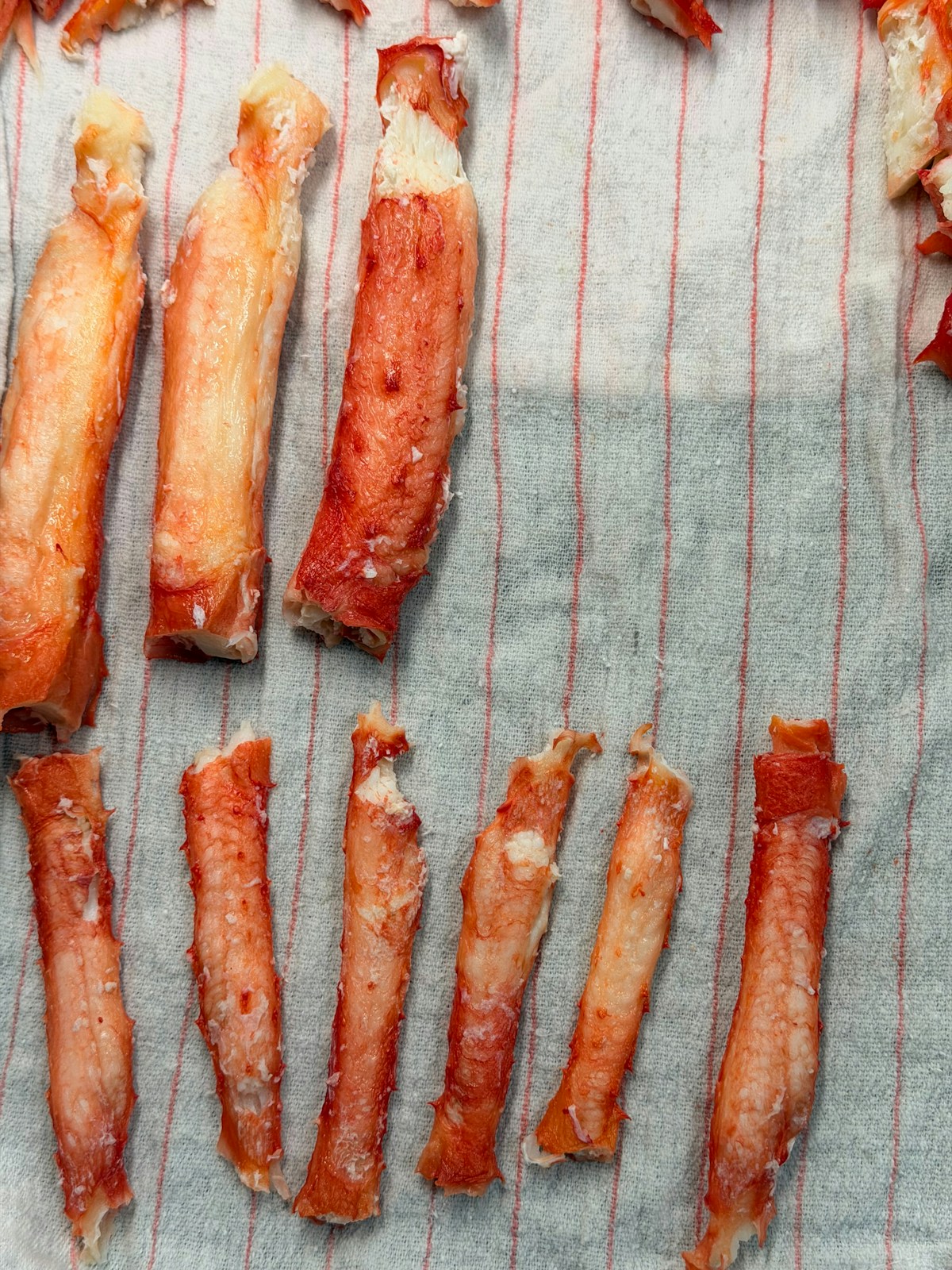
King crab - centolla in Spanish - is the signature ingredient of Tierra del Fuego and the one dish most visitors come specifically to try. The Beagle Channel and Magellan Strait support the world’s southernmost commercially fished king crab population, and Ushuaia is where it lands.
Centolla is typically served simply: steamed or grilled legs with butter and lemon, allowing the natural sweetness of the meat to come through. A full centolla (half or whole crab) from approximately ARS 15,000–25,000 as of 2026 depending on size and restaurant. Centolla bisque (a rich cream soup) is a more affordable way to experience the flavour, from approximately ARS 4,000–7,000 as of 2026.
Note: centolla fishing has a regulated season running roughly May through August. Outside these months, restaurants may use centolla from frozen stock - worth asking about if freshness matters to you.
Cordero Patagónico (Patagonian Lamb)
Patagonian lamb is raised on the wind-scoured steppe and has a distinct, slightly gamey flavour compared to farmed lamb from temperate climates. It’s typically slow-roasted on a vertical asador cross (a la cruz) over wood embers for four to five hours, producing tender, fall-off-the-bone meat.
Main courses of Patagonian lamb at sit-down restaurants run approximately ARS 8,000–15,000 as of 2026.
Trucha (Rainbow Trout)
Ushuaia’s rivers and Lake Fagnano produce high-quality rainbow trout, which appears on most menus grilled, smoked, or in a creamy sauce. It’s more affordable than centolla and consistently good. Main courses from approximately ARS 5,000–9,000 as of 2026.
Craft Beer
Ushuaia has a disproportionately large craft beer culture for a city of roughly 80,000 people. Several local breweries produce ales, stouts, and lagers that use the region’s clean water and, in some cases, local botanicals.
Cerveza Beagle is the best-known local brand, available at most restaurants and in supermarkets. Their Fuegina lager and Negra stout are the most common options.
Cape Horn Brewing Company (a smaller local producer) makes seasonal and experimental batches - worth asking at bars whether it’s available.
Craft beer at bars runs approximately ARS 1,800–3,500 per pint as of 2026.
Named Restaurants
Chez Manu
Chez Manu (Luis Fernando Martial 2135, Las Hayas area) is considered one of Ushuaia’s best fine-dining options, operating from a chalet-style setting with views across the Beagle Channel. The menu focuses on Fuegian seafood and Patagonian lamb. Main courses from approximately ARS 10,000–18,000 as of 2026. Reservations strongly recommended, especially in the December–February peak season.
Kaupé
Kaupé (Roca 470) is a long-established Ushuaia favourite, run by chef Ernesto Vivian who has cooked here for over 30 years. The menu centres on centolla, Patagonian lamb, and local fish, with an Argentine wine list. Mains approximately ARS 8,000–15,000 as of 2026. The dining room is small and often full - book ahead.
Ramos Generales
Ramos Generales (Maipú 749) occupies a historic general store from the early 20th century and combines a café, restaurant, and shop selling regional products. The food is more casual than Chez Manu or Kaupé - sandwiches, soups, empanadas, and regional preserves - making it good for lunch or a mid-afternoon break. Dishes from approximately ARS 2,500–6,500 as of 2026.
María Lola Resto
María Lola Resto (Deloqui 1048) is a well-regarded mid-range option with a focus on Fuegian specialities at somewhat more accessible prices than the top-end restaurants. Centolla bisque from approximately ARS 5,000, main courses ARS 7,000–12,000 as of 2026. Friendly service and a warm interior make it popular with independent travellers.
El Bambú
El Bambú (San Martín 296) is a casual restaurant and good for those wanting solid food without formality. The menu covers centolla, lamb, and fish alongside more straightforward Argentine options like milanesa and pasta. Main courses approximately ARS 4,000–9,000 as of 2026.
La Rueda
La Rueda (San Martín 193) is one of Ushuaia’s most established parrillas, specialising in grilled meats including the classic Patagonian asado. If you want to try cordero a la cruz without paying fine-dining prices, this is a reliable option. Main courses from approximately ARS 5,000–11,000 as of 2026.
Craft Beer Bars
Cervecería Fueguina (San Martín 880) is Ushuaia’s most dedicated craft beer venue, with a rotating tap list including local and regional Argentine beers. The food menu covers pub-style dishes and empanadas. Pints approximately ARS 2,000–3,500 as of 2026.
Dublin Irish Pub (9 de Julio 168) leans toward a broader beer selection and is a good place for an informal evening drink. Less local in character than Cervecería Fueguina but open later.
Take a Guided Food Tour in Ushuaia
Ushuaia’s food is exceptional precisely because it is so directly tied to its geography - and a local guide can explain that relationship far better than a menu can. Food tours here focus on the Beagle Channel’s centolla fishery (the seasonal dynamics, the harvesting method, why the cold-water fat content makes this crab so sweet), Patagonian lamb from the Fuegian steppe behind the city, and the local craft brewing culture that grew around the town’s clean mountain water. The best guides connect Ushuaia’s food to its history as a penal colony and naval outpost - why certain ingredients are abundant, why others had to be imported, and how the food culture evolved at the end of the world. Ushuaia end-of-the-world tours include food and Beagle Channel experiences bookable from the city centre.
Practical Notes
Reservations: Ushuaia’s restaurant scene is genuinely small for the volume of visitors, particularly December through February. Book ahead for Chez Manu, Kaupé, and María Lola.
Lunch vs dinner: Several of the better restaurants are only open for lunch or shift their best dishes to the lunchtime menu. Check opening hours - a few close between services or are lunch-only.
Budget eating: The main pedestrian street (San Martín) has several cafés and empanada shops that work for quick meals. Supermarkets carry regional products including smoked trout, jams, and packaged empanadas to take home as provisions.
Wine with seafood: The local convention is to pair Fuegian seafood with a Torrontés from Cafayate or a Patagonian Pinot Noir from Río Negro - both complement the delicate flavours of centolla and trout better than a full-bodied Malbec. If you are planning your time in Ushuaia around more than just dining, end of the world tours covers the main activity options - Beagle Channel boat trips, Tierra del Fuego National Park, and penguin colony visits.
Travel essentials: Travel insurance for Argentina is particularly worth having in Ushuaia — remote location, weather disruptions, and the cost of medical care at the end of the world make coverage sensible. An eSIM for Argentina keeps you connected; signal in Ushuaia town is good, though it drops quickly on national park trails.
See also: Ushuaia travel guide · Things to do in Ushuaia · Where to stay in Ushuaia · Argentine food guide · Vegan Argentina guide