
Digital Nomad
Working Remotely from Córdoba, Argentina
Apartments from $350/month, 30-80 Mbps WiFi, and living costs 25-40% below Buenos Aires - a remote work guide to Córdoba, Argentina.
Remote Work
Buenos Aires is one of Latin America's most developed digital nomad cities. The infrastructure is strong, fibre internet is widely available, coworking spaces are well-established across Palermo and Villa Crespo, and the café culture means working from a table with reliable Wi-Fi is a realistic option. The cost of living, when paying at the parallel (blue) exchange rate, is significantly lower than comparable cities in Europe or North America.
The main practical consideration is Argentina's currency situation. The official and parallel exchange rates diverge significantly: understanding how to exchange money legally and safely is the most important thing any nomad needs to know before arriving. The time zone (UTC-3) overlaps well with US Eastern and European afternoon hours. Argentina does not issue a dedicated digital nomad visa, but most Western nationalities receive 90-day tourist entry on arrival, extendable by crossing into Uruguay or Chile.
Our Argentina guide covers coworking spots, café recommendations, internet speeds, and monthly cost breakdowns for the key nomad cities.
Rough monthly budgets for a digital nomad: mid-range apartment, coworking or café Wi-Fi, eating out 4–5 times per week. Figures in USD at the parallel exchange rate.
| City | Monthly Budget |
|---|---|
| Buenos Aires | $800–1,800 |
| Mendoza | $600–1,100 |
| Córdoba | $500–900 |
| Bariloche | $700–1,300 |
| Rosario | $450–850 |
Budget estimates based on 2026 conditions at the parallel exchange rate. Argentina's exchange rate is volatile; verify current rates and blue rate at Dolarito or ambito.com before planning.
Most Western nationalities (EU, US, UK, Canada, Australia) receive 90 days on arrival without a visa. No pre-application required. Argentina does not issue a dedicated digital nomad visa: staying beyond 90 days means crossing into Uruguay or Chile to reset. The border run to Colonia or Montevideo (Uruguay) is the standard option from Buenos Aires.
Claro and Personal have the best nationwide coverage. Movistar is the third main provider. Buy at any carrier shop or airport kiosk with your passport. Prepaid plans with 10–30GB data run ARS 5,000–12,000 per month (roughly $5–12 USD at parallel rate). eSIM options via Airalo or Holafly work well and avoid the queues.
Fibre internet in Buenos Aires apartments typically runs 100–300 Mbps. Coworking is well-developed in Palermo and Villa Crespo: spaces include AreatreBA, Urban Station, and Regus. Day passes run roughly $10–20 USD; monthly hot-desk memberships $80–150 USD. Café Wi-Fi is generally reliable in Buenos Aires, Mendoza, and Córdoba.
Argentina's official exchange rate and parallel (blue) rate differ significantly. Paying at the parallel rate: via cash USD exchanged legally at financial houses (casas de cambio) or via certain payment apps: gives considerably better value. Withdrawing ARS from ATMs at the official rate is expensive. Research current rates at ambito.com or Dolarito before arriving and budget accordingly.
In-depth guides to remote working, coworking spaces, and the digital nomad lifestyle.
Apartments from $350/month, 30-80 Mbps WiFi, and living costs 25-40% below Buenos Aires - a remote work guide to Córdoba, Argentina.
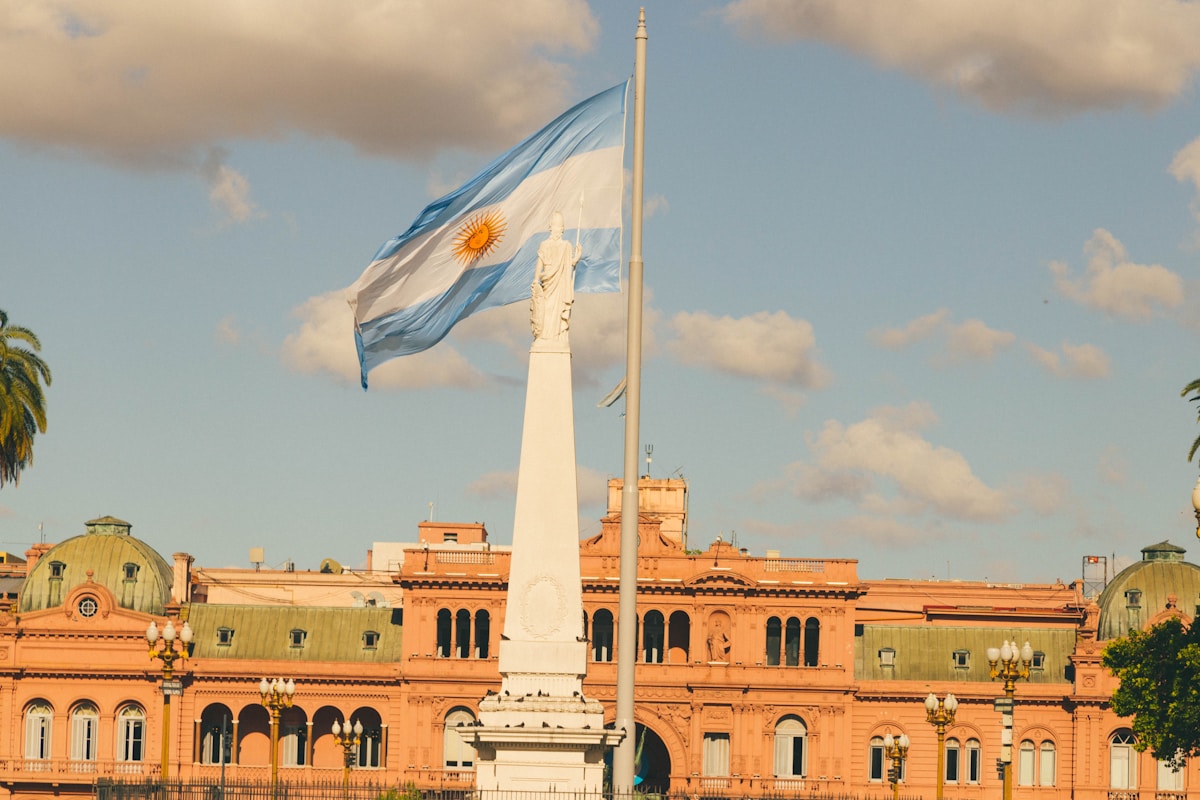
Argentina allows 90-day tourist entry for most nationalities - no visa needed. Covers Decreto 522/2020, border runs to Uruguay, and tax obligations.

Rent furnished in Mendoza for USD 400-700/month - work from cafes on Aristides Villanueva with fast WiFi and direct Andes wine country access.

Cowork at AreatreBA in Palermo from $50/month. Buenos Aires remote work guide: best areas, coworking costs, apartment WiFi, and exchange rate tips.

Cowork at AreatreBA Palermo from $50/month, apartments at 50 to 300 Mbps - full Argentina digital nomad guide: cities, visa reality, and exchange rates.
Book an experience
Day trips, city tours, and weekend adventures, with free cancellation on most.
Explore Argentina with a local guide