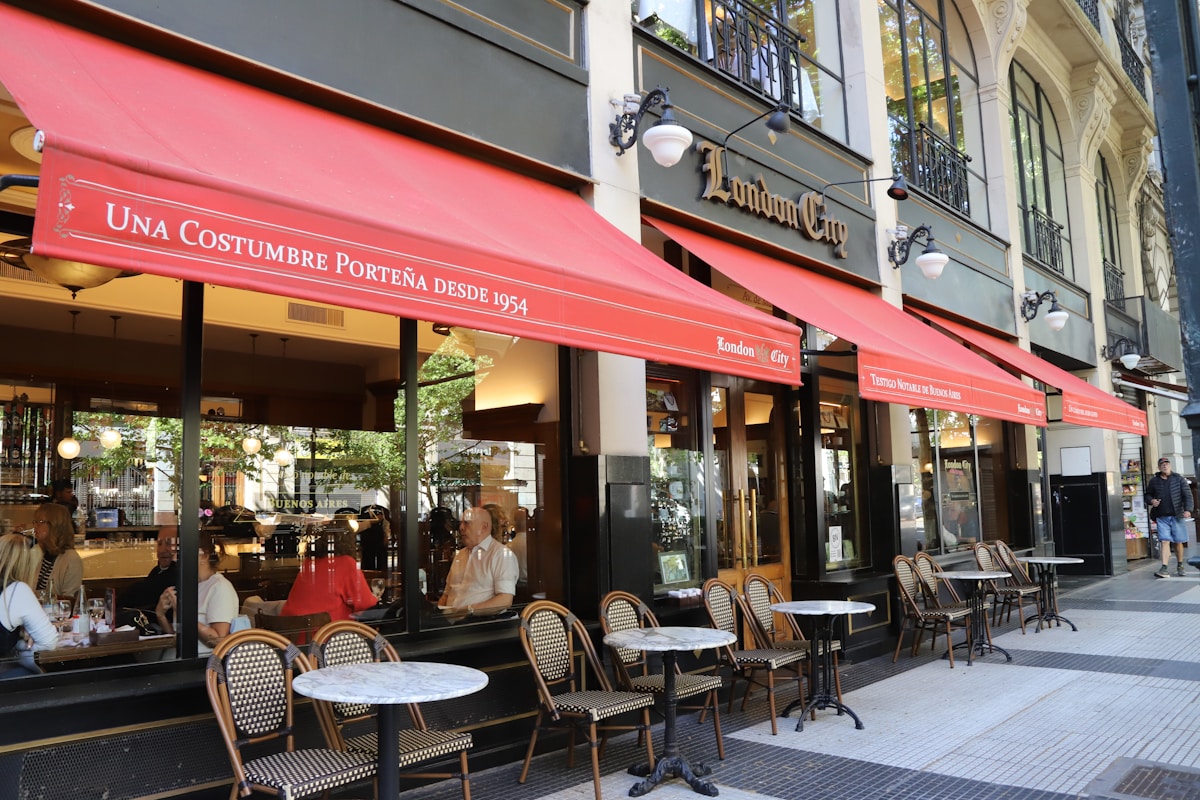
Buenos Aires is one of Latin America’s most established remote work destinations. The combination of fast urban internet, a genuine café culture where occupying a table for three hours with a laptop is normal, and an unusually favourable exchange rate for foreign currency earners makes it a practical and enjoyable place to work.
Palermo: The Main Nomad Hub
Palermo - specifically the Soho and Hollywood sub-areas - is where the highest concentration of coworking spaces and WiFi cafés sits. The barrio is walkable, has good Subte (metro) connections on Line D, and offers a range of accommodation options from short-term rental apartments to hostels.
Notable coworking spaces in Palermo include:
AreatreBA - One of the longer-established independent coworking spaces in the city, with multiple locations. Membership options range from hot desks to fixed desks and private offices. The Palermo location on Thames Street is popular with local freelancers and international nomads alike.
WeWork Argentina - WeWork operates in Buenos Aires and offers the same flexible membership structure as elsewhere globally. Useful if you already have a WeWork All Access membership.
La Maquinista - A smaller, community-focused space with a more local professional membership compared to the larger chains.
Beyond dedicated coworking, Palermo has dozens of cafés where extended working is practical. Look for places with visible power sockets, ask for the WiFi password when ordering, and expect to buy a coffee or two every couple of hours - this is the unwritten rule.
Villa Crespo and Chacarita
These barrios, immediately west of Palermo, have emerged as lower-cost alternatives that retain the café culture and residential character. Rents for furnished apartments run lower than Palermo, and several independent coworking spaces have opened in recent years. The Subte B line runs through Villa Crespo. This area suits nomads staying for a month or more who want to reduce accommodation costs without sacrificing access to the city.
Internet Reliability
Fibre internet is widely available in Buenos Aires apartments - speeds of 50–200 Mbps are standard in well-maintained buildings. When renting short-term through Airbnb or similar platforms, check reviews specifically for WiFi reliability before booking. Older buildings occasionally have slower connections.
Coworking spaces universally offer reliable connections with backup. Café WiFi is generally adequate for email and calls but can slow down during peak hours.
Mobile data is a useful backup. Argentine carriers (Movistar, Personal, Claro) offer prepaid plans with workable 4G LTE coverage across Buenos Aires. Speeds are not as fast as fibre but sufficient for most tasks. An Argentina travel eSIM is a practical alternative if you want data active before you leave home - skip the airport queue on arrival.
The Exchange Rate Advantage
The practical cost of working from Buenos Aires depends significantly on how you access Argentine pesos. The gap between the official exchange rate and the informal (blue dollar) rate has historically made Buenos Aires considerably cheaper than its infrastructure quality would suggest.
Authorised casas de cambio in areas like Florida Street in the city centre or Palermo operate legally and offer rates closer to the informal rate. Bring USD cash from home for the best rates. Using your debit card at ATMs gives the official rate plus fees - significantly less favourable.
At favourable rates: a furnished one-bedroom apartment in Palermo runs around $700–1,000 USD/month, a coworking hot desk $50–100/month, and daily food costs for eating at local restaurants are low by international standards.
Getting Around
The Subte (metro) covers the main working areas - Lines A, B, D, and H are most relevant for Palermo, the city centre, and San Telmo. Fares are paid with the SUBE card (sold at kiosks; minimum balance load required). Buses (colectivos) cover routes not served by the Subte and run 24 hours. Uber and local ride-share apps operate in Buenos Aires and are reliable for late evenings or carrying equipment.
Social Scene for Nomads
Buenos Aires has an active expat and nomad community. For days off the laptop, guided tours in Buenos Aires cover tango classes, food walks, street art tours, and day trips that integrate naturally with a longer stay. Meetups run regularly in Palermo - search Facebook groups and Meetup.com for current events. The city’s restaurant and bar density means social eating is straightforward; restaurants typically don’t fill up until 9pm and dinner runs late, which is worth knowing if you want to join Argentine dining culture rather than eating at European hours.
Safety Basics
Working from Buenos Aires is not high-risk, but standard urban precautions apply. Don’t use your phone at street level in unfamiliar areas; keep bags on your person in cafés; and avoid displaying expensive equipment openly on public transport. Palermo, Recoleta, and San Telmo are the areas where most nomads work and socialise - all are considered safe for day-to-day movement with normal awareness.
See Also: Argentina digital nomad guide · Argentina digital nomad visa · Buenos Aires travel guide · Where to stay in Buenos Aires · Vegan Buenos Aires guide