The food in Tucumán is among the best in northwest Argentina. The city’s size and its position as a regional hub mean it supports a real dining culture - traditional northern dishes alongside contemporary restaurants, markets with excellent street food, and a confitería scene that Porteños would recognise but with a distinctly provincial character.
The most important thing to know: Tucumán does empanadas differently from Buenos Aires, and the difference matters. The Tucumán empanada is smaller, deep-fried, and filled with a spiced beef mixture that includes hardboiled egg and olives. Eating them at a good place in Tucumán is one of the better food experiences in Argentina.
Empanadas Tucumanas
The city’s signature dish. Tucumán empanadas are smaller than the Buenos Aires version, deep-fried rather than baked, and sealed with a distinctive repulgue (folded edge). The filling is typically carne picada (minced beef) seasoned with cumin, paprika, hardboiled egg, and green olives - more complex than the southern versions.
The correct way to eat a Tucumán empanada is standing or sitting at a market stall, fresh from the fryer, in your hands - not on a plate with cutlery. The outer shell should be golden and slightly crunchy; the interior should be moist. A good one costs approximately ARS 1,500–2,500 as of 2026.
Recommended places:
El Portal de la Villa - A long-established empanadería near the centre with consistent quality and a constant queue of locals. Empanadas approximately ARS 1,800–2,400 each as of 2026.
El Farruco - Popular with both locals and visitors, El Farruco serves a range of filling options beyond the classic carne. The fried empanadas here are reliably good.
Market stalls near Mercado del Norte - The covered market on Avenida Mate de Luna has several stalls selling empanadas by the dozen. The atmosphere is authentic and the prices are lower than sit-down restaurants.
Tamales
Tucumán’s tamales are a direct descendant of pre-Hispanic Andean food traditions. A corn-dough masa (made with fat and spiced) is packed around a filling of pork or beef, wrapped in corn husks, and steamed. The result is dense, moist, and deeply savoury. Tamales appear at markets and at traditional restaurants, particularly on weekends.
A tamale in Tucumán costs approximately ARS 1,200–2,000 as of 2026. They are typically eaten hot, still in their husks, unwrapped at the table.
Locro
Locro is Argentina’s winter stew - a thick, smoky combination of white corn, beans, pumpkin, pork, and beef that has been eaten in the northwest for centuries. In Tucumán, locro is served from approximately May through September and is a fixture on the menus of traditional restaurants during the colder months.
A bowl of locro is a complete meal - dense, flavourful, and warming. Expect to pay approximately ARS 8,000–14,000 per serving at a sit-down restaurant as of 2026. The quality varies considerably; the best versions are slow-cooked for hours.
Parrillas and Asado
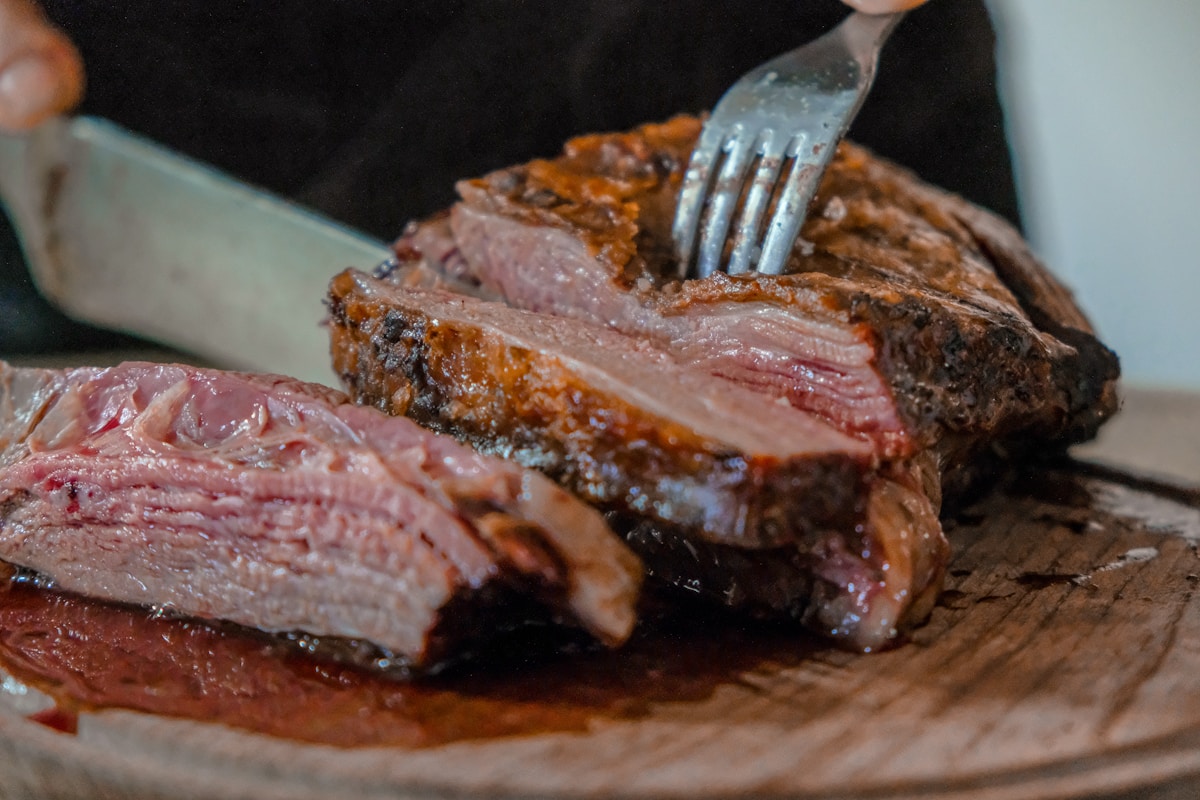
Tucumán’s beef is generally excellent - the province has cattle farming alongside its sugar industry, and the city’s parrillas serve good-quality cuts at prices below Buenos Aires levels.
La Leñita (Centro) - A traditional parrilla with a wood-fired grill and a strong local following. The tira de asado (short ribs) and mollejas (sweetbreads) are both well-executed. A full dinner for two with wine approximately ARS 55,000–85,000 as of 2026.
El Rincón de Morita - A neighbourhood parrilla favoured by Tucumán families at weekends. Less polished than the tourist-facing restaurants but reliably good. Approximately ARS 40,000–65,000 for two as of 2026.
La Siesta - A mid-range parrilla popular for weekday lunches, with good set-menu options. The milanesa napolitana (breaded meat topped with tomato sauce and cheese) is a favourite.
The Sugar Industry and Sweets
Tucumán produces approximately 60% of Argentina’s sugarcane, and this shapes the local sweet food culture. Alfajores made with local sugar, artisan dulce de leche, and sugarcane-derived treats appear at confiterías and market stalls throughout the city. The annual sugar harvest (zafra) runs May–October, and during this season some mills offer visits.
Local alfajores in Tucumán are typically corn-flour based (cornstarch alfajores), smaller and drier than the chocolate-coated Buenos Aires versions - closer to the original. They cost approximately ARS 1,000–1,800 each at confiterías as of 2026.
Cafés and Confiterías
Tucumán has a strong café culture rooted in the confitería tradition - old-style establishments with marble counters, glass pastry cases, and café con leche served in ceramic cups.
Café Victoria (near Plaza Independencia) - One of the most atmospheric spots in the city, in a historic building with original fittings. Good medialunas, decent coffee, and a breakfast that suits a slow morning before the Casa Histórica opens.
La Sidrería - A popular evening spot for locals combining good food with a drinks menu. More relaxed than a formal restaurant.
What to Order in Tucumán
If you only try one thing per category:
- Savoury street food: Empanada tucumana (fried, beef, olive, and egg) at Mercado del Norte
- Main dish: Locro in winter, parrilla in summer
- Market breakfast: Tamales with coffee
- Sweet: Artisan alfajor with dulce de leche
- Drink: Yerba mate (ubiquitous in the northwest); local wine from Cafayate on restaurant lists
Take a Guided Food Tour in Tucumán
Tucumán’s claim to produce Argentina’s best empanadas is genuinely contentious - and a guided food tour is the most entertaining way to investigate it. Tours here focus on the empanada trail: the market stalls around Mercado del Norte, the specialist empanaderías that deep-fry rather than bake, and a tasting comparison of the Tucumán style against Buenos Aires and Salta versions. The best guides explain the cultural specifics - why the repulgue crimp style signals the filling, what makes the Tucumán cumin blend distinct from Salta’s spice profile, and where to find tamales and locro that match the regional tradition. For visitors using Tucumán as a gateway to the northwest circuit, a morning food tour is a very good introduction to Andean Argentine food before moving on to Salta and Jujuy. Tucumán food and culture tours run year-round from the city centre.
For planning your stay, read our things to do in Tucumán and where to stay in Tucumán guides. Argentina tours covering the northwest circuit include Tucumán alongside Salta and Jujuy. For context on Argentine food more broadly, our Argentine food guide covers the national dishes you’ll encounter throughout the country. Travel insurance for Argentina is worth arranging before the northwest circuit. An eSIM for Argentina keeps you connected between Tucumán, Salta, and Jujuy.
See also: Tucumán travel guide · Empanadas guide · Salta food guide · Salta vs Tucumán