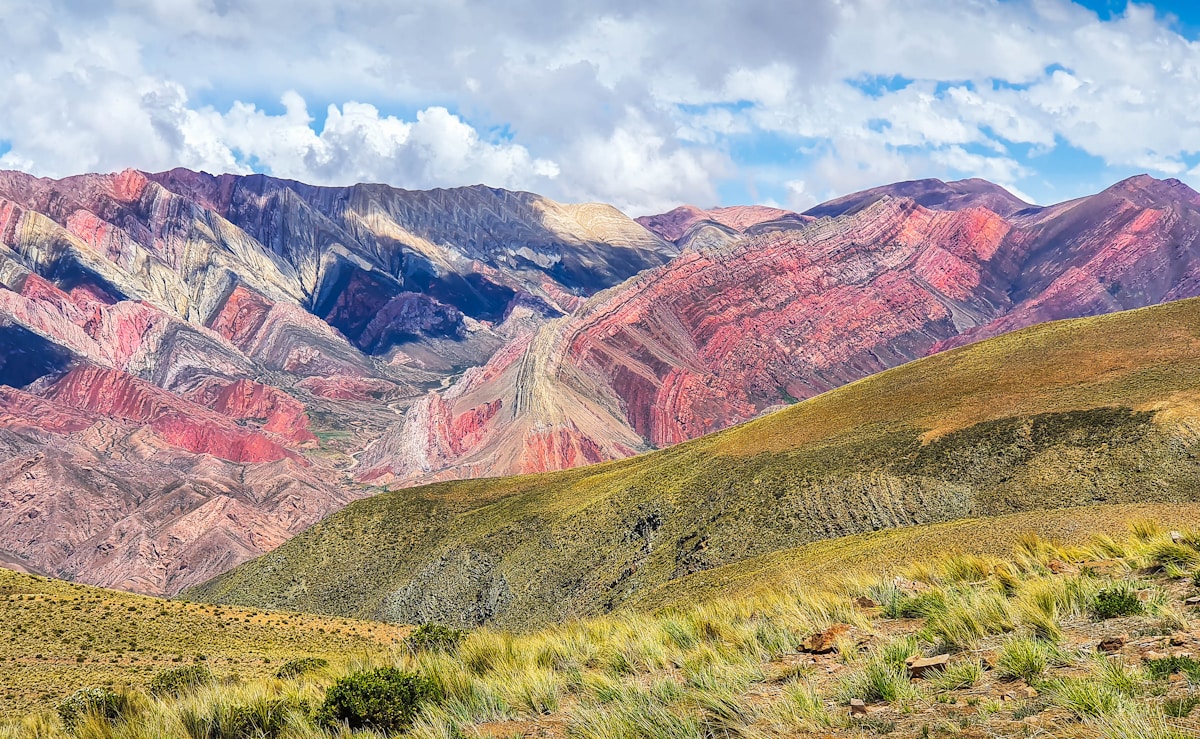
Tucumán Travel Guide: Northwest Argentina
Sign the declaration of independence at the Casa Histórica, eat Tucumán's celebrated empanadas, and day-trip to Tafí del Valle's cloudforests.
Guides for Tucumán
San Miguel de Tucumán - Tucumán for short - is the capital of Tucumán Province and the most populous city in northwest Argentina, with around 600,000 residents in the urban area. It sits at 450 metres on the eastern edge of the Andean foothills, in the transition zone between the dry Andean northwest and the humid subtropical lowlands. The city plays a central role in Argentine national identity: the Congress of Tucumán met here in 1816 and declared independence from Spain, a moment commemorated in the physical fabric of the city’s historic centre.
Casa Histórica de la Independencia
The House of Independence is the single most visited site in Tucumán. The original room where the declaration was signed on 9 July 1816 survives intact - the rest of the building was demolished and reconstructed in 1943. The museum holds period documents, furniture, and portraits of the signatories. A sound-and-light show plays in the internal courtyard on most evenings and provides historical context in a reasonably engaging format. Entry is low cost.
Plaza Independencia and the City Centre
The main plaza is surrounded by the city’s cathedral, government buildings, and a grid of commercial streets. The Catedral Metropolitana, on the north side of the plaza, dates from 1856 and has a Neoclassical facade. The surrounding streets have a concentration of cafes, restaurants, and shops, and the area around Calle 25 de Mayo is particularly active in the evenings. Tucumán has a reputation among Argentines for good food - specifically for the quality of its empanadas, which use a specific seasoning style associated with the northwest. The tucumana empanada is made with hand-cut (not minced) beef, boiled egg, spring onion, cumin, and paprika, with the crimped edge (repulgue) acting as a maker’s signature. The city also has a significant Arab-Argentine community, descendants of Lebanese and Syrian immigrants who arrived in the early 20th century, and Middle Eastern-influenced dishes (kibbe, hummus, stuffed vine leaves) appear regularly on local restaurant menus. Tucumán is also the birthplace of cuarteto, a distinct Argentine music genre with a driving rhythm and brass-heavy sound that remains the soundtrack to the city’s nights - most nightclubs specialise in cuarteto rather than the tango and cumbia found elsewhere.
Tafí del Valle
Tafí del Valle is a mountain village 100 km west of Tucumán city, at 2,000 metres in the Sierra del Aconquija. The road from Tucumán climbs through subtropical cloudforest - the Yungas, one of South America’s most biodiverse forest types - before opening into a wide highland valley of grassland and willows. The village has the Museo Jesuítico, a small archaeological museum focused on the pre-Hispanic Tafí culture, and a field of standing stones (menhires) erected approximately 2,000 years ago and rearranged in a public park in the 1970s; entry to the menhires park costs approximately ARS 2,500. The bus from Tucumán to Tafí takes 2.5 hours and costs approximately ARS 3,500 one-way. For overnight stays, Hostería del Valle offers rooms from approximately USD 40 per night with valley views. Tafí is also the starting point for day hikes into the Reserva Provincia de Infiernillo and for road access to the Quilmes archaeological ruins (150 km further south via Route 307) - the largest pre-Columbian hilltop fortress in Argentina, with an entry fee of approximately ARS 4,000. The cool mountain climate makes January and February the most popular months for Tucumán families escaping the city’s summer heat.
Where to Stay
Hotels in Tucumán concentrate in and around the historic centre, within walking distance of the Casa Histórica and the main plaza. Mid-range options are plentiful; luxury accommodation is limited. The neighbourhood around Avenida Roca and the pedestrianised city centre is the practical base area. Hotel Catalinas Park on Avenida Soldati is the city’s best-regarded upper-end hotel from approximately USD 100 per night with pool and business facilities. Hotel Garden Park, also on Soldati, is a reliable mid-range option from approximately USD 50 per night. Hotel del Sol on Laprida street offers comfortable rooms from approximately USD 30 per night in a convenient central location. The Casa Histórica de la Independencia charges approximately ARS 2,000 entry; the evening sound-and-light show has a separate ticket of approximately ARS 2,500. For dining, El Portal on 24 de Septiembre street is a traditional restaurant known for its empanadas tucumanas — the local style uses hand-cut beef with cumin and paprika — and regional dishes (mains from approximately ARS 5,000–9,000). Patio de Empanadas on Laprida serves what many locals consider the best empanadas in the city (from approximately ARS 500 each). La Sirio Libanesa on Congreso street reflects the Arab-descent community with Middle Eastern-influenced dishes including kibbe and stuffed vine leaves (mains from approximately ARS 4,500–8,000). Prices listed are approximate as of 2026.
Search hotels in Tucumán on Booking.com
Getting There and Around
Tucumán’s Teniente Benjamín Matienzo International Airport (TUC) has multiple daily flights to Buenos Aires (90 minutes) and connections to Córdoba and Salta. Long-distance buses connect to Salta (4 hours), Jujuy (5 hours), Córdoba (7 hours), and Buenos Aires (14 hours). Within the city, taxis and remises are the practical option; the bus network exists but is complex for visitors.
Best Time to Visit
May to October is the most comfortable period - dry, mild winters and warm spring days. November to March is hot and humid in the city, though the mountain areas around Tafí are pleasant in those months. The 9 July national independence day celebrations are centred on Tucumán and bring significant crowds and events to the city. Guided tours in Tucumán cover the Casa Histórica, the city centre, and day trips to Tafí del Valle and Quilmes ruins.
Explore more: Things to do in Tucumán · Where to stay in Tucumán · Food in Tucumán
Compare cities: Salta vs Tucumán
Upcoming Events in Tucumán
Iguazu National Park Anniversary
Iguazu National Park Anniversary 2026, 9 November. Free park entry, cultural events, and environmental programming in Puerto Iguazú.
Cosquín National Folk Festival
Cosquín Folk Festival 2027 runs 22 to 31 January in Córdoba province - ten nights of chacarera, zamba and folk on the Plaza Próspero Molina open-air stage.
Book an experience
Top experiences in Tucumán
Explore the best tours and activities in Tucumán , with instant confirmation and free cancellation on most bookings.
Planning to visit? Browse hotels in Tucumán, free cancellation on most bookings.