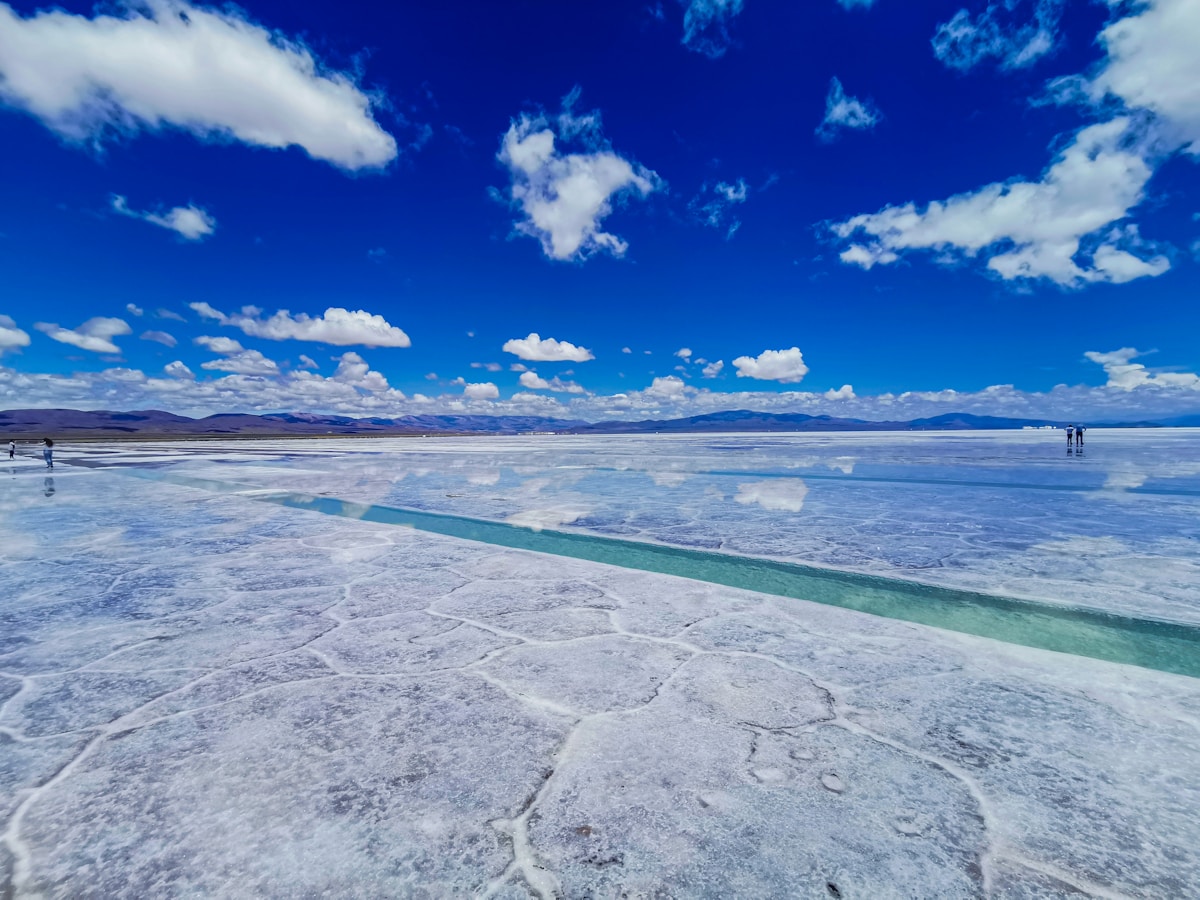
Argentina’s northwest is one of the country’s least-visited and most rewarding regions - Andean highlands, pre-Columbian ruins, colonial cities, and a food culture that differs sharply from the beef-centric south. The two main entry points are Salta and Tucumán, and they serve different purposes. Salta is the tourist hub: polished, well-equipped, and loaded with day trip options. Tucumán is a workhorse city where Argentines go about their lives, with excellent food and a genuine city character that most foreign travellers skip entirely.
Overview
Salta is a colonial city of around 650,000 people sitting at 1,187 metres in a broad valley in the Lerma Valley. Its pink-walled cathedral, arcaded Plaza 9 de Julio, and well-preserved centro histórico make it one of Argentina’s most attractive mid-sized cities. It’s the primary base for exploring the Quebrada de Humahuaca (UNESCO listed), the salt flats of Jujuy province, the Tren a las Nubes mountain railway, and the wine region of Cafayate.
Tucumán is Argentina’s most densely populated province and the city proper holds around 550,000 people. It sits at 450 metres at the foot of the Aconquija mountain range, giving it a subtropical climate that Salta lacks. The city is known as “the garden of the republic” for its lush vegetation. Historically, it’s where Argentine independence was declared in 1816 - the Casa Histórica de la Independencia is the major landmark. Tucumán is also Argentina’s sugar capital and the origin of the empanada tucumana, which many consider the country’s best.
Getting There
From Buenos Aires:
To Salta: Aerolíneas Argentinas, Flybondi, and JetSMART fly direct; flight time approximately 2 hours 15 minutes. Fares from approximately USD 60–150. Buses from Buenos Aires take 20–22 hours overnight.
To Tucumán: Direct flights take approximately 1 hour 50 minutes; fares from approximately USD 50–130. Buses from Buenos Aires take 14–16 hours. The Tucumán to Salta leg (if combining both) is approximately 3 hours 30 minutes by bus or 50 minutes by flight.
Both cities have compact city centres walkable from most hotels. Salta has good local bus coverage; for day trips to Cafayate or Purmamarca, renting a car or booking guided tours from Salta is more practical.
Things to Do
Salta excels as a base for the northwest highlands. The city’s own colonial centre - Plaza 9 de Julio, the Catedral, the MAAM (Museo de Arqueología de Alta Montaña, which houses the Inca children mummies found on Llullaillaco) - occupies a morning. MAAM entry approximately ARS 3,500 (as of 2026). The Teleférico to Cerro San Bernardo gives panoramic views for approximately ARS 3,000 return. From there, day trips branch out: Cafayate (180 km south) for Torrontés wine tastings; Purmamarca and the Cerro de los Siete Colores (200 km north); the Tren a las Nubes railway (when operating, approximately USD 120–180 for the full excursion). See our Salta food guide and Salta things to do for more.
Tucumán has a tighter activity scope. The Casa Histórica de la Independencia on Calle Congreso - where the 1816 independence declaration was signed - is the city’s centrepiece, with a nightly light-and-sound show in summer. Entry approximately ARS 1,200. The Plaza Independencia and the Cathedral are a few blocks away. The Mercado del Norte (Av. Mate de Luna) is the place to go for tucumana empanadas, sugar cane products, and local produce. Day trips from Tucumán: Tafí del Valle (105 km west, a highland valley at 2,000m with a different climate and horse estancias) and Quilmes ruins (the largest pre-Columbian ruins in northwest Argentina, approximately 3 hours south) are the main options. See our Tucumán things to do guide.
Verdict on activities: Salta has more and better day-trip infrastructure. Tucumán requires more independent effort but rewards it.
Food and Drink
This is where Tucumán earns genuine attention. Tucumán empanadas - small, sealed, deep-fried or baked, filled with spiced beef, egg, and potato - are universally acknowledged as Argentina’s finest. El Portal, La Yunta, and the vendors at the Mercado del Norte all serve them for approximately ARS 500–900 per unit. The locro (a slow-cooked Andean stew of white corn, beef, and chorizo) is also excellent here. The local sugar industry means desserts are exceptional - tamales in syrup, alfajores with dulce de cayote.
Salta’s food scene is more tourist-facing but still quality. The peña restaurants around Balcarce Street serve folclore music with Andean food - locro, tamales, humita. Doña Salta on Calle Córdoba is the most famous lunch spot; expect a queue for approximately ARS 5,000–8,000 per person. The Cafayate wine region (Torrontés white wine) is better for wine day trips than Salta city itself.
Where to Stay
Salta has more tourist infrastructure. The best boutique option in the centre is Hotel Solar de la Plaza from approximately USD 100–160 per night. Legado Mítico (seven rooms in a restored colonial mansion) runs approximately USD 180–260. Budget: hostel dorms from approximately ARS 8,000–13,000 in the centre.
Tucumán is cheaper and has fewer boutique options aimed at foreign travellers. Catalinas Park Hotel is the reliable mid-range at approximately USD 70–110. Holiday Inn Tucumán on Av. Soldati runs approximately USD 90–140. Budget accommodation near the university runs approximately ARS 6,000–10,000. Overall, expect to pay 20–30% less than equivalent Salta options.
Budget
Salta is slightly more expensive due to its tourist infrastructure and the cost of day trips. A mid-range day in Salta including accommodation, meals, and a day trip costs approximately USD 80–130. A similar day in Tucumán runs approximately USD 60–100. Both are considerably cheaper than Buenos Aires.
The Verdict
Choose Salta if: you have 3–5 days in the northwest and want to use the city as a base for the highlands. It has the best day-trip network, the most colonial atmosphere, and the strongest tourist infrastructure.
Choose Tucumán if: you’re interested in Argentina’s independence history, want to eat the country’s best empanadas, or are doing a northern circuit that includes Catamarca or La Rioja and need a central stopping point. It’s also a better choice if you want a city without the tourist overlay - life here runs on local terms.
Many travellers to the northwest do both: fly into Tucumán, spend two days, take a bus to Salta (3.5 hours), and use Salta for the highland day trips. This order works particularly well as it builds from the lower, greener valley to the higher, drier Andes landscape.