Salta Travel Guide: Colonial Northwest Argentina
Colonial plazas, train to the clouds, and salt flats within day-trip reach - northwest Argentina's most rewarding base for Andean exploration.
Guides for Salta
Salta is a city of around 650,000 people in a valley in the foothills of the Andes, in the far northwest of Argentina. Founded by Spanish colonists in 1582, it retains more of its colonial built fabric than almost any other Argentine city - the central plaza and surrounding streets hold churches, civic buildings, and mansions from the 17th to 19th centuries in good repair. The city serves as the main base for exploring the northwest Andean region, including the Quebradas (gorges), Calchaquí Valleys, and high-altitude salt flats that define this part of Argentina.
Plaza 9 de Julio and the Historic Centre
The main plaza is surrounded by the Cathedral, the Cabildo (the old colonial town hall, now a history museum), and the MAAM (Museo de Arqueología de Alta Montaña), which holds three Inca child mummies recovered from the summit of Llullaillaco volcano at 6,739 metres. The MAAM is one of the most significant pre-Columbian archaeology museums in South America - only one of the three mummies is displayed at a time, rotated to minimise deterioration. Entry is by timed ticket. The Cathedral itself, completed in its current form in 1882, has an ornate interior worth a brief visit.
Cerro San Bernardo
A cable car (teleférico) runs from Parque San Martín at the eastern edge of the city centre to the summit of Cerro San Bernardo at 1,454 metres - 267 metres above the city. The ascent takes 8 minutes and the view from the top encompasses the whole valley, the city’s grid, and the surrounding mountain ranges. There is also a staircase of 1,070 steps for those who prefer to walk up. The summit has a café and a small waterfall feature; sunset visits are popular.
Quebrada de Cafayate
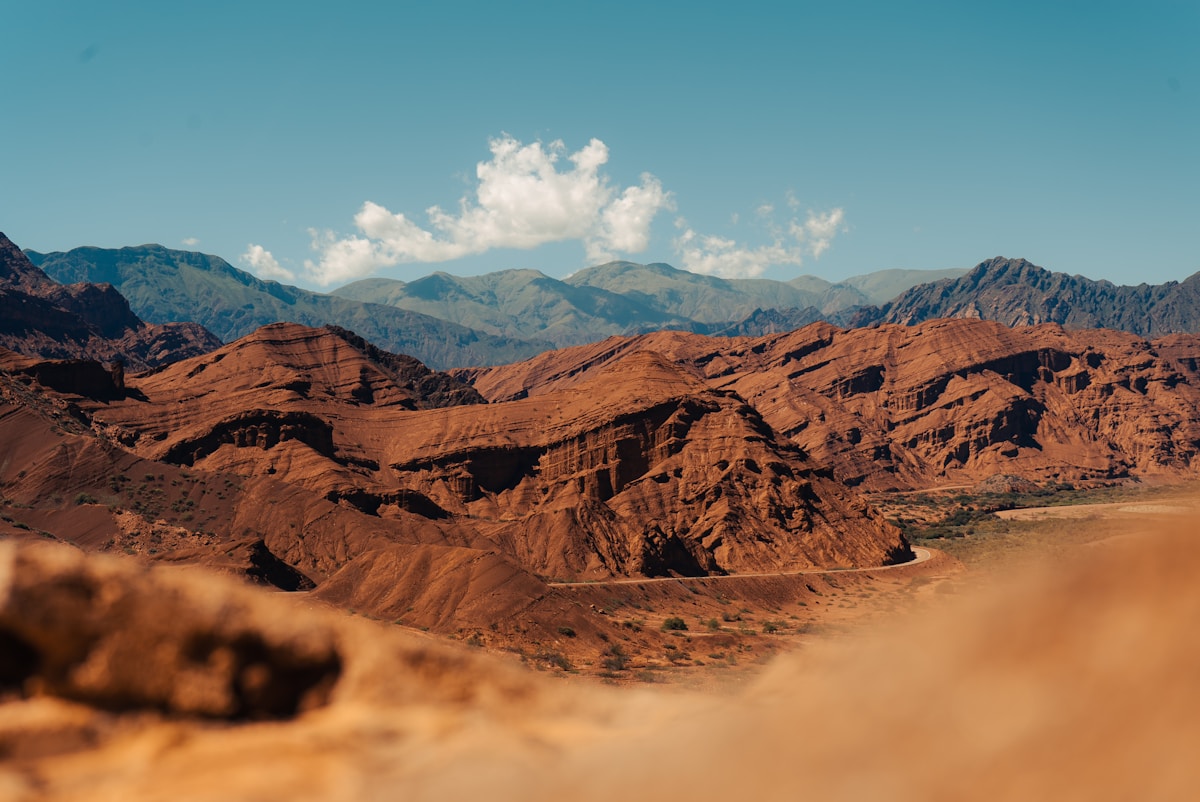
The road south from Salta to Cafayate follows the Calchaquí River through the Quebrada de Cafayate - 50 km of eroded red and ochre sandstone formations with named formations including the Amphitheatre, the Devil’s Throat, and the Castles. This is best done as a full-day road trip, either driving or on an organised tour, stopping at the formations and arriving in Cafayate for lunch and a winery visit before returning. The drive itself is visually continuous.
Salinas Grandes
The Salinas Grandes is a 212 sq km salt flat at 3,450 metres altitude, around 3–3.5 hours from Salta via the Quebrada de Humahuaca and Purmamarca. It is one of the largest salt flats in South America and produces the geometric hexagonal cracking patterns that photograph well in midday light. There is no entry fee for the salt flat itself; the road from Purmamarca climbs through the Lipán Pass (4,170 m) on a winding ascent that is one of the more dramatic paved roads in the northwest. Most visitors combine Salinas Grandes with Purmamarca in a single day from Salta or Jujuy. Organised tours from Salta cost approximately USD 50–70 per person including transport and a brief stop at the Purmamarca market; bring water, sunscreen, and sunglasses as the reflected light from the salt surface is intense.
Tren a las Nubes
The Train to the Clouds is one of the highest railway journeys in the world, climbing from Salta to the Viaducto La Polvorilla at 4,220 metres via 29 bridges, 21 tunnels, and 13 viaducts. When operating, it runs on selected days from April to November; the journey takes approximately 16 hours return. Check current schedule with the tourism office or the operating company as the service has experienced interruptions and schedule changes in recent years. Tickets cost approximately USD 100–120 per person.
Where to Stay
The blocks immediately around Plaza 9 de Julio have the highest concentration of hotels, hostels, and guesthouses - staying here puts you within walking distance of the cathedral, museums, and the main restaurant strips on Balcarce street. Balcarce itself is a lively dining and peña (folk music) street one block north of the plaza.
Search hotels in Salta on Booking.com
Upper mid-range: Hotel Salta on Buenos Aires street, overlooking Plaza 9 de Julio, is a colonial-style landmark hotel that has operated for over a century; rooms from approximately USD 80 per night. For a more contemporary option, Legado Mítico Salta on Mitre street offers boutique rooms in a converted mansion from approximately USD 95 per night.
Mid-range: Hotel Almería on Vicente López is a comfortable central alternative from approximately USD 45 per night, with rooms around a courtyard and a buffet breakfast included.
Budget: Munay Salta Hostel near the historic centre has dorm beds from approximately USD 12 per night and private rooms from approximately USD 30 — clean, well-run, and used heavily by trekkers heading for the quebradas.
The MAAM museum charges approximately ARS 5,000 entry as of 2026; the Cerro San Bernardo cable car costs approximately ARS 4,000 return. For dining, La Vieja Estación on Balcarce is a popular peña-restaurant combining live folk music with regional food (mains from approximately ARS 6,000–12,000) — shows typically start at 10pm on weekends. Doña Salta on Córdoba street serves traditional northwestern dishes including humitas, tamales, and locro; arrive early as it fills quickly for dinner. El Corredor de las Empanadas on España street is the most reliable spot for the empanadas salteñas that the city is known for, baked rather than fried, from approximately ARS 1,500–2,000 each. The Quebrada de Cafayate day tour with local operators costs from approximately USD 40–60 per person. Prices listed are approximate as of 2026.
Getting There and Around
Salta’s Martín Miguel de Güemes International Airport (SLA) receives direct flights from Buenos Aires (about 2 hours) and seasonal connections to other Argentine cities. Long-distance buses connect Salta to Jujuy (2 hours), Tucumán (4 hours), Mendoza (20 hours), and Buenos Aires (22 hours). For day trips to the quebradas and valleys, renting a car or joining an organised tour from Salta is the standard approach - public transport into the rural northwest is limited.
Best Time to Visit
April to October - the dry season - is the best time for Salta and the surrounding region. The weather is clear, road conditions are reliable, and the light on the Andean formations is at its sharpest. The wet season (November to March) brings afternoon thunderstorms and occasional road closures in the mountain routes. Salta city itself is fine to visit year-round.
Explore more: Things to do in Salta · Where to stay in Salta · Food in Salta · Cafayate wine country · Jujuy and the Quebrada de Humahuaca
Compare cities: Salta vs Tucumán
Upcoming Events in Salta
Iguazu National Park Anniversary
Iguazu National Park Anniversary 2026, 9 November. Free park entry, cultural events, and environmental programming in Puerto Iguazú.
Cosquín National Folk Festival
Cosquín Folk Festival 2027 runs 22 to 31 January in Córdoba province - ten nights of chacarera, zamba and folk on the Plaza Próspero Molina open-air stage.
Book an experience
Top experiences in Salta
Explore the best tours and activities in Salta , with instant confirmation and free cancellation on most bookings.
Planning to visit? Browse hotels in Salta, free cancellation on most bookings.