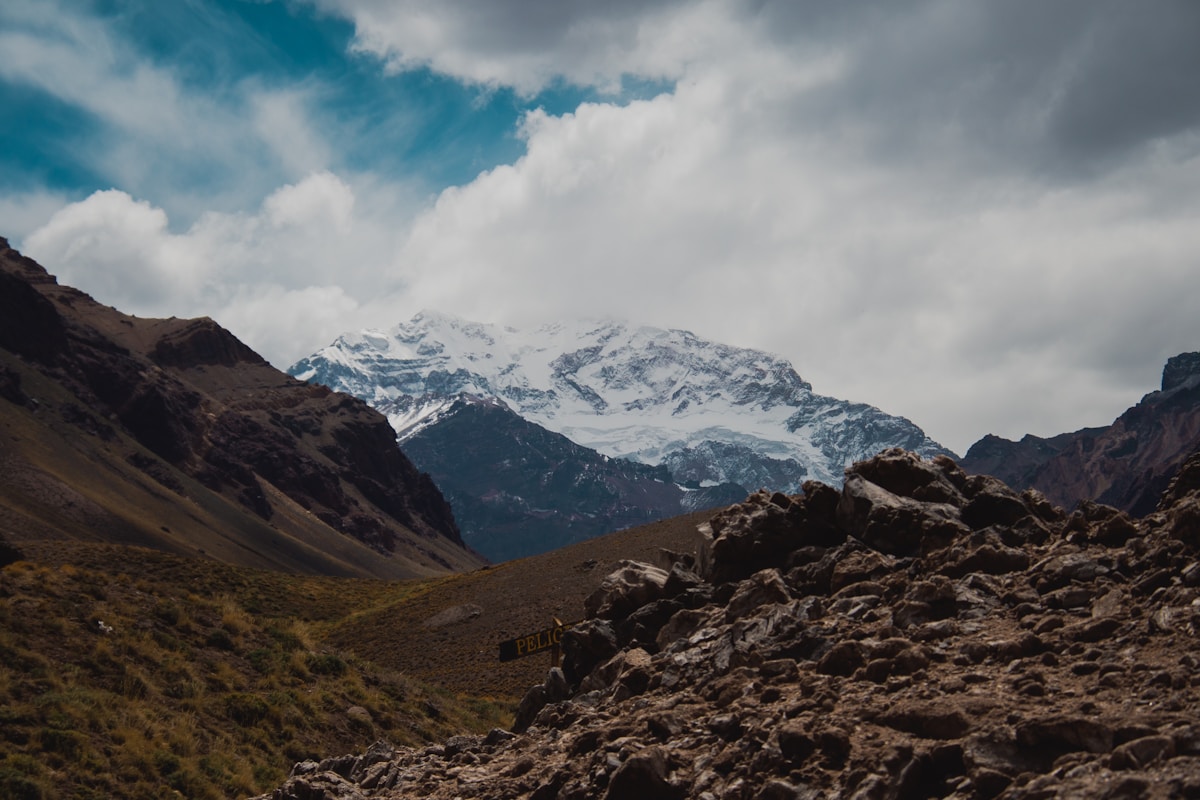
Jujuy, Argentina: Travel Guide
Seven-colour Purmamarca hill, the UNESCO Quebrada de Humahuaca gorge and high-altitude Puna landscapes make Jujuy a standout destination.
Guides for Jujuy & Purmamarca
Jujuy is Argentina’s northwesternmost province, bordering Chile and Bolivia, and it contains some of the most visually distinctive landscapes in the country. The province divides geographically into the lower valleys, the Quebrada de Humahuaca (a narrow gorge carved by the Río Grande), and the Puna - the high-altitude plateau extending west toward the Andes at 3,500 metres and above. The capital, San Salvador de Jujuy, sits 1,550 km northwest of Buenos Aires and serves mainly as an entry point; the tourist focus is entirely on the quebrada and the indigenous Andean villages strung along it. The quebrada was granted UNESCO World Heritage status in 2003 as a cultural landscape of outstanding value.
Purmamarca and the Seven-Colour Hill
Purmamarca is a small village of around 2,000 people at 2,324 metres, built around a 17th-century church and backed by the Cerro de los Siete Colores - the hill of seven colours, whose mineral-layered face changes tone across the day as the light shifts. A 3 km walking circuit around the hill takes under an hour and passes through additional rock formations; the circuit is free to walk. The village has a daily handicrafts market on the main plaza selling textiles, ceramics, and silver jewellery from local artisans. Prices are higher than in Tilcara or the city - expect to pay approximately ARS 3,000–8,000 for quality woven goods. Purmamarca is well-served with accommodation relative to its size and makes an excellent base for the western quebrada.
Tilcara and the Pucará
Tilcara is the main tourist hub of the quebrada - a village of around 5,000 people with the highest density of restaurants, hostels, and tour agencies along the route. The Pucará de Tilcara, a pre-Incan fortified hilltop settlement occupied between roughly 900–1430 CE, sits on a promontory above the village and takes about two hours to explore. Entry to the Pucará costs approximately ARS 2,000 for adults (as of 2026); it is open daily from 9am to 6pm. The Museo Regional de Pintura José Antonio Terry in town holds a collection of Argentine folk and Andean painting; admission is approximately ARS 800. A combined Pucará and museum ticket is available from the entrance kiosk.
Humahuaca Town
Humahuaca is the largest town in the quebrada proper, at 2,939 metres. It has a well-preserved historic centre and a notable monument - the Monumento a la Independencia, a large sculptural figure built into a niche on a hilltop above the central plaza, which animates mechanically at noon daily as a local curiosity. The town is quieter than Tilcara and functions as a base for excursions to the Serranías del Hornocal - multicoloured mountain formations at 4,350 metres with a mirador accessible by unpaved road, best visited with a local guide or 4WD vehicle.
Salinas Grandes
The Salinas Grandes salt flats sit at 3,450 metres on the Puna plateau, roughly 90 km west of Purmamarca on Route 52 - a road that climbs over the 4,170-metre Lipán Pass before descending to the flats. The surface is a mosaic of salt polygons several kilometres across, with shallow standing water in summer and dry crystalline formations in winter. Entry to the salt flat area costs approximately ARS 1,500 per person. Most visits are on day tours in northwest Argentina from Purmamarca or Jujuy city, running approximately USD 40–60 per person including transport.
Where to Stay
Tilcara has the widest accommodation choice and is the most practical base. El Antigal de Tilcara, a boutique lodge on the edge of the village, offers rooms with mountain views from approximately USD 90–130 per night. Rincón de Fuego is a well-regarded mid-range option in Tilcara from approximately USD 55–80 per night, with a good breakfast included. Budget travellers should look at Hostel Inti Huasi in Tilcara, with dorms from approximately USD 15 per night. In Purmamarca, El Manantial del Silencio is a premium lodge popular with couples for its silence and views, from approximately USD 160–220 per night. San Salvador de Jujuy city has larger hotels with more facilities - Howard Johnson Jujuy is a reliable mid-range choice from approximately USD 60–80 per night - but requires daily drives into the quebrada.
Search hotels in Jujuy on Booking.com
Where to Eat
In Tilcara, El Nuevo Progreso on the main plaza is the most popular local restaurant, serving locro (hearty corn and meat stew), humitas, and tamales - regional dishes you should eat here and in Salta. Mains run approximately ARS 4,000–8,000 (as of 2026). El Churque near the Pucará serves good grilled meats and regional soups at similar prices. Purmamarca’s village restaurants skew more expensive due to tourist demand; a simple set lunch on the plaza costs approximately ARS 5,000–9,000. Food in Humahuaca is cheaper and less polished. Throughout the region, look for empanadas jujeñas (small, baked, filled with meat or cheese) from bakeries - approximately ARS 800–1,200 each.
Getting There and Around
San Salvador de Jujuy’s Horacio Guzmán International Airport (JUJ) connects to Buenos Aires (Aerolíneas Argentinas, approximately ARS 60,000–100,000 one-way) and Córdoba. Buses from Salta city reach Jujuy in around 2 hours (approximately ARS 3,000) and continue up the quebrada to Tilcara (approximately ARS 1,200 from Jujuy city) and Humahuaca. From Buenos Aires, overnight buses take 22–24 hours. Within the quebrada, renting a car from Jujuy or Salta gives the most flexibility; buses connect the main villages on the Route 9 corridor but don’t serve the Puna detours or Salinas Grandes. Jujuy city is 1,550 km from Buenos Aires.
Practical Tips
Altitude sickness (soroche) is a genuine concern above 2,500 metres - drink plenty of water, eat light meals for the first day, and avoid alcohol until acclimatised. Coca tea (mate de coca) is widely available and helps with mild symptoms. The quebrada road (Route 9) is paved and in good condition; the roads to Salinas Grandes and Serranías del Hornocal are unpaved and need a cautious driver or 4WD in wet conditions. Carry cash - ATMs exist in Tilcara and Humahuaca but frequently run dry during peak season. The handicrafts market in Purmamarca opens at around 9am and closes by 5pm.
Best Time to Visit
The dry season - May to October - is the most reliable time for road access, clear skies, and the sharp light that makes the coloured rock formations most vivid. The wet season (November to March) brings rain to the lower quebrada and occasionally closes high-altitude routes to Salinas Grandes and the Serranías. The carnival celebrations in February and March draw large crowds to Tilcara and Humahuaca and are a significant cultural event if you can coincide with them.
Explore more: Things to do in Salta · Food in Salta · Where to stay in Salta · Best time to visit Argentina
Nearby: Salta travel guide · Cafayate wine country · Argentina budget guide · Getting around Argentina
Upcoming Events in Jujuy & Purmamarca
Iguazu National Park Anniversary
Iguazu National Park Anniversary 2026, 9 November. Free park entry, cultural events, and environmental programming in Puerto Iguazú.
Cosquín National Folk Festival
Cosquín Folk Festival 2027 runs 22 to 31 January in Córdoba province - ten nights of chacarera, zamba and folk on the Plaza Próspero Molina open-air stage.
Book an experience
Top experiences in Jujuy & Purmamarca
Explore the best tours and activities in Jujuy & Purmamarca , with instant confirmation and free cancellation on most bookings.
Planning to visit? Browse hotels in Jujuy & Purmamarca, free cancellation on most bookings.