Argentina is a Southern Hemisphere country, which means its seasons run opposite to Europe and North America. The best time to visit depends almost entirely on which part of Argentina you are heading to - a December trip to Patagonia is perfect, while the same month in Buenos Aires is humid and holiday-busy.
The broad rule: Patagonia runs November–March (summer). Buenos Aires and the central regions are best March–May and September–November (autumn/spring). The Andes ski resorts operate June–September. The northwest (Salta, Jujuy) is driest May–October.
Month-by-Month Overview
| Month | Buenos Aires | Patagonia | Northwest | Prices | Verdict |
|---|---|---|---|---|---|
| January | 28–35°C, humid | 15–25°C, peak | Wet season | High | BA hot; Patagonia peak - book ahead |
| February | 27–33°C, humid | 15–24°C, peak | Wet season | High | Patagonia excellent; BA hot |
| March | 22–28°C, pleasant | 12–20°C | Wet easing | Medium | Excellent across most regions |
| April | 17–23°C, ideal | 8–15°C | Dry season starts | Medium-Low | Very good - shoulder value |
| May | 13–19°C, cool | 5–10°C | Dry season | Low | Quiet, good value; Patagonia slowing |
| June | 10–15°C, cool | 1–7°C, snow possible | Dry season | Low | Ski season starts; Patagonia quietens |
| July | 9–14°C | Cold, some closures | Dry, crisp | Low | Ski peak; Patagonia trails may close |
| August | 10–15°C | Cold, improving | Dry season | Low | Ski season end; Patagonia reopening |
| September | 14–20°C | 5–12°C, trails reopen | Dry season | Medium | Good - spring shoulder value |
| October | 18–24°C, pleasant | 8–17°C | Dry season | Medium | Very good - spring warming |
| November | 22–28°C, warm | 11–22°C | Dry ends | Medium-High | Excellent - Patagonia season starts |
| December | 25–32°C, hot | 14–25°C, peak | Wet season begins | High | Patagonia peak; BA hot and busy |
Summer (December–February): Patagonia’s Prime Time
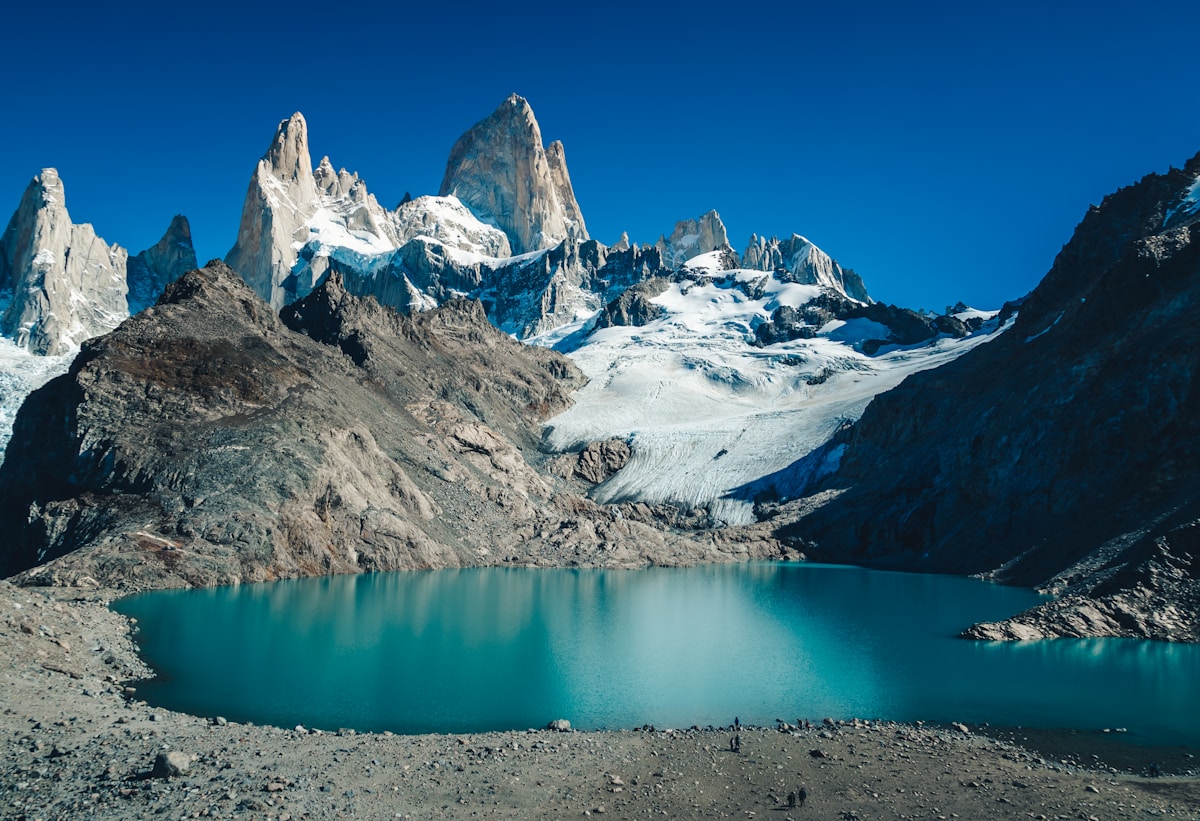
December through February is Patagonian summer - longer daylight hours (up to 17 hours in El Chaltén), accessible trails, and the full trekking season. The Fitz Roy massif near El Chaltén shows its famous silhouette under clear skies, Laguna de los Tres is reachable without crampons, and boats to the Perito Moreno Glacier operate on full schedules from El Calafate.
The trade-off is crowds and cost. A double room at a decent El Calafate guesthouse runs from approximately ARS 45,000–80,000 per night as of 2026 (always verify current prices - Argentine inflation means figures date quickly). Book accommodation 2–3 months ahead for January visits. Wind in Patagonia is a constant; January and February are statistically the most settled months, but gusts exceeding 100 km/h are not unusual on any given day.
Iguazu Falls at the far northeast reach their most dramatic in the November–March rainy season - water volume is higher, the Garganta del Diablo (Devil’s Throat) more thunderous. The trails are muggier and there is a higher chance of rain, but the falls themselves are at full force.
Buenos Aires in January is hot (35°C+), humid, and partially emptied - many porteños head to the coast or Patagonia. The city remains functional and the restaurant scene is alive, but expect reduced cultural programming and sparse theatre. Mar del Plata on the Atlantic coast is wall-to-wall Argentine holiday-makers in January and February - loud, busy, and fun if you want that experience.
Autumn (March–May): The Best Time for Buenos Aires
March through May is arguably the finest window for Buenos Aires. Temperatures sit at 17–26°C - comfortable for walking the Palermo neighbourhood parks, exploring San Telmo’s antique markets, or watching a Primera División football match. The summer heat has broken, the sky is frequently blue, and the city’s cultural calendar is in full swing with theatre, milonga events, and art exhibitions.
Vendimia (Harvest Festival) in Mendoza takes place in late February and early March - one of the country’s great annual events. The Mendoza wine harvest festival runs the first weekend of March, with concerts, parades, and bodegas open for visits. Booking accommodation and tours weeks ahead is essential. See the Mendoza city guide for logistics.
April is a quiet, excellent-value month. Salta and the northwest are dry and accessible, Iguazu Falls have calmed from rainy-season drama to a more manageable volume, and flight prices soften. May is the start of the low season - the quietest month in the calendar, good for budget travellers willing to accept cooler weather and some regional closures.
Winter (June–August): Ski Season and the Lakes District
Argentina’s ski season runs June through September, centred on Bariloche (Cerro Catedral ski resort), Mendoza (Las Leñas), and San Martín de los Andes (Cerro Chapelco). Cerro Catedral is the largest ski resort in South America - lifts reach 2,388 m, with 120 km of marked runs and a further 35 off-piste routes. Lift passes run approximately USD 80–120 per day as of 2026 (verify before travel - pricing changes each season).
Patagonia in winter means snow on the passes, reduced park opening hours, and several guesthouses in El Chaltén closing entirely from May through September. The Perito Moreno Glacier boat tours still operate, making El Calafate a viable winter destination for those specifically wanting the glacier without summer crowds.
Buenos Aires in winter sits at 10–15°C - cold enough to feel it but mild enough that the city remains fully functional. July is school holiday period (winter break) in Argentina - domestic tourism picks up and flights within the country get busy. Internationally, this is low season.
Spring (September–November): The Shoulder Sweet Spot
September and October are excellent months across most of Argentina. Buenos Aires’ jacaranda trees bloom in October - the city’s boulevards turn purple, particularly around Palermo and the Recoleta cemetery. Patagonian trails begin reopening from late September; trekking starts in earnest in October with markedly fewer visitors than December–January and prices running 30–50% lower.
November is when Patagonia swings into full activity. El Chaltén’s Fitz Roy trek is accessible from early November, hostel prices haven’t yet hit December peaks, and winds are often calmer than the high-summer months. This is a strong value window for Patagonian trekkers - pair it with Buenos Aires in the comfortable 22–27°C spring before flying south.
Regional Climate Summary
Buenos Aires and the Pampas: Humid subtropical. Best March–May and September–November. January–February are hot and sticky.
Patagonia (Bariloche, El Calafate, El Chaltén, Ushuaia): Cold all year; trekking season November–March; ski season June–September. Wind is omnipresent.
Cuyo and Wine Country (Mendoza, San Juan, San Rafael): Semi-arid. Best September–April; harvest season February–March. Summer heat in January can exceed 38°C in the lowlands.
Northwest (Salta, Jujuy, Cafayate): Dry May–October; wet November–March. The Quebrada de Humahuaca and the coloured hills of Purmamarca are vivid after rain but more reliably photogenic in the dry season.
Northeast and Iguazu (Misiones, Corrientes, Posadas): Hot and humid year-round. Falls are most dramatic November–March; crowds peak at Easter and July school holidays.
Key Events Calendar
- Vendimia (Harvest Festival) - first weekend of March, Mendoza. Wine country parades, bodega events, and the coronation of the harvest queen. Book early.
- Buenos Aires Tango Festival - August, Buenos Aires. The world’s largest tango gathering, free milongas across the city.
- Carnaval de Gualeguaychú - January–February (pre-Lent), Gualeguaychú, Entre Ríos. The biggest Brazilian-style carnival in Argentina; a 3-hour drive from Buenos Aires.
- Ushuaia International Marathon - April, Ushuaia. Run at the end of the world.
- Formula 1 - Buenos Aires - verify current calendar; the Autodromo has returned for select events.
- Feria del Libro - late April/early May, Buenos Aires. One of the world’s largest book fairs; 1.5 million visitors over three weeks.
Best Time by Traveller Type
Patagonia trekkers: November and March - full season, far fewer crowds than January, lower prices.
Buenos Aires culture: April for autumn atmosphere; October for jacaranda season and spring festivals.
Wine country: Late February or early March for Vendimia and the harvest.
Skiing: July is peak; June and August offer lower prices and shorter lift queues.
Iguazu Falls: November–March for maximum water volume; April for fewer crowds with still-impressive flow.
Budget travel: May–June and September are the quietest and most affordable windows outside Patagonia. Whatever month you visit, browsing tours across Argentina gives a useful sense of what experiences are currently available - from Patagonia glacier walks to Buenos Aires tango shows and Mendoza wine tours.
For monthly detail, see our guides: January · February · March · April · May · June · July · August · September · October · November · December
City guides: Buenos Aires · Bariloche · El Calafate · Mendoza · Salta · Ushuaia · Tucumán · Rosario · Mar del Plata · San Juan · San Rafael · Santa Fe · La Plata · Tigre
Planning your route? See our one-week Argentina itinerary, 10-day itinerary, two-week Argentina itinerary, or Patagonia itinerary. For city-specific guides: 3 days in Buenos Aires · 7 days in Buenos Aires · Mendoza wine country.
Plan Your Trip
✈️ Book your flights to Argentina 🛡️ Get travel insurance 📱 Stay connected with an eSIM 🚗 Rent a car