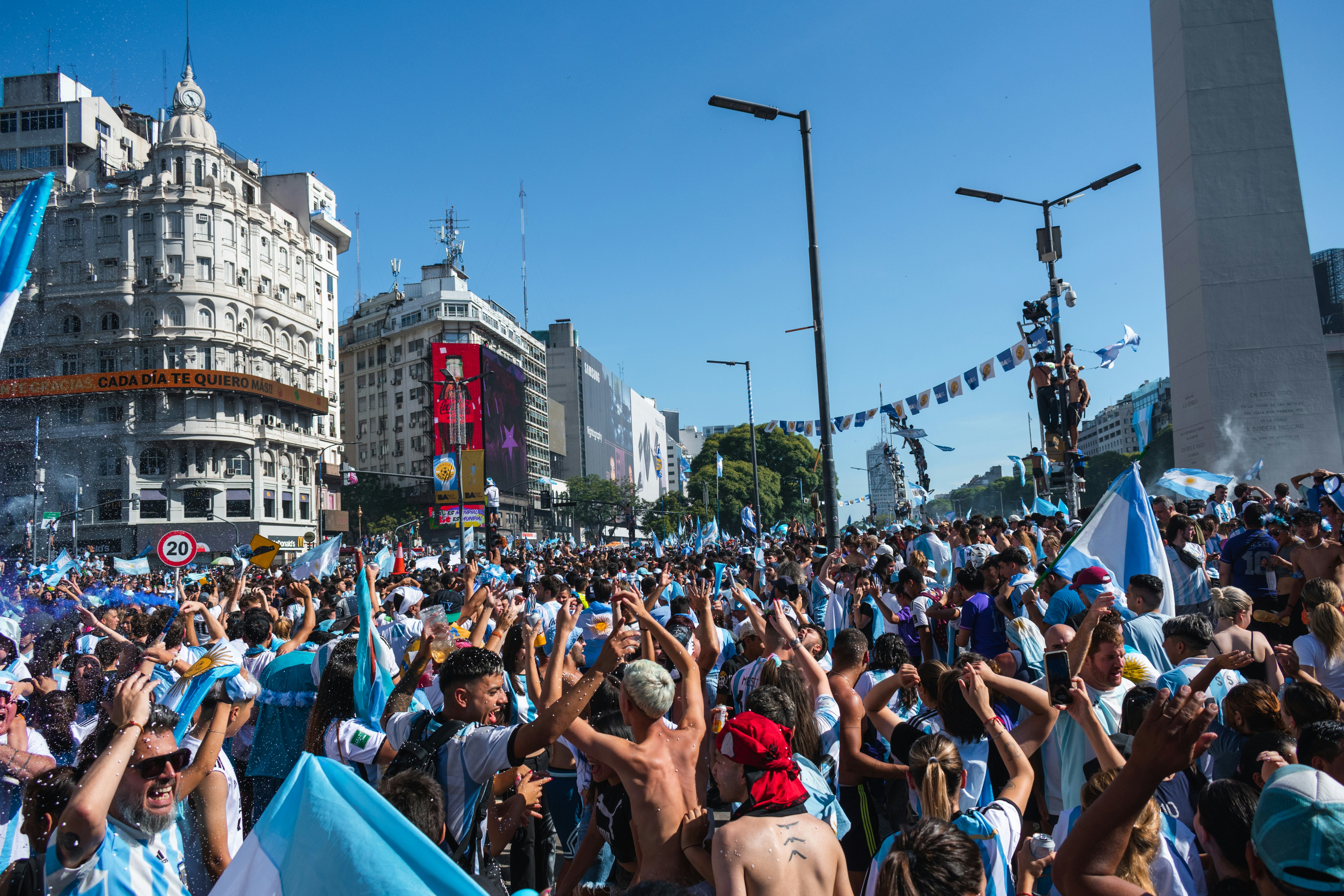
Argentina has a festival calendar packed with colour and passion, whether that is the feathered floats of Carnaval, the wine-stained streets of Mendoza in March, or the late-night milongas of the Tango World Championship in August. This guide covers the major events by season, with dates, costs, and the practical details you need to plan around them.
Carnaval: Gualeguaychu, Corrientes and Buenos Aires (February)
Argentina’s Carnaval season runs through the four weekends of February. Unlike Rio’s concentrated block, Argentine Carnaval is spread across multiple cities and styles.
Gualeguaychu, Entre Rios Province
The Corsodrome in Gualeguaychu hosts what is widely billed as the longest Carnaval parade in Latin America, drawing around 40,000 spectators per night. Parades run on Friday and Saturday evenings across the four February weekends, with competing comparsas fielding elaborate floats, sequinned costumes, and live percussion that continues until 4am or 5am.
Dates (2026): Friday and Saturday evenings across the four weekends of February (typically the 1st through to the last weekend of the month). Confirm exact dates at the official Carnaval del Pais site before travelling.
Tickets: Grandstand seating costs approximately ARS 15,000 to ARS 25,000 per person as of 2026, depending on category. Pre-book online; the best seats sell out within days of going on sale in November.
Getting there: Gualeguaychu is around 230km north of Buenos Aires, accessible by bus (roughly 3 hours, from ARS 8,000 one way) from Retiro Bus Terminal. No direct train service.
Accommodation tip: Book hotels in Gualeguaychu at least two to three months ahead. Capacity in this city of 90,000 is overwhelmed during Carnaval weekends. Many visitors stay in Colon or Concordia and drive in.
Corrientes Carnaval
The capital of Corrientes province runs its own Carnaval across the same February weekends, with a similar parade format but a more intimate crowd, typically 10,000 to 15,000 spectators per night. Corrientes is 1,000km north of Buenos Aires, making it a natural stop on a northeast Argentina circuit.
Buenos Aires Barrio Murgas
If you cannot make it to the provinces, Buenos Aires hosts dozens of neighbourhood murga groups that perform for free in parks and plazas throughout February. Parque Centenario (Caballito), Parque Rivadavia, and Parque Avellaneda are popular venues. Performances are informal and family-friendly; schedules are posted through the Buenos Aires city government’s cultural events pages.
Vendimia Wine Harvest Festival, Mendoza (First Weekend of March)
The Fiesta Nacional de la Vendimia is the most important regional festival in Argentina outside Buenos Aires. It celebrates the grape harvest across the country’s premier wine region, culminating in two headline events.
The Blessing of the Harvest (Vía Blanca de las Reinas): On the Friday night before the main ceremony, a candlelit procession of the provincial harvest queens winds through central Mendoza. Free to watch from the roadside along Avenida San Martin and Parque General San Martin.
The Main Ceremony (Acto Central): Held on the Saturday evening at the Frank Romero Day outdoor amphitheatre in Parque General San Martin, this is the centrepiece of Vendimia. The queen coronation unfolds against an elaborate theatrical and pyrotechnic backdrop. The amphitheatre holds around 22,000 people, and the full festival weekend draws approximately 50,000 visitors to Mendoza.
Dates (2026): The main ceremony is typically on the first Saturday of March (approximately 7 March 2026). Confirm exact dates via the official Mendoza tourism site.
Tickets: Central ceremony tickets range from approximately ARS 12,000 to ARS 35,000 as of 2026, by seating category. Tickets go on sale in January and sell out quickly for premium sections.
Accommodation tip: Mendoza city hotels are fully booked months in advance for Vendimia weekend. Book by December for the following March. Consider staying in Lujan de Cuyo or Maipu and driving in for events.
Wine context: Vendimia coincides with the end of harvest season, so most bodegas have concluded picking by early March. Many wineries host private harvest lunches through January and February; book these separately if you want to participate in the actual picking experience.
Buenos Aires International Film Festival BAFICI (April)
The Buenos Aires International Independent Cinema Festival (BAFICI) is one of the most important film festivals in Latin America, running for around 10 days in April. It screens more than 400 films across competitive and sidebar programs, with a focus on independent and arthouse cinema from around the world.
Dates (2026): Typically mid to late April (approximately 15 to 26 April 2026). Confirm exact dates via the official BAFICI site.
Main venues: Centro Cultural Ricardo Rojas (Corrientes 2038, San Nicolas), Cinemark Palermo, and several smaller neighbourhood cinemas across Buenos Aires.
Tickets: Individual screenings cost approximately ARS 2,500 to ARS 4,000 per film as of 2026. Multi-film passes are available. Many press and industry screenings are open to the public at reduced rates.
What to expect: BAFICI is not a red-carpet celebrity event. It attracts cinephiles, critics, and filmmakers, with packed Q&A sessions after many screenings. The opening and closing films draw queues; arrive 30 minutes early for popular slots.
La Rural: International Exhibition of Agriculture and Livestock, Buenos Aires (July)
La Rural is the largest agriculture and livestock exposition in Latin America, running for around three weeks in July at the Predio Ferial de Palermo in the Palermo neighbourhood of Buenos Aires.
Dates (2026): Typically 18 July to 3 August 2026. Confirm exact dates at the official La Rural site.
What it involves: The expo covers several hectares of exhibition halls and outdoor pens. Highlights include livestock shows (prize cattle, horses, sheep, and pigs), rural artisan markets, gaucho horsemanship displays in the main arena, and food and wine pavilions representing every Argentine province.
Tickets: General admission costs approximately ARS 8,000 as of 2026. Some weekday mornings offer free or reduced entry for families; check the official site for the current year’s free-entry days.
Getting there: Palermo station on the Mitre/Belgrano line is a two-minute walk from the main entrance. From central Buenos Aires, the 39 and 152 colectivo routes also pass through Palermo.
Buenos Aires Tango Festival and World Championship (August)
The Festival y Mundial de Tango takes over Buenos Aires for two weeks each August, combining free public milongas with elite competitive tango. It is one of the largest tango events in the world.
Dates (2026): Typically mid to late August (approximately 14 to 30 August 2026). Confirm dates via the Buenos Aires city government’s festival site.
Free events
The outdoor milonga in Plaza Dorrego (San Telmo) is the social centrepiece: couples of all levels dance under the square’s trees from evening until midnight most nights of the festival. Street performances are scattered across San Telmo, the microcentro, and La Boca throughout the two weeks. All free, no tickets required.
Competitive events (Luna Park)
The World Tango Championship finals take place at Luna Park (Bouchard 465, Puerto Madero), with category competitions in tango de salon and tango escenario. Heats are held at venues across the city across the fortnight; finals draw the largest crowds.
Tickets: Heats are often free or low-cost (from ARS 2,000 as of 2026). Luna Park finals range from ARS 5,000 to ARS 15,000 per person depending on category and seating, as of 2026. Book finals tickets as soon as they go on sale, typically June or early July.
Learning tango during the festival
Many milonga organisers run free group classes in the early evening (the practica hour) before the main milonga begins. The festival schedule, released in late July, lists all venues and times. Beginners are welcome at almost all public milongas.
Planning Your Trip Around Argentina’s Festival Calendar
A few practical observations when building an itinerary around these events:
- Carnaval (February): Argentina’s summer peak. Gualeguaychu requires dedicated travel from Buenos Aires. Budget accommodation in small festival cities books out months ahead.
- Vendimia (March): Shoulder season for Mendoza; weather is excellent. Winery visits combine naturally with the festival weekend. Fly or take the overnight bus from Buenos Aires (roughly 13 hours).
- BAFICI (April): Buenos Aires in autumn, comfortable temperatures. No special accommodation pressure, but film passes for popular programs sell out.
- La Rural (July): Buenos Aires winter, cold evenings. Indoor pavilions make this manageable. Combine with other Buenos Aires sightseeing.
- Tango Festival (August): Buenos Aires in late winter, warming toward spring. Accommodation in Buenos Aires is generally available, though San Telmo fills during festival weekends.
All ticket prices and dates listed here are as of 2026. Festival dates shift year to year; always confirm with official sources before booking travel.