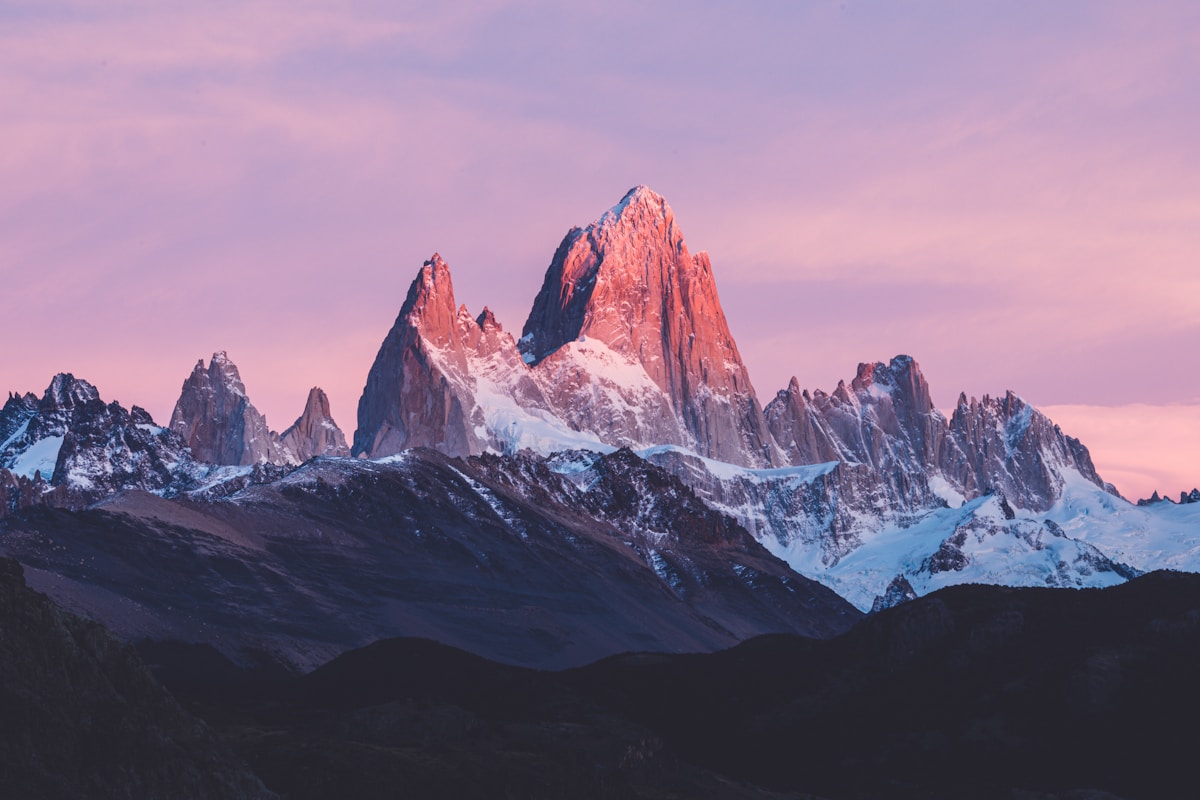
August is the final full month of Argentine winter. The school holiday crowds of July have dispersed, the ski season continues in the mountains, and the northwest and Iguazú offer comfortable winter conditions. For Buenos Aires, it remains cool and grey - the reward comes in the weeks immediately after.
Buenos Aires in August
August in Buenos Aires is cold and often overcast. Average highs reach 14°C toward the end of the month - slightly warmer than July. The city is fully operational, and with the Argentine tourist school holidays over, accommodation prices are at or near their lowest point of the year.
The Buenos Aires arts calendar is particularly strong in August. The Buenos Aires Tango Festival and World Cup (Festival y Mundial de Tango) typically takes place in mid-to-late August, drawing tango dancers and musicians from around the world. The festival includes free outdoor milongas, performances at theatres across the city, and the competitive world championship rounds. The Teatro Colón’s winter season also continues, and independent theatres in the Corrientes theatre district run strong programmes. If cultural Buenos Aires is your interest rather than outdoor activities, August - despite the cold - delivers a genuine local experience without tourist queues.
Ski Season: Late Winter
Bariloche: August is a solid ski month with reliable snow and significantly lower crowds than July. Cerro Catedral’s lifts operate fully through August. The Fiesta Nacional de la Nieve (National Snow Festival) is held in Bariloche in August, with torchlight ski parades, snow sculpture competitions, and the crowning of the Reina de la Nieve (Snow Queen). Late August can occasionally see snow quality deteriorate if spring conditions arrive early, but most years the skiing remains good.
Las Leñas: Also operating in August. The resort is remote enough that it rarely feels crowded outside of peak holiday periods.
San Martín de los Andes (Cerro Chapelco): Open through August. A quieter alternative to Bariloche, set in scenery that many consider Argentina’s most beautiful lake district.
Northwest Argentina in August
August is one of the driest and clearest months in the northwest - arguably the best month for the region. The Quebrada de Humahuaca is at its most photogenic with deep blue skies. The Puna plateau and Salinas Grandes salt flats are accessible and typically dry. Daytime temperatures in Salta city are comfortable - 20–22°C - though nights in the high plateau drop toward freezing.
The Carnaval Norteño (northern carnival traditions) have their roots in this region, though the main celebrations take place in February.
Iguazú Falls in August
August is one of the best months to visit Iguazú. Temperatures are pleasant (23–27°C), the falls are operating normally, and crowds are at a low point. The park’s wildlife - toucans, coatis, butterflies - is active and accessible on the park walkways. Budget travellers will find lower accommodation prices in Puerto Iguazú than in the summer months.
Mendoza in August
Mendoza in August is cold - temperatures around 10–15°C - and the vines are dormant. Winery visits are possible and the bodegas are quiet, but the landscape is less interesting than harvest season. The snow-covered Andes are visible from the city in August on clear days and the views from the Cerro de la Gloria viewpoint are excellent.
Patagonia in August
El Calafate operates year-round and the Perito Moreno Glacier walk is available throughout winter. The glacier is spectacular in winter conditions - ice in cold light, with far fewer visitors than the January peak. El Chaltén remains largely closed. Ushuaia continues its winter activity programme.
Late August marks the beginning of Patagonia preparation. Some tour operators start their seasonal hiring and opening processes. Early-bird bookings for the October trekking season often open in August.
Practical Notes for August
- Pre-spring bookings: If you’re planning a Patagonia trekking trip for October or November, August is a good time to book El Chaltén accommodation, which fills up fast once the season opens.
- Northwest timing: Plan arrival in the northwest before mid-August if you want the clearest winter conditions.
- Ski condition check: Late August snow quality at Bariloche can be variable in warm years. Check Cerro Catedral’s snow report before your ski trip.
- Buenos Aires: If visiting BA in August, accept the cold and embrace the indoor cultural scene - it’s genuinely excellent. Guided tours in Buenos Aires - tango shows, food walks, and historical neighbourhood tours - are a good fit for the August programme.
- Whale watching: Peninsula Valdés on the Atlantic coast sees southern right whales from roughly July to November. August is within the whale watching window - combine with Buenos Aires for a wildlife-focused trip.
See also: Best time to visit Argentina · Whale watching at Península Valdés · Puerto Madryn travel guide · Bariloche travel guide · Argentina budget guide
Plan Your Trip
✈️ Book your flights to Argentina 🛡️ Get travel insurance 📱 Stay connected with an eSIM 🚗 Rent a car