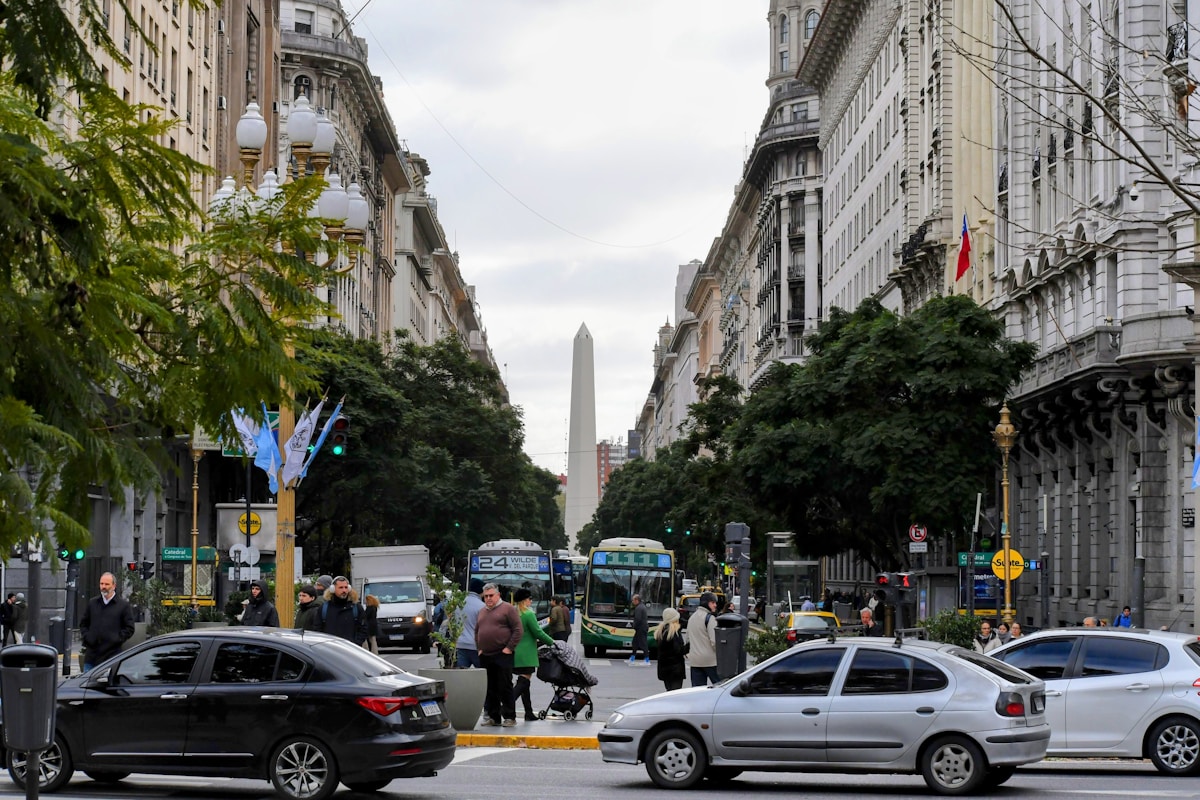
Argentina is one of South America’s most rewarding and complex destinations for budget planning. The Argentine Peso (ARS) is volatile - the country has had multiple currency regimes and exchange rate reforms over recent years. Getting your exchange rate right can cut your daily spend in half. This guide walks through realistic costs for Buenos Aires, Patagonia, and Mendoza as of 2026, with clear advice on each tier.
A Note on Exchange Rates
The Argentine Peso has historically had multiple exchange rates running simultaneously. Since the 2024 economic reforms, the official rate and market rate have converged significantly, but the situation continues to evolve. Always research the current exchange landscape before arrival:
- Official rate: Available at banks and ATMs - often the least favourable
- Blue dollar rate (dólar blue): The informal parallel rate - historically gave travellers significantly more ARS per dollar, though the gap has narrowed since reforms
- Digital payments (Wise, Revolut): Often give competitive rates without the cash logistics
The practical upside: Argentina is extremely affordable when you use competitive exchange options. All prices below are in ARS as of 2026. Use xe.com or Wise for current ARS conversion.
Daily Budget Overview
| Tier | Per Day (ARS) | Who It Suits |
|---|---|---|
| Budget | ARS 25,000–40,000 | Hostels, empanadas and street food, bus, free walking tours |
| Mid-Range | ARS 60,000–120,000 | 3-star hotels, parilla dinners, Uber, one activity per day |
| Luxury | ARS 200,000–500,000+ | 5-star hotels, premium steak restaurants, wine tours, taxis |
Patagonia (El Calafate, El Chaltén) adds roughly 50–80% to accommodation costs compared to Buenos Aires.
Accommodation Costs
Buenos Aires has one of South America’s best hostel scenes. Dorm beds in Palermo, San Telmo, and Recoleta range from approximately ARS 8,000–15,000 per night as of 2026. Private rooms at budget guesthouses start around ARS 18,000–30,000. Mid-range boutique hotels run ARS 60,000–120,000. The grand five-star Alvear Palace area hotels start at approximately ARS 250,000 per night.
Search hotels in Argentina on Booking.com
Mendoza accommodation is cheaper than Buenos Aires. A comfortable private room at a mid-range hotel or B&B costs approximately ARS 40,000–80,000. Wine region bodegas with accommodation attached start around ARS 90,000 for a room with vineyard views.
Patagonia (El Calafate / El Chaltén): Hostels start from approximately ARS 18,000–30,000 per dorm bed. Private rooms in budget guesthouses run ARS 60,000–100,000. Mid-range hotels easily reach ARS 120,000–200,000. Book months in advance for peak season (November to March) - rooms sell out completely.
Bariloche: Mid-point between Buenos Aires and Patagonia. Private rooms from approximately ARS 40,000–80,000; ski season (July to September) pushes prices significantly higher.
Food Costs
Argentina punches well above its weight for food quality at every price point.
Budget eating (ARS 3,000–12,000 per meal): A freshly made empanada costs approximately ARS 800–1,500 each - buy a plate of four for a full lunch. A medialunas (croissant) and coffee at a neighbourhood café runs ARS 3,000–5,000. Milanesas (breaded cutlets) at a family restaurant cost approximately ARS 6,000–10,000 for a full plate.
Mid-range parilla (ARS 15,000–30,000 per person): A proper Argentine steak dinner - bife de chorizo or asado cuts - with salad, bread, and a glass of Malbec costs approximately ARS 15,000–25,000 per person. This is where Argentina genuinely over-delivers compared to anywhere else in the world.
Upscale (ARS 35,000–80,000+ per person): Buenos Aires has world-class fine dining. Restaurants in Palermo Hollywood and Puerto Madero serving premium cuts with curated wine pairings charge approximately ARS 40,000–80,000 per person.
Supermarkets: Excellent for self-catering. A bottle of decent Malbec starts at approximately ARS 4,000–8,000. Fresh produce, cheese, and bread for a picnic costs ARS 5,000–10,000.
Transport Costs
Buenos Aires City Transport
The Buenos Aires SUBE card covers buses and subte (metro). A single bus or metro journey costs approximately ARS 500–800 as of 2026. Day-to-day travel on public transport is extremely affordable. Uber and Cabify are available but priced higher - a typical cross-city trip runs ARS 4,000–10,000.
Free Walking Tours
Buenos Aires’s free walking tour scene (tip-based, so roughly ARS 5,000–8,000 tip at the end) is outstanding. San Telmo, Recoleta, and Palermo tours run daily and are a genuinely excellent way to orient yourself.
Long-Distance Buses
Argentina’s bus network is the backbone of budget travel:
- Buenos Aires to Mendoza: approximately ARS 25,000–40,000 (semi-cama), ARS 50,000–80,000 (cama ejecutivo), about 14 hours
- Buenos Aires to Bariloche: approximately ARS 45,000–70,000, about 22 hours
- Buenos Aires to El Calafate: approximately ARS 65,000–100,000, about 36 hours - most travellers fly
Intercity Flights
Aerolíneas Argentinas and budget carriers run domestic routes. Buenos Aires to El Calafate costs approximately ARS 80,000–180,000 return booked in advance. Buenos Aires to Bariloche approximately ARS 60,000–130,000 return. Book early - peak Patagonia season routes sell out.
Car Rental (Mendoza Wine Region)
Exploring Mendoza’s bodegas independently requires a car or bike. If you plan to hire a car in Argentina, rates start at approximately ARS 40,000–80,000 per day. Many bodegas are 20–45 minutes from Mendoza city - cycling is a popular option at approximately ARS 5,000–10,000 per day.
Key Attraction Costs
Free or nearly free:
- Buenos Aires free walking tours (tip-based)
- Recoleta Cemetery - free entry
- MALBA (Latin American Art Museum) - free on Wednesdays; approximately ARS 3,500 other days
- La Boca’s Caminito street - free to walk
- Puerto Madero waterfront walk
- Palermo parks and rose gardens
Paid (approximate 2026 costs):
- Perito Moreno Glacier, Los Glaciares National Park: approximately ARS 5,000–8,000 entry
- Fitz Roy trek (El Chaltén) - the trek itself is free; park entry approximately ARS 5,000
- Mendoza bodega tours with tastings: approximately ARS 8,000–20,000 per visit
- Buenos Aires tango show (dinner and show): approximately ARS 30,000–70,000
Money-Saving Tips
1. Master the bus pass system in Buenos Aires. Load a SUBE card and you’ll spend a fraction of what Uber riders do.
2. Eat at a tenedor libre (all-you-can-eat) restaurant at lunch. Many Buenos Aires tenedor libres charge approximately ARS 8,000–15,000 for an unlimited lunch including salad bar, hot dishes, and dessert.
3. Buy wine at the supermarket or bodega direct. A Malbec that costs ARS 6,000 in a Mendoza supermarket costs ARS 25,000 in a restaurant. Take a bodega tour, buy direct, and drink well for less.
4. Hike El Chaltén independently. The Fitz Roy and Cerro Torre trail systems start directly from town. No guides are required, no permits needed for day hikes - just a good map and weather awareness.
5. Travel shoulder season for Patagonia. October to November and March to April offer excellent conditions with lower accommodation prices and no booking crises.
6. Long-distance buses with cama ejecutivo are a budget luxury. A 22-hour Buenos Aires to Bariloche cama bus (fully flat seat, dinner and breakfast included) for approximately ARS 70,000 beats flying when you factor in no airport transfers, no hotel night, and sleeping en route.
7. Use a currency exchange comparison app. The difference between exchange options can be 10–20% as of 2026. Always compare before converting.
City-by-City Snapshot
Buenos Aires
Argentina’s most affordable gateway city for budget travellers. World-class food, culture, and nightlife at low cost. Budget daily total approximately ARS 28,000–38,000 with careful spending.
Mendoza
Slightly cheaper than Buenos Aires for accommodation. The main cost is wine tours - budget approximately ARS 15,000–25,000 per bodega visit. Daily total approximately ARS 35,000–55,000 including one bodega tour.
El Calafate / Patagonia
No true budget option exists here. The glacier and park experiences are world-class but accommodation is expensive. Budget daily total approximately ARS 80,000–130,000 for a comfortable visit.
Argentina rewards patience and flexibility. The traveller who understands the exchange landscape, eats where locals eat, and moves by bus instead of taxi will experience one of the world’s great food and landscape destinations for a fraction of what comparable quality costs elsewhere. For a curated day out, guided tours across Argentina cover everything from Buenos Aires street food walks to Mendoza wine experiences and Patagonia glacier excursions.
See also: Argentina currency guide · Getting around Argentina · First-time Argentina guide · Best time to visit Argentina · Argentina travel insurance
Plan Your Trip
✈️ Book your flights to Argentina 🛡️ Get travel insurance 📱 Stay connected with an eSIM 🚗 Rent a car