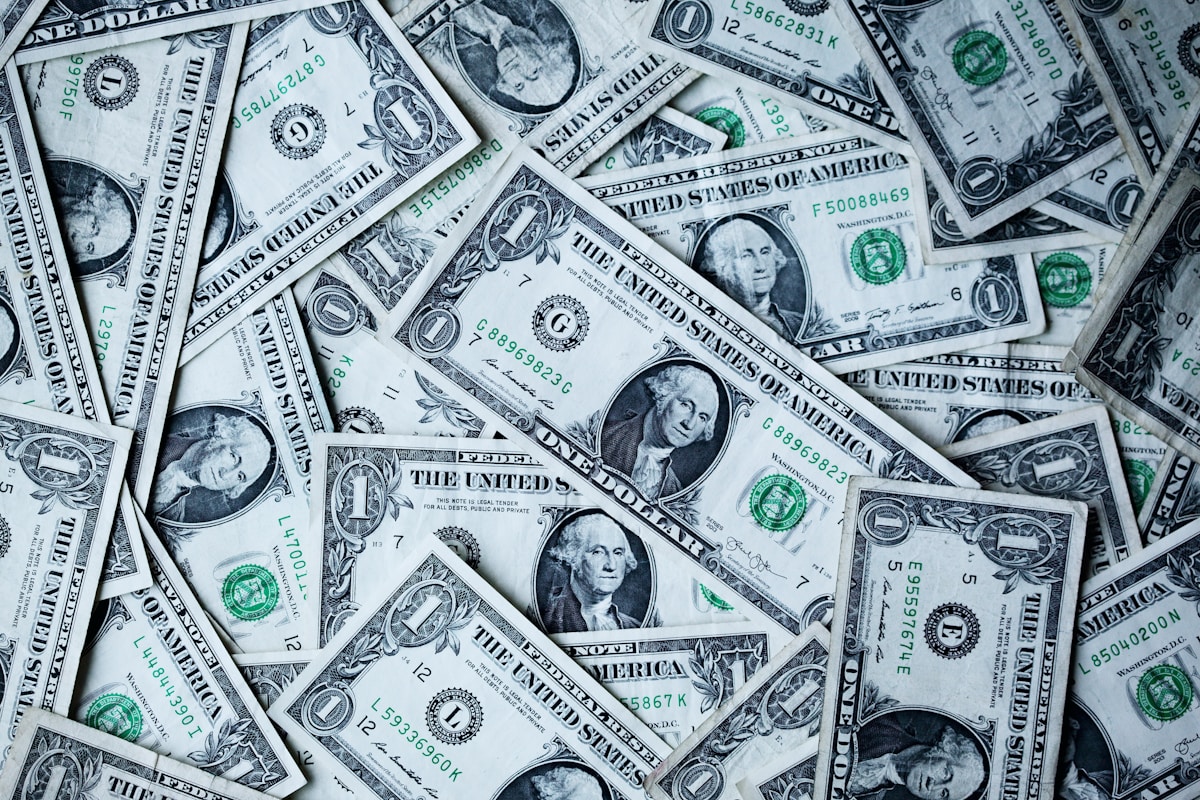
Argentina’s currency situation is unlike anywhere else in South America. The country operates with multiple exchange rates running simultaneously, and the difference between them can mean paying twice - or half - as much for the same thing. Understanding how the system works before you arrive will save you a significant amount of money and a fair amount of confusion.
How Argentina’s Exchange Rates Work
The Argentine peso (ARS) is the official national currency, but it exists in a state of chronic inflation and periodic devaluation. As of 2026, the peso continues to lose purchasing power at a rapid rate, and the Argentine government has historically controlled the official exchange rate to slow capital flight - creating a persistent gap between the official rate and what the open market actually values the peso at.
There are several exchange rates you’ll encounter:
Tipo de cambio oficial (official rate): This is the rate set by the Banco Central de la República Argentina. It applies when you withdraw money from an ATM using a foreign card, exchange at a licensed bank, or use a cash advance on your credit card. It is consistently the worst rate for foreign visitors - often significantly below what you can get in the informal market.
Tipo de cambio tarjeta (card rate): When you pay by international credit or debit card, Argentine banks apply a blended rate that is more favourable than the strict official rate but still well below the parallel rate. The government has also applied a PAIS tax surcharge - a percentage added on top - though the exact levy has changed several times. Check the current status of the PAIS tax before you travel, as it has been adjusted and at times partially suspended.
Dólar blue (blue dollar): The parallel market rate. This is the rate at which USD cash physically changes hands outside the formal banking system. It is consistently higher than the official rate - historically 2 to 4 times higher during the worst periods of distortion, as of 2026 check dolarito.ar or dolarhoy.com for the live spread. For travellers carrying USD cash, exchanging at the blue rate dramatically reduces costs.
The Blue Dollar: What It Is and How It Works
The dólar blue is Argentina’s open secret. It is named for the colour of US hundred-dollar bills and refers to the informal parallel market where pesos and foreign currency are exchanged outside the banking system. Despite its informal status, it operates fairly openly in Buenos Aires and other major cities.
The rate fluctuates daily and is tracked publicly on sites such as dolarito.ar and dolarhoy.com. Always check these before any exchange - a rate quoted at 9 a.m. may be slightly different by afternoon.
Two main channels exist for accessing the blue rate:
Cuevas: Informal exchange houses, typically operating from small shopfronts or back offices in commercial areas. Microcentro in Buenos Aires - particularly the streets around Florida pedestrian street and the Galerías Pacífico area - has a concentration of these. They are not marked with large signage. Introductions via hotel staff or guesthouse owners are the safest approach for first-time visitors.
Arbolitos: Street touts (the name means “little trees”) who approach pedestrians on Florida Street calling out “cambio, cambio.” They offer to exchange on the spot. Whilst some are legitimate, the risk of receiving counterfeit notes or being short-changed is real. If you use an arbolito, count every note carefully in a nearby café or doorway before walking away - never in the open street.
Cambio San Luis (Microcentro, Buenos Aires) is a well-known registered casa de cambio that has historically offered competitive rates closer to the blue than the strict official rate, though rates and reputations change - ask your accommodation for current recommendations.
Bringing USD Cash: The Best Strategy
Carrying USD cash is the single most effective way to maximise value in Argentina. A few important rules apply:
Bill condition matters. Argentine exchange points are strict. Bills must be clean, undamaged, and free of tears, markings, or significant folds. Pre-2009 series USD notes - identifiable by the smaller portrait on $100 bills - are routinely refused. Bring only newer-series notes with the large portrait and colour-shifting ink.
Denomination mix. Bring a mix of denominations. Hundreds get the best exchange rates. Fifties and twenties are useful for smaller exchanges and for places that cannot make change on a hundred. Avoid singles and fives - they are not worth exchanging and some places refuse them entirely.
Euros are accepted at most cuevas and some casas de cambio, but the EUR rate typically runs 10–15% below USD equivalents. If you are arriving from Europe and have euros to hand, they will work - but USD will always stretch further.
Wiring money via Wise is a practical supplement. Wise transfers to an Argentine recipient bank account or to a local contact’s account allow you to access pesos at competitive rates without physically carrying large sums. This works well for longer stays or when you have used your initial cash reserve.
Using Your Card in Argentina
Paying by international credit or debit card is convenient but comes at a cost. Cards settle at the tarjeta rate rather than the blue rate, and the PAIS tax - when in effect - adds a further surcharge. In periods when the PAIS tax was active at its highest, card payments cost roughly 30–45% more than the equivalent cash-at-blue transaction.
That said, cards are not without value. They are useful for:
- Hotel pre-authorisations and security deposits (most hotels require a card on file)
- Online bookings where cash is not an option
- Emergency spending when your cash reserve runs low
- Purchases at supermarkets, pharmacies, and large retailers that may not accept cash from foreigners
Visa and Mastercard have broad acceptance. American Express is accepted at fewer places. Always pay in pesos rather than your home currency when prompted - dynamic currency conversion rates are poor.
Some visitors use a local digital wallet (Mercado Pago is the dominant platform) funded by a local contact, which can access better domestic rates. This requires trust and local assistance - it is worth exploring for longer stays but unnecessary for short trips.
ATMs in Argentina
ATMs are widely available in Buenos Aires and in most major cities. In rural Patagonia and smaller towns, ATMs can be scarce or out of service - plan cash in advance before heading into remote areas.
The core problem with ATMs: they dispense pesos at near-official rates. Given how far the official rate sits below the blue rate, an ATM withdrawal is one of the most expensive ways to obtain pesos. On top of the unfavourable rate, Argentine banks and international banks both charge fees. Expect to pay the equivalent of $5–10 USD per transaction in fees alone, as of 2026 - plus you may be limited to withdrawing a relatively small peso amount per transaction, meaning multiple withdrawals are needed for larger sums.
Use ATMs as a genuine last resort or for small emergency withdrawals. If you run low on cash and have no other option, Banelco and Link network ATMs are the most widely available. Banco Nación branches tend to have reliable cash supplies and reasonable (by ATM standards) withdrawal limits.
Practical Tips for Exchanging Money
Track the rate before you exchange. Check dolarito.ar on the morning you plan to exchange. Rates move and knowing the current figure gives you a baseline to negotiate from - or at least to verify you are not being short-changed.
Counting notes safely. Never count a wad of pesos on the street. Step into a café, your hotel lobby, or a doorway. Count every note individually. It is not rude - it is expected. Any legitimate exchange point will wait. Counterfeit notes exist, and short-changing in the count is a known tactic.
High-denomination peso notes. Argentina’s peso denominations have expanded rapidly due to inflation. As of 2025–2026, 10,000 ARS notes are in circulation. Earlier 1,000 ARS notes are still valid but now worth very little at the blue rate - a single USD note buys a large stack of them. The 100 ARS note is functionally worthless for most transactions. Don’t be surprised to handle thick bundles of cash for everyday transactions; a mid-range restaurant meal for two may cost 20,000–50,000 ARS (approximately $20–50 USD at a competitive rate as of 2026, though this changes frequently).
Hotels and guesthouses often exchange. Many Buenos Aires guesthouses and boutique hotels will exchange USD for their guests at or near the blue rate as a service. This is a low-friction way to exchange your first dollars on arrival before you are familiar with the city.
Split your cash reserve. Don’t carry all your USD in one place. A money belt under clothing, a secondary stash in your bag, and a small amount in a pocket wallet for day-to-day spending reduces risk.
Budget in USD. When planning daily spend, budget in USD and convert at the blue rate for a realistic picture of costs. Argentina is a very affordable destination when accessed at the parallel rate - accommodation, food, and domestic transport all represent strong value compared to most of South America. Once your cash strategy is sorted, browsing tours and activities in Argentina is a good next step - many operators accept card payments at bodega visits, tango shows, and glacier excursions.
See also: Argentina budget guide · Getting around Argentina · First-time Argentina guide · Argentina eSIM / SIM card guide · Buenos Aires travel guide
Plan Your Trip
✈️ Book your flights to Argentina 🛡️ Get travel insurance 📱 Stay connected with an eSIM 🚗 Rent a car