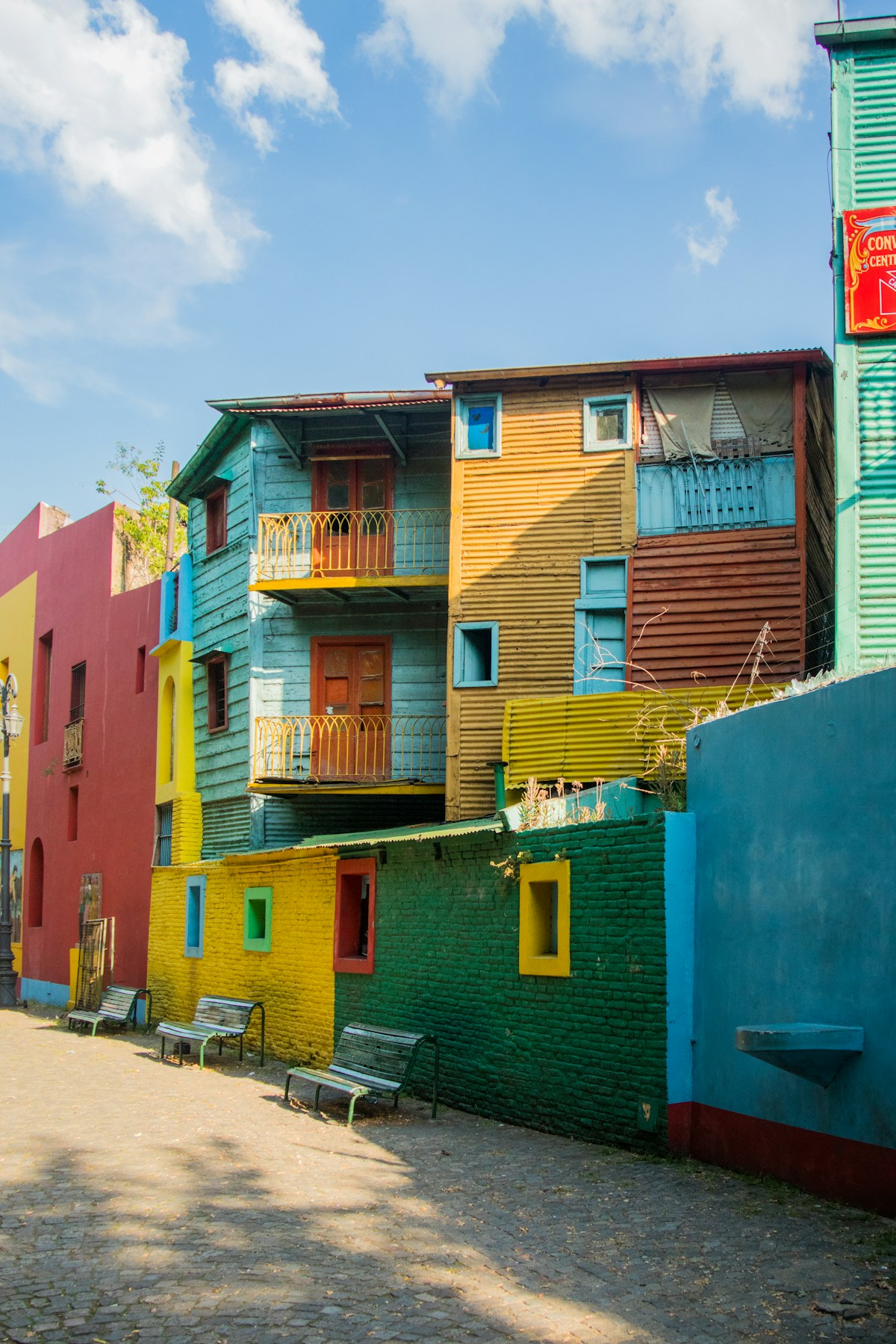
Buenos Aires rewards short visits. Three days is enough to walk the cobblestones of San Telmo, stand before Evita’s tomb in Recoleta, eat your weight in steak, and catch a late-night tango show - all without feeling rushed. This day-by-day itinerary covers the city’s essential neighbourhoods with named hotels, specific restaurants, and real costs as of 2026.
Budget Overview
| Category | Budget | Mid-Range | Luxury |
|---|---|---|---|
| Hotel (per night) | ARS 15,000–25,000 (USD 15–25) | ARS 40,000–80,000 (USD 40–80) | ARS 150,000+ (USD 150+) |
| Meals (per day) | ARS 8,000–12,000 (USD 8–12) | ARS 20,000–35,000 (USD 20–35) | ARS 50,000+ (USD 50+) |
| Transport (per day) | ARS 2,000–4,000 (USD 2–4) | ARS 5,000–10,000 (USD 5–10) | ARS 15,000+ (USD 15+) |
All prices are approximate as of 2026. The Argentine peso fluctuates significantly - check current exchange rates before your trip.
Where to Stay
Budget: Milhouse Hostel (Hipólito Yrigoyen 959, San Telmo) - from ARS 12,000 per night for a dorm bed. Social atmosphere, rooftop terrace, walking distance to Sunday market.
Mid-range: Mine Hotel (Gorriti 4770, Palermo Soho) - from ARS 60,000 per night. Boutique property with a small pool, quiet street location, and excellent breakfast included.
Luxury: Alvear Palace Hotel (Av. Alvear 1891, Recoleta) - from ARS 200,000 per night. The city’s grandest hotel with marble lobbies, butler service, and a world-class spa.
Day 1: San Telmo, La Boca and Puerto Madero
Morning - San Telmo
Start at Plaza Dorrego, the heart of San Telmo. If you arrive on a Sunday, the Feria de San Telmo fills the surrounding streets with antique stalls, leather goods, and street performers from 10am to 5pm. On weekdays, the square is quieter but the permanent antique shops along Calle Defensa are open.
Breakfast at Café San Juan (Av. San Juan 450) - try the medialunas with dulce de leche and a cortado. A breakfast here runs approximately ARS 5,000 (USD 5) as of 2026.
Walk south along Calle Defensa, stopping at the Iglesia de San Pedro Telmo (free entry), one of the city’s oldest churches dating to 1734.
Afternoon - La Boca
Take a taxi or bus (line 29) south to La Boca. The ride takes approximately 15 minutes and costs around ARS 1,500 by bus or ARS 5,000 by taxi.
Walk the Caminito - the open-air street museum lined with colourful corrugated iron buildings. This area is free to walk, though street performers and artists will offer photos for tips. The Museo Benito Quinquela Martín (Av. Pedro de Mendoza 1835) is worth a visit for its collection of port-life paintings - entry is free, with a suggested donation of ARS 2,000.
Important: Stay within the Caminito tourist zone. The surrounding residential streets of La Boca are not recommended for walking.
Lunch at El Obrero (Agustín R. Caffarena 64, La Boca) - a traditional bodegón serving steaks and pasta since 1954. A main course with wine runs approximately ARS 12,000–18,000 (USD 12–18).
Evening - Puerto Madero
Head to Puerto Madero, the redeveloped docklands along the Río de la Plata. Cross the Puente de la Mujer, Santiago Calatrava’s rotating footbridge, then walk south along Dock 3.
Dinner at Cabaña Las Lilas (Alicia Moreau de Justo 516, Puerto Madero) - one of Buenos Aires’ most famous steakhouses. A bife de chorizo with sides and a Malbec runs approximately ARS 35,000–50,000 (USD 35–50) per person. For a more affordable option, try La Parolaccia (Alicia Moreau de Justo 1052) where pasta dishes start from ARS 10,000.
Day 2: Recoleta, MALBA and Palermo
Morning - Recoleta
Begin at the Cementerio de la Recoleta (Junín 1760), open daily 8am–5:45pm. Entry is free. This labyrinth of ornate mausoleums holds the remains of Eva Perón, several presidents, and Nobel laureates. Allow 90 minutes to explore properly - pick up the free map at the entrance.
Afterwards, walk to Café La Biela (Av. Quintana 596) for coffee beneath the enormous gomero tree. An espresso and pastry costs approximately ARS 5,000–7,000.
Visit the Museo Nacional de Bellas Artes (Av. del Libertador 1473) - Argentina’s premier art museum with works by Goya, Rodin, and Argentine masters. Entry is free. Open Tuesday to Friday 11am–8pm, weekends 10am–8pm.
Afternoon - MALBA and Palermo
Take a taxi (approximately ARS 4,000) or walk 25 minutes to MALBA (Av. Figueroa Alcorta 3415), the Museo de Arte Latinoamericano de Buenos Aires. Entry costs approximately ARS 5,000 (USD 5) as of 2026, with half-price admission on Wednesdays. The permanent collection includes works by Frida Kahlo, Diego Rivera, and Xul Solar.
Continue into Palermo Soho for afternoon shopping and coffee. Walk along Calle Armenia and Plaza Serrano (officially Plaza Cortázar), where boutiques, design shops, and cafes cluster.
Coffee at Cuervo Café (Thames 1550) - a Palermo favourite with specialty brews from approximately ARS 3,000.
Evening - Palermo Hollywood
Cross Avenida Juan B. Justo into Palermo Hollywood for dinner. Don Julio (Guatemala 4699) is consistently ranked among the world’s best steakhouses - expect a wait of 1–2 hours without a reservation. A full meal with wine costs approximately ARS 40,000–60,000 (USD 40–60) per person.
More accessible alternative: La Cabrera (José A. Cabrera 5099) serves generous steaks with a spread of complimentary side dishes. Approximately ARS 25,000–35,000 per person.
Day 3: Tigre Delta and Evening Tango
Morning and Afternoon - Tigre Delta
Take the Tren de la Costa from Olivos station or the faster Línea Mitre from Retiro station to Tigre. The Mitre train takes approximately 50 minutes and costs around ARS 500 (as of 2026) with a SUBE card.
At Tigre, board a lanchas colectivas (public river taxi) from the Estación Fluvial to explore the Paraná Delta waterways. A round trip on the public boats costs approximately ARS 2,000–4,000 depending on the route and distance.
Walk the Puerto de Frutos market for local crafts, wicker furniture, and regional food products. Entry is free.
Lunch at Il Novo María Luján de Tigre (Paseo Victorica 611) - riverside dining with river fish and pasta. Mains from approximately ARS 10,000–15,000.
Late Afternoon - Return to Buenos Aires
Take the train back to Retiro (same cost) and rest at your hotel before the evening.
Evening - Tango in San Telmo
For an authentic tango experience, head to El Viejo Almacén (Av. Independencia 299, San Telmo). This historic venue offers dinner-and-show packages from approximately ARS 50,000 (USD 50) or show-only from approximately ARS 30,000 (USD 30) as of 2026. Shows typically start at 8pm or 10pm.
Budget alternative: Free milongas (social tango dances) take place across the city. La Catedral (Sarmiento 4006, Almagro) hosts regular milongas with entry from approximately ARS 3,000, including a beginner lesson at the start.
Getting Around Buenos Aires
The SUBE card is essential - it works on buses (colectivos), the Subte metro, and commuter trains. Buy one at any kiosk for approximately ARS 3,000 (card cost, as of 2026) and top up as needed. Individual metro rides cost approximately ARS 250–400.
Taxis are metered and affordable. A typical cross-city ride runs ARS 4,000–8,000. Use registered yellow-and-black taxis or ride-hailing apps like Uber or Cabify for safety.
Walking is the best way to explore individual neighbourhoods - San Telmo, Recoleta, and Palermo are all compact enough to cover on foot.
What to Pack
Buenos Aires has a temperate climate. Pack layers - mornings and evenings can be cool even in summer (December–February). Comfortable walking shoes are essential for the cobblestone streets of San Telmo. Smart-casual dress gets you into any restaurant without issue.
Final Tips
- Currency: Many restaurants accept credit cards, but markets and smaller shops often prefer cash. ATM withdrawal limits are low - consider bringing USD to exchange at official cambios on Calle Florida.
- Tipping: 10% is standard in restaurants. Round up for taxi drivers.
- Meal times: Argentines eat late. Lunch is typically 1pm–3pm, dinner from 9pm onwards. Arriving at 7pm for dinner means eating alone.
- Steak ordering: Argentines cook steaks well-done by default. If you prefer medium-rare, ask for “jugoso” - and expect it to arrive closer to medium.
Buenos Aires tours - including walking tours, food tours, and the Tigre Delta boat excursion - are an efficient way to cover the city’s highlights with a local guide. If you’re planning a last-minute break, our last-minute tours page shows what’s available in Buenos Aires right now with confirmed spots.
More on Buenos Aires: Buenos Aires city guide · Buenos Aires nightlife · Buenos Aires tango guide · Day trips from Buenos Aires · Tigre
Book Your Trip
- Flights - Find the best fares to Argentina
- Travel Insurance - Get covered before you go
- eSIM - Stay connected from landing
- Airport Transfers - Pre-book your transfer from Buenos Aires (EZE) or Bariloche
- Car Rental - Compare prices across providers
- Tours & Activities - Browse Argentina tours on GetYourGuide