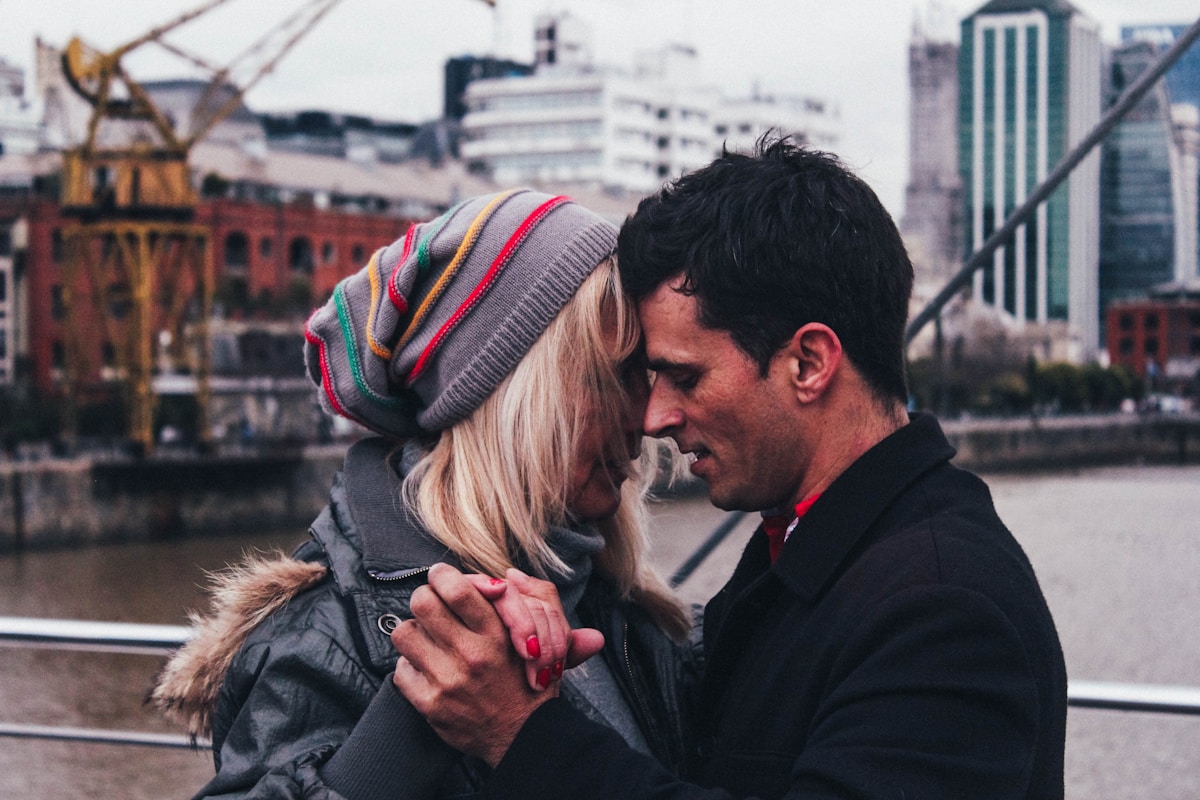
Argentina rewards couples who take their time. Twelve days gives enough room to move slowly — a long lunch at a parrilla that turns into an afternoon, an extra hour watching the sun drop behind the Andes from a terrace in Mendoza, a morning in Bariloche when neither of you wants to leave the hotel. This itinerary covers the three destinations that consistently deliver: Buenos Aires for food, culture, and tango; Mendoza for wine and mountains; Bariloche for lakes, peaks, and one of the most dramatic landscapes in South America. An optional Iguazu Falls extension adds two nights of waterfall spectacle at the end.
When to Go
Spring (October to November) is widely considered the peak honeymoon season. Buenos Aires is warm and flowering, Mendoza’s vineyards are lush after harvest, and Bariloche’s mountain trails are open and uncrowded. November sits at a sweet spot before the December school holiday rush.
Autumn (March to April) is the other strong window. Harvest season in Mendoza means the bodegas are at their most active — pressing grapes, stacking barrels, hosting harvest lunches for guests. Bariloche’s beech forests turn copper and gold across the Andes. Buenos Aires cools to an agreeable temperature after the summer heat.
Avoid January if possible. It is peak Argentine summer: Buenos Aires is hot and humid, Bariloche is flooded with domestic tourists, and prices at good hotels rise significantly.
The Route
Buenos Aires (4 nights) → Mendoza (3 nights) → Bariloche (3 nights) → optional Iguazu Falls add-on (2 nights)
Fly Buenos Aires to Mendoza (1.5 hours); Mendoza to Bariloche (2 hours, usually direct on Aerolíneas Argentinas); Bariloche to Buenos Aires (2.5 hours) for the international departure, or continue to Iguazu Falls via Buenos Aires.
Budget Overview
| Tier | Per person per day (approx.) | What it gets you |
|---|---|---|
| Comfortable mid-range | USD 150-200 | 4-star boutique hotels, parrilla dinners, group wine tours, one private excursion |
| Luxury | USD 350-500+ | Design hotels, private winery lunches, guided glacier treks, tasting menus |
Prices above cover accommodation, food, local transport, and activities — not international flights or domestic airfares between cities.
Days 1-4: Buenos Aires
Buenos Aires is the obvious start for a honeymoon itinerary. The city is built for lingering: long dinners, late evenings, neighborhoods that shift character block by block.
Where to Stay
Luxury: Palacio Duhau - Park Hyatt Buenos Aires in Recoleta occupies a 1930s French-Baroque palace with a wine cellar bar beneath a cobblestone garden. Rates from approximately USD 350 per night.
Mid-range: Casa Cavia in Palermo Chico is a 1920s mansion converted into a boutique hotel with a terrace restaurant and garden. Rates from approximately USD 180 per night. Faena Hotel Buenos Aires in Puerto Madero offers theatrical design and strong river views at around USD 280-350 per night.
Comfortable budget: Caseron Porteno in San Telmo or Home Hotel in Palermo offer character without the premium, from approximately USD 90-130 per night.
Day 1: Arrival and Palermo
Land at Ezeiza (EZE), take a pre-booked transfer to your hotel (approximately 45 minutes), and give yourselves the afternoon to settle. Palermo Soho and Palermo Hollywood are good first-evening neighbourhoods — the streets are calm enough to walk, the restaurant density is high, and the pace is relaxed.
Dinner: Mishiguene on Lafinur serves Argentine cuisine with Middle Eastern and Eastern European Jewish heritage influences. Booking essential, USD 40-60 per person without wine.
Day 2: San Telmo and La Boca
San Telmo’s cobblestoned streets, antique shops, and tango history make it the most atmospheric neighborhood for a romantic morning walk. The Sunday market on Plaza Dorrego draws crowds, but a weekday visit is quieter. La Boca’s Caminito — the famous narrow street lined with corrugated iron and bright paint — is best in the morning before tour buses arrive.
Lunch: La Brigada on Estados Unidos in San Telmo is a Buenos Aires parrilla institution. Order the tira de asado (short rib) and split a bottle of Malbec. Expect to pay approximately USD 35-50 per person.
Evening: Book a tango dinner show. Café de los Angelitos on Rivadavia (approximately USD 100-130 per person including dinner and show) performs in a beautifully restored 1890s café. For a more intimate experience, Esquina Carlos Gardel in Abasto (approximately USD 80-100 per person) stages shows in the neighborhood where Gardel himself lived.
Day 3: Recoleta and MALBA
Morning: MALBA (Museo de Arte Latinoamericano de Buenos Aires) in Palermo holds one of Latin America’s strongest collections of twentieth-century art. The permanent collection — Frida Kahlo, Xul Solar, Antonio Berni — typically takes 90 minutes. Closed on Tuesdays.
Afternoon: Recoleta Cemetery, where Eva Perón is buried alongside Argentine presidents and military figures in elaborate mausoleums. The scale and theatrical architecture of the tombs are remarkable. Entry is free.
Dinner: Don Julio on Guatemala in Palermo is consistently rated among Buenos Aires’ best parrillas and appeared on Latin America’s 50 Best list. Book weeks in advance if coming in peak season. Expect USD 50-70 per person with wine.
Day 4: Tango Lesson and Puerto Madero
Morning: A private tango lesson for two is one of the most genuinely memorable experiences in Buenos Aires. La Catedral on Sarmiento in Almagro offers lessons in a rambling warehouse space and is more authentic than tourist-oriented schools. One-hour private lessons run approximately USD 40-60 per couple.
Afternoon: Walk Puerto Madero along the restored dock waterfront. The Puente de la Mujer — the white cable-stayed pedestrian bridge by Santiago Calatrava — is the most photogenic spot in the neighbourhood.
Evening: A milonga (tango social dance) for a final Buenos Aires night. La Viruta in Palermo draws a mixed local and visitor crowd; entry is approximately USD 10-15 per person.
Days 5-7: Mendoza
Fly Buenos Aires to Mendoza (approximately 1.5 hours, multiple daily departures on Aerolíneas Argentinas and LATAM). Mendoza is Argentina’s wine capital: 1,500 metres above sea level, with the snow-capped Andes as a backdrop to every vineyard.
Where to Stay
Luxury: The Vines Resort and Spa in the Uco Valley is set among 1,500 acres of private vineyard at 1,050 metres altitude. Rates from approximately USD 500-700 per villa per night, including breakfast and wine tours on the estate. One of Argentina’s most acclaimed couple-focused stays.
Mid-range: Park Hyatt Mendoza on Plaza Independencia sits in the city centre and offers a spa, rooftop pool, and easy access to restaurants. Rates from approximately USD 180-250 per night. Diplomatic Hotel in Mendoza city is a comfortable alternative at USD 120-160 per night.
Budget-friendly with character: Cavas Wine Lodge in Luján de Cuyo offers pool villas with Andes views at approximately USD 300 per night — a stretch above mid-range but a strong honeymoon splurge for one or two nights.
Day 5: Luján de Cuyo Bodegas
Arrive midday. The afternoon belongs to Luján de Cuyo, the traditional wine sub-region closest to Mendoza city.
Bodega visit: Clos de los Siete groups seven boutique producers in a shared valley. Tastings are offered at individual estates — Monteviejo, Cuvelier Los Andes, and Fleur de Malbec are the strongest. A remise (hired driver) costs approximately USD 40-60 for a half-day from the city.
Dinner in Mendoza: Azafrán on Sarmiento is one of Mendoza’s most respected wine-focused restaurants, with a list of 200+ labels. Expect USD 40-60 per person with wine.
Day 6: Private Uco Valley Wine Experience
The Uco Valley, 75km south of Mendoza city, is where the high-altitude viticulture that defines modern Argentine wine happens. A private guided day tour — driver plus sommelier guide — costs approximately USD 200-300 per couple and typically includes two or three bodegas, a winery lunch, and tastings of reserve and Gran Reserva wines not available elsewhere.
Recommended bodegas for couples: Zuccardi Valle de Uco was voted the world’s best winery in 2019 and still operates at that standard. Achaval Ferrer near Tupungato is smaller and more intimate. Clos Apalta (if the budget allows) offers one of the finest private tastings in the valley.
Winery lunch: Most high-end Uco Valley bodegas offer set-menu lunches paired with their wines for approximately USD 80-150 per person. Book in advance — tables at Zuccardi fill months ahead in peak season.
Day 7: Thermal Spa and Andes Foothills
An off-day before flying to Bariloche. The Termas Cacheuta hot spring resort (45 minutes from Mendoza, approximately USD 40-60 per person for day access) offers thermal pools with Andes mountain views — an ideal morning for tired wine-touring legs.
Afternoon: Walk the city centre, visit the Mercado Central on Las Heras for lunch provisions, and explore Parque General San Martín, Mendoza’s large lakeside park with mountain views.
Days 8-10: Bariloche
Fly Mendoza to Bariloche (approximately 2 hours, direct or via Buenos Aires depending on the day). San Carlos de Bariloche sits on the southern shore of Lago Nahuel Huapi, surrounded by Andean peaks. It has the feel of a Swiss mountain village transplanted to Argentina — chocolate shops, wood-panelled hotels, and lake views at every turn.
Where to Stay
Luxury: Llao Llao Hotel and Resort is Argentina’s most iconic mountain hotel, set on a peninsula between Lago Nahuel Huapi and Lago Moreno with its own private beach. The 1939 Bustillo-designed building is unmistakable. Rates from approximately USD 350-600 per night. Book well in advance for spring and summer.
Mid-range: El Casco Art Hotel on the lakeside offers boutique rooms with balconies and lake views from approximately USD 180-250 per night. Charming and art-focused, it is a strong alternative to the Llao Llao for couples who want intimacy over scale.
Comfortable options: Aldebaran Hotel and Spa on the lakefront in town, from approximately USD 120-160 per night, offers spa access and lake views at a more accessible price point.
Day 8: Circuito Chico and Lago Nahuel Huapi
The Circuito Chico is a 60km loop past Bariloche’s most photogenic lake and mountain points — Punto Panorámico, Bahía López, and Brazo de la Tristeza. By bicycle (rentals approximately USD 20-30 per day) or remise. The route takes 4-6 hours by bike and 2-3 hours by car.
Afternoon: Take the Cerro Otto gondola (approximately USD 25 per person return) for sunset views over the lake and mountains.
Dinner: Cassis on Ruta Vieja to Llao Llao serves Patagonian lamb, trout, and venison with lake views. Approximately USD 50-70 per person. The single most consistently recommended couple’s restaurant in Bariloche.
Day 9: Trekking to Refugio Frey
For couples who want mountains, Refugio Frey is one of Patagonia’s finest half-day treks with a strong payoff: a glacier lake surrounded by granite spires, 11km from the Cerro Catedral ski resort base.
Logistics: Taxi or remise to Cerro Catedral (approximately USD 15-20 each way). The trail climbs 700 metres over 3.5-4 hours. No guide required — the path is well-marked.
Alternative for non-hikers: A private boat excursion on Lago Nahuel Huapi to Puerto Blest takes a full day and covers some of the most dramatic lake and forest scenery in Patagonia. Tours cost approximately USD 100-150 per person and include a short hike to a waterfall.
Day 10: Chocolate, Kayaking, and a Last Bariloche Evening
Morning: Bariloche’s chocolate tradition traces to Swiss and German immigrants who arrived in the early twentieth century. Rapa Nui on Mitre is the best-known chocolatier; Del Turista nearby is equally excellent. Pick up provisions for the flight.
Afternoon: A guided kayak tour on Lago Nahuel Huapi (approximately USD 60-80 per person, 3 hours) is available through operators including Aguas Blancas — calmer than the trekking day and spectacular from water level.
Final dinner: El Boliche de Alberto on Villegos is Bariloche’s go-to parrilla — simple, unapologetic meat, and very good. Approximately USD 30-40 per person.
Optional Add-On: Days 11-12 at Iguazu Falls
Fly Bariloche to Puerto Iguazú (approximately 4-5 hours via Buenos Aires; the connection often requires a long Buenos Aires layover or an overnight). Two nights at the falls is ideal — one day on the Argentine side, one day on the Brazilian side.
Where to Stay: Loi Suites Iguazu sits inside the Argentine national park and is the most coveted address, with jungle views and private access to the park before tourist crowds arrive. Rates from approximately USD 300-400 per night. Sheraton Iguazu Resort is also inside the park at slightly lower rates (from approximately USD 220-280 per night).
Day 11: The Argentine side of Iguazu Falls. The national park trail network allows you to walk within metres of the cataracts. The Garganta del Diablo (Devil’s Throat) boardwalk — a 1.2km walkway over the river to the edge of the main falls — is the centrepiece. Allow 4-5 hours for the upper circuit, lower circuit, and Garganta del Diablo combined.
Day 12: The Brazilian side in Foz do Iguaçu (30-minute taxi to the international border). The Brazilian panoramic view shows the full sweep of the falls in a way the Argentine side cannot — essential context for what you experienced the day before. Return to Puerto Iguazú for the evening flight to Buenos Aires and international departure.
Practical Notes
Booking domestic flights: Book Aerolíneas Argentinas domestic legs at the same time as international flights. Prices rise sharply closer to departure on El Calafate, Bariloche, and Iguazú routes. Aim to book 3-4 months in advance for spring and summer travel.
Airport transfers: Pre-book transfers from Buenos Aires Ezeiza (EZE) — the journey into the city takes 45-60 minutes and having a driver waiting avoids the taxi scramble on arrival after a long international flight.
Currency: Argentina’s currency situation changes frequently. Research current conditions — peso blue rate, card acceptance, availability of dollars — in the weeks immediately before departure. This is one travel planning step that cannot be done months in advance.
Restaurants: Buenos Aires’ best restaurants fill 4-6 weeks in advance in high season. Don Julio, Tegui, and Mishiguene all require advance booking. Mendoza and Bariloche are easier to book closer to the date.
Language: Spanish is the language throughout. Buenos Aires hotels, Mendoza bodegas catering to wine tourists, and Bariloche’s tourism infrastructure all have strong English. A few words of Spanish — especially at restaurants — is always received warmly.
Browse romantic Argentina tours for couples to find guided itineraries, private day tours, and wine experiences across Buenos Aires, Mendoza, and Patagonia.
Book Your Trip
- Flights - Find the best fares to Argentina
- Travel Insurance - Get covered before you go
- eSIM - Stay connected from landing
- Airport Transfers - Pre-book your transfer from Buenos Aires (EZE)
- Car Rental - Compare prices across providers
- Tours and Activities - Browse Argentina tours on GetYourGuide