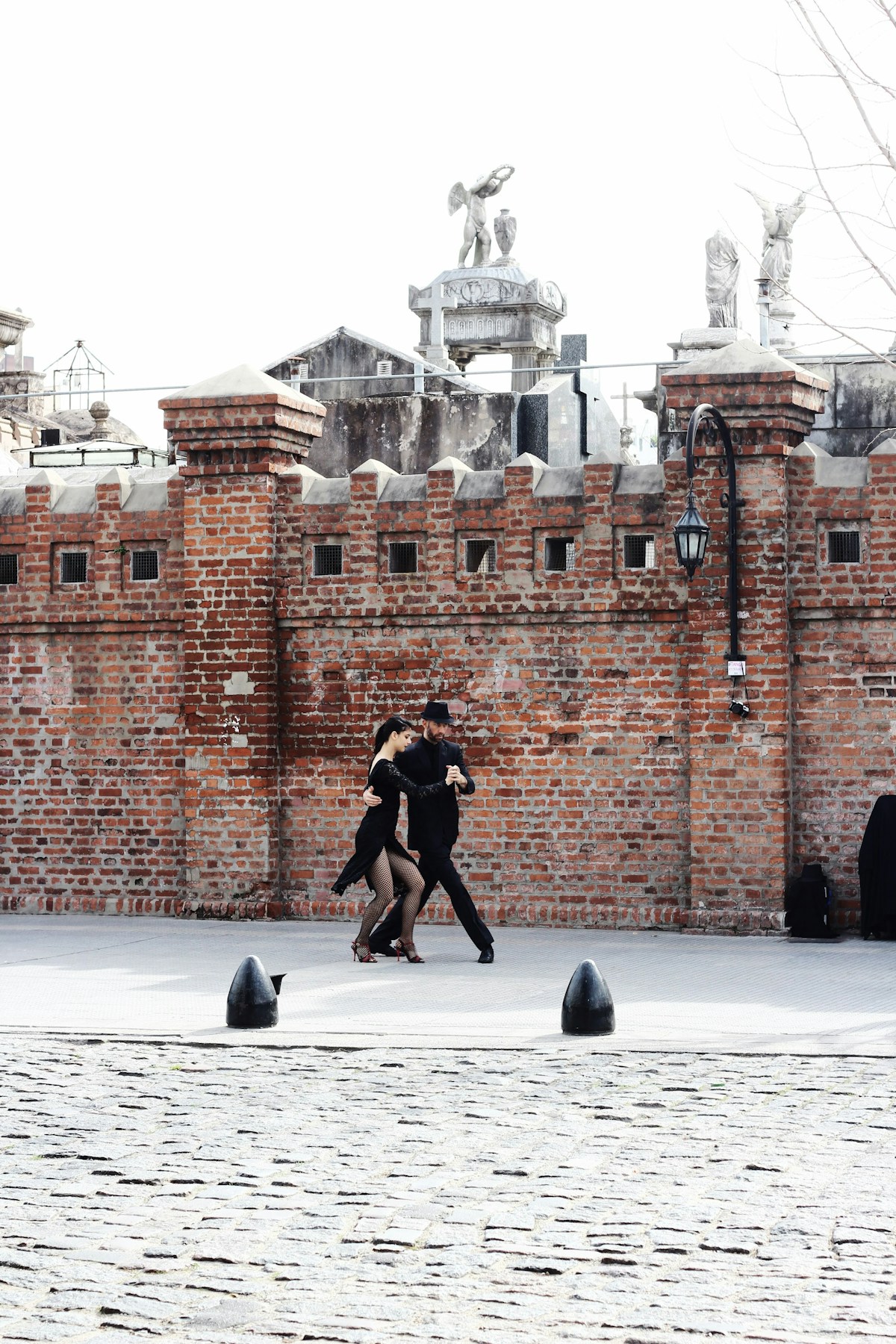
Tango is the music and dance form that Buenos Aires is most identified with internationally, and experiencing it here has a different quality from seeing it performed anywhere else. The city is where it was created, where it continued to evolve, and where the social milonga culture that sustains it as a living practice remains active.
Understanding the difference between the main ways of engaging with tango helps you choose what actually fits your interests.
Stage Shows (Tango Espectáculo)
Professional tango shows are choreographed theatrical performances featuring skilled dancers, singers, and a live orchestra or ensemble. They’re designed for visitors rather than participants. The quality ranges considerably - from polished productions at historic theatres to lower-budget tourist-facing shows in San Telmo restaurants.
What to expect: Shows typically run 90 minutes to two hours. Dinner-show packages include the meal (usually a standard set menu) before the performance. The dancing itself is high-level - professional tango choreography is genuinely impressive to watch.
Notable venues:
- Café de los Angelitos - A restored confitería in the Almagro barrio with an excellent tango show running six nights a week. One of the most atmospheric settings in the city.
- Rojo Tango - At the Faena Hotel in Puerto Madero; high production values and a sophisticated atmosphere.
- El Querandi - In the city centre near Florida Street; combines tango and a historical narrative about Buenos Aires.
- La Esquina de Carlos Gardel - Near the Abasto shopping centre in Almagro; in the neighbourhood where the iconic tango singer Carlos Gardel was based.
Booking: Book in advance, especially for dinner-show packages. Most venues have websites; many also sell through guided tours in Buenos Aires that bundle tango shows with transport and neighbourhood walks.
Milongas: Social Tango
A milonga is a social dance event where people dance tango together. This is tango as it exists as a living culture rather than a performance art. Milongas operate across Buenos Aires most nights of the week, ranging from afternoon sessions (matinée milongas) to late-night events that run until 3–4am.
The atmosphere at a milonga is formal in a specific way - dress codes exist (smart casual at minimum; many milongas expect formal dress), and there is an etiquette around how partners invite each other to dance. The traditional method is the cabeceo: a subtle eye-contact-and-head-nod exchange across the room. Verbally asking strangers to dance is considered gauche in traditional milongas.
Good milongas for visitors:
- Confitería Ideal - A historic café in the Microcentro with regular milongas. The decaying grandeur of the space is part of the appeal.
- Milonga La Catedral - Palermo; a less formal milonga in an unusual space (an old factory), popular with a younger crowd and friendlier to beginners.
- El Beso - San Telmo; traditional milonga with a more experienced crowd.
- Club Gricel - La Boca; one of the oldest continuously operating milongas in the city.
Tango Classes
Taking a tango lesson or two before attending a milonga transforms the experience from spectator to participant. Classes in Buenos Aires run at all levels, from complete beginners to advanced followers and leaders.
Formats:
- Group classes - Offered at many milonga venues, often as a preliminary hour before the social dancing begins. Free or low cost with milonga entry.
- Private lessons - Range from $30–80 USD/hour with local teachers depending on their reputation. Worth doing if you want concentrated improvement.
- Workshops - Multi-day workshops at studios in Palermo and San Telmo; suitable if you’re staying a week or more and want to make real progress.
Practicas are informal practice sessions (rather than full milongas) where you can work on steps without the formal etiquette rules applying. Good for building confidence before a proper milonga.
Free Tango
Tango performances occur in public spaces regularly. The Sunday market at Plaza Dorrego in San Telmo typically includes tango demonstrations in the square and on Caminito in La Boca. These are informal and free; the quality varies. At Caminito, the performances are aimed at tourists; the plaza Dorrego demonstrations tend to be by genuine practitioners.
The Music
Tango music divides broadly into the traditional Golden Age recordings (1935–1955, associated with orchestras like those of Carlos Di Sarli, Juan D’Arienzo, and Aníbal Troilo) and later nuevo tango developments (associated with Ástor Piazzolla from the 1960s onward). Most milongas play traditional Golden Age music; the dancer community generally prefers it for social dancing. Piazzolla’s work is more often performed in concert settings.
Listening to the music before visiting helps significantly - Buenos Aires has numerous tango radio stations and streaming playlists that give you context.
See also: Buenos Aires travel guide · Tango shows and tours in Buenos Aires · Buenos Aires nightlife guide · Buenos Aires street art · Things to do in Buenos Aires