Most travellers to Argentina start - and sometimes end - in Buenos Aires. Far fewer think to add Córdoba to the itinerary, which is a mistake. Argentina’s second city has its own distinct character: a university town with colonial architecture, a restaurant scene worth the trip on its own, and a reputation for warm hospitality that locals call la cuartetazo energy. This comparison breaks down both cities on what actually matters when choosing where to spend your limited Argentina time.
Overview
Buenos Aires is Argentina’s capital and financial, cultural, and creative hub. With 3 million people in the city proper and 15 million in the metro area, it’s one of South America’s most significant cities. Its European-influenced architecture, world-class restaurants, football obsession, and tango tradition give it depth that’s hard to exhaust in a week. For many travellers, Buenos Aires is the trip.
Córdoba is Argentina’s second city, with about 1.4 million people, sitting in the centre of the country at about 700 km northwest of Buenos Aires. It’s a university town - the Universidad Nacional de Córdoba, founded in 1613, is one of the oldest in the Americas - and that student population gives the city a youthful, nocturnal energy. The historic Jesuit Block (Manzana Jesuítica, a UNESCO World Heritage Site) is the architectural centrepiece. The surrounding Sierras Chicas hills and Córdoba province offer estancias, rock art, and trails.
Getting There
From Buenos Aires to Córdoba: Flights take about 1 hour 20 minutes; Aerolíneas Argentinas, Flybondi, and Aerochaco fly the route for approximately USD 40–120. Overnight buses from Retiro Bus Terminal take 9–10 hours; Flecha Bus and Grupo Plaza are the main operators. Fares run approximately ARS 14,000–22,000 (as of 2026). For a budget overnight route, the bus is genuinely comfortable - semitama and cama options recline to near-flat.
Within each city, both have sufficient public transport. Buenos Aires has the Subte subway plus a dense bus network. Córdoba’s central area is highly walkable; buses serve the outer barrios and the historic Jesuit circuit is easily covered on foot.
Things to Do
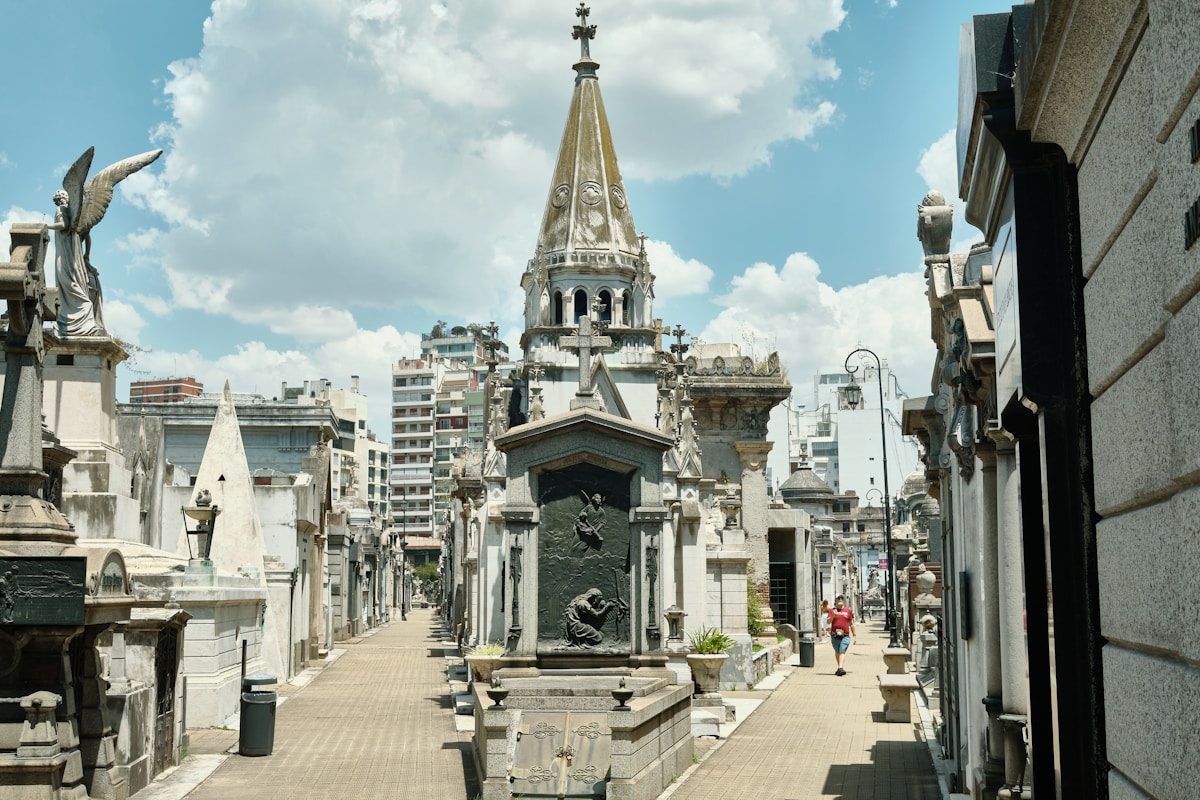
Buenos Aires rewards neighbourhood-by-neighbourhood exploration. Palermo Soho’s brunch scene, the weekend feria at Parque Rivadavia, an evening tango milonga at Club Atlético (free to watch, cover charge to dance), the Recoleta Cemetery (free, open daily 8am–6pm) - the city provides more than you’ll have time for on a first trip. Guided tours in Buenos Aires are a practical way to cover the key barrios quickly if your time is limited. The MALBA museum of Latin American art charges approximately ARS 4,000 and is genuinely excellent. The neighbourhoods of Villa Crespo and Chacarita have become the creative-class alternatives to Palermo over the past five years, with better coffee and fewer tourists. Football: the Superclásico between Boca Juniors and River Plate is difficult to get legal tickets for, but most games at La Bombonera are accessible through registered agencies for approximately USD 50–120.
Córdoba is built around the Manzana Jesuítica, which includes the original university buildings and two colonial Jesuit churches - all walkable from the central Plaza San Martín. Entry to the Jesuit Block complex costs approximately ARS 2,500 (as of 2026; confirm on arrival). The Mercado Norte, a covered market selling fresh produce, cheese, and local meats, is a good early morning stop. Barrio Güemes is the antiques-and-crafts equivalent of San Telmo, with a weekend craft fair along Pasaje Santa Catalina. Day trips from Córdoba: Villa General Belgrano (a German-immigrant village in the Calamuchita valley, 85 km south) and the Camino de las Estancias route through Jesuit estancia complexes in the sierras are both worth a full day. See our Córdoba things to do guide for the full rundown.
Food and Drink
Buenos Aires competes at the top end. La Cabrera, Don Julio, El Preferido de Palermo - these are restaurants people plan international trips around. Expect ARS 15,000–30,000 per person at the top tier. Mid-range is excellent too: Osaka for Nikkei-Peruvian cuisine, Chori for creative choripán, and El Federal in San Telmo for an old-school bodegón feel. The craft beer scene (Antares, La Maldita Madre) is well-developed across the city.
Córdoba punches well above its size for food. The city has a strong Italian immigrant food heritage: Córdoba-style pizza has a thick, airy base that differs distinctly from Buenos Aires-style pizza. La Nieta de la Pancha in Güemes is considered one of the best empanada spots in Argentina - Córdoba empanadas are slightly spicier and often contain potato. Restaurant El Papagayo on the historic centre is the landmark experience for traditional cordobesa cuisine. The bar scene along Avenida Vélez Sársfield runs late, consistent with the student population. Average mid-range meal: approximately ARS 6,000–12,000.
Where to Stay
Buenos Aires has accommodation at every tier. Palermo Soho is the most popular mid-range base: boutique hotels from approximately USD 60–130, excellent breakfast options, and walkable nightlife. San Telmo is good for a more historic feel: Mansion Dandi Royal from approximately USD 90–130. The Alvear Palace in Recoleta (approximately USD 350–500+) remains the city’s most storied hotel.
Córdoba is more affordable. The best boutique option is in the historic centre: Hotel Azur Real charges approximately USD 80–120. NH Córdoba Panorama on the main boulevard runs approximately USD 100–150. Budget guesthouses and hostels near the university cluster in the Nueva Córdoba neighbourhood at approximately ARS 8,000–14,000 per night for a private room. Prices are notably lower than Buenos Aires equivalent tier.
Budget
Córdoba is cheaper across the board. A comfortable day in Buenos Aires (mid-range hotel, two meals, activity, transport) runs approximately USD 80–130. The equivalent in Córdoba costs approximately USD 50–90. The gap in restaurant prices is particularly notable: Buenos Aires’s best restaurants cost 40–60% more than comparable quality in Córdoba.
The Verdict
Choose Buenos Aires for your first Argentina trip, a city-focused itinerary, nightlife, theatre, football, and international-level dining. A minimum of 4–5 days.
Add Córdoba if you’re spending more than 10 days in Argentina, want to experience an Argentine city without the Buenos Aires tourist layer, or are interested in Jesuit colonial history and the sierras. Two to three days is enough to see the city properly, with a day trip to the hills.
The honest answer for most Argentina itineraries: Buenos Aires is the entry point and Córdoba is the diversion worth making. They’re different enough that the comparison almost answers itself - Buenos Aires is the headline; Córdoba is the discovery.