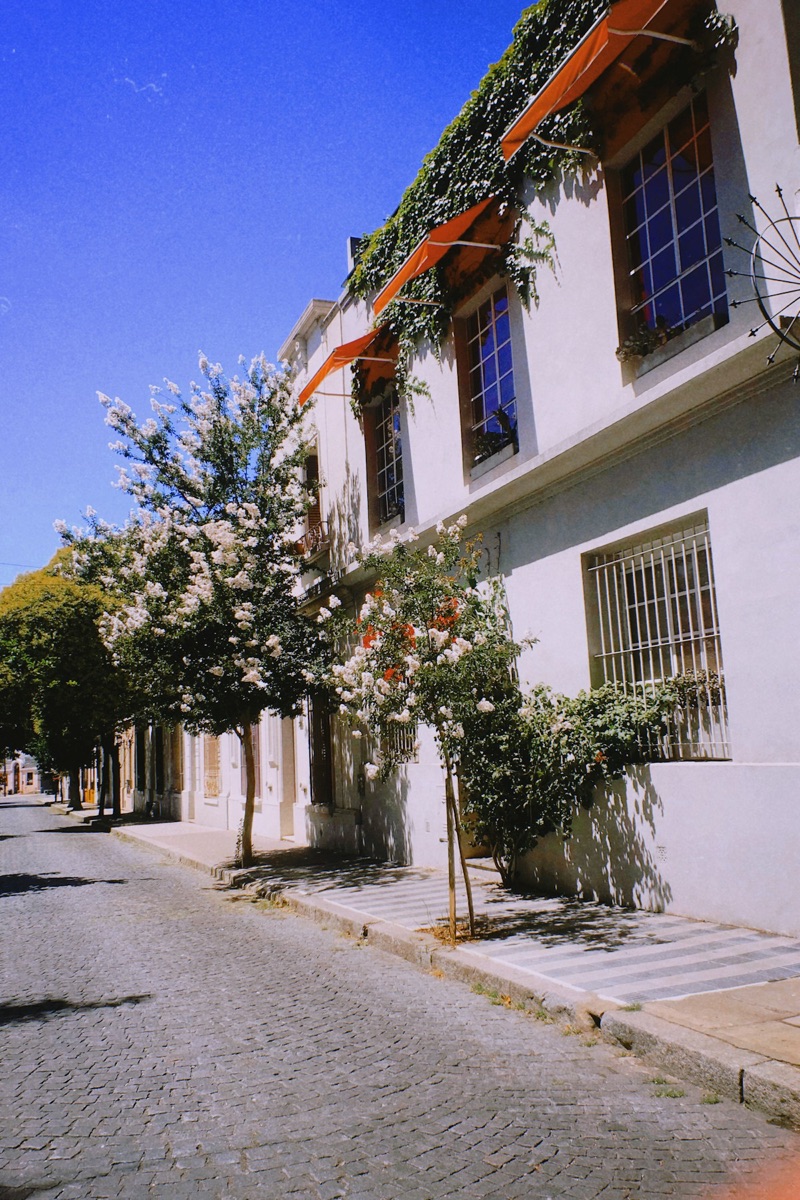
Rosario is the city Argentine travellers recommend to each other but that international visitors rarely include. Argentina’s third city - the birthplace of Lionel Messi and Che Guevara, a major Paraná River port, and a food and nightlife scene that locals argue rivals Buenos Aires - gets overlooked partly because it sits in Buenos Aires’ shadow and partly because there’s no iconic sight that makes it an obvious stop. That’s an accurate assessment of the problem and an incomplete reason to skip it. This comparison helps you decide whether Rosario deserves a place in your Argentina itinerary.
Overview
Buenos Aires is Argentina’s capital and largest city, with 3 million people in the city proper and 15 million in the metro area. European architecture, world-class restaurants, a football culture that borders on religion, tango, and an energy that runs until 4am in Palermo’s bars - this is the Argentina most of the world imagines. It’s where international flights land and where most travellers begin and end.
Rosario is Argentina’s third city, with around 1.2 million people on the west bank of the Paraná River in Santa Fe province, 300 km northwest of Buenos Aires. It has a legitimate claim to having produced more Argentine cultural exports per capita than anywhere else: Messi was born in Barrio Las Heras; Guevara’s birth certificate is registered here (he was actually born in Rosario by most accounts, though long claimed to be Buenos Aires). The Monumento a la Bandera on the river edge - where the Argentine flag was first raised - is the main landmark. But Rosario’s real appeal is its everyday texture: a well-functioning mid-sized Argentine city with good food, a riverside boulevard (the Costanera), and a music scene that’s punched above its weight for decades.
Getting There
From Buenos Aires to Rosario:
- Bus: 3.5 to 4 hours from Retiro Bus Terminal (Flecha Bus, Grupo Plaza, El Rápido); fares approximately ARS 8,000–14,000 as of 2026. The bus is comfortable and frequent - services run almost hourly throughout the day.
- Flight: Aerolíneas Argentinas flies Aeroparque (AEP) to Rosario (ROS); approximately 1 hour. Fares from approximately USD 50–100. Overkill for a 300 km trip, but useful if connecting further north.
- Car: The Autopista Rosario-Buenos Aires (Route 9/Highway A008) takes 3 to 3.5 hours depending on traffic; toll charges approximately ARS 3,000–5,000 each way.
Within Rosario, the city centre is highly walkable. Buses serve the outer barrios; taxis are affordable.
Things to Do
Buenos Aires rewards weeks of exploration. The weekend feria in San Telmo (running down Defensa Street), the Recoleta Cemetery (free, open daily 8am–6pm), MALBA museum of Latin American art (approximately ARS 4,000), the coloured conventillos of La Boca, Palermo’s restaurant strip - first-timers cover this circuit over 4–5 days. Beyond the tourist layer: a tango milonga at Club Gricel in San Telmo (entry approximately ARS 4,000–6,000) or Bar Sur, a Superclásico or any División A football match, the vintage bookshops of Av. Corrientes, and the weekend design market at Plaza Serrano all add texture. Buenos Aires is one of those cities where the longer you stay, the more you find. See our Buenos Aires things to do guide for the full list.
Rosario moves at a different pace. The Monumento a la Bandera (National Flag Memorial, on the Paraná riverfront) is the architectural centrepiece - the tower elevator gives views over the river to the Paraná Delta islands (entry approximately ARS 1,500). The Costanera Norte and Sur parks run for kilometres along the riverbank - free, open, and where porteños rosarinos spend their weekends. The Museo de Arte Contemporáneo Rosario (MACRO, in a former grain silos building) is free on Saturdays and charges approximately ARS 1,500 otherwise. The Mercado del Pueblo on Fridays and Saturdays (at Parque Independencia, Rosario’s main park) has food, craft beer, and live music. For Messi pilgrims: the house where he grew up on Calle Estado de Israel is a photo stop only - there’s no museum inside. The Che Guevara birthplace (Calle Entre Ríos 480) has a small memorial. See our Rosario things to do guide for full details.
Food and Drink
Buenos Aires competes internationally. Don Julio (Palermo), La Cabrera (Palermo), and El Preferido are the parrilla benchmarks at approximately ARS 15,000–30,000 per person. The city’s Nikkei cuisine (Osaka, Sipan), the Italian-Argentine bodegón tradition in San Telmo and La Boca, and the modern Argentine tasting menus at Chila and Elena represent three distinct high-points. Mid-range is excellent too - a neighbourhood pizza in Villa Crespo costs approximately ARS 4,000–7,000 and consistently beats most Argentine pizza you’ll eat elsewhere.
Rosario’s food scene is the city’s strongest argument. Rosarinos are serious about their restaurants, and the lack of international tourist pricing keeps the quality-to-cost ratio high. El Viejo Balcón and La Estancia de los Amigos are reliable parrilla picks; Los Pocillos on Calle San Juan is a long-standing favourite for pizza. The riverside restaurants along Costanera Norte serve fish from the Paraná (dorado, surubí, boga) - this is excellent and more difficult to find in Buenos Aires at comparable quality. Average mid-range meal: approximately ARS 7,000–13,000 per person. Craft beer and cocktail culture in Pichincha (Rosario’s hipster barrio) rivals anything in Palermo. See our Rosario food guide for specific picks.
Where to Stay
Buenos Aires has the country’s largest accommodation spread. Palermo Soho or Palermo Hollywood for boutique hotels (approximately USD 70–130); San Telmo for historic atmosphere (Mansion Dandi Royal from approximately USD 90–130); Recoleta for old-world grandeur (Alvear Palace from approximately USD 350–500+). First-timers do best in Palermo - central to restaurants, manageable to navigate.
Rosario has fewer international-brand options but solid independent hotels. Hotel Esplendor Rosario on Calle San Lorenzo is a reliable mid-range in the centre at approximately USD 70–110. Los Robles on Boulevard Oroño runs approximately USD 80–120. Budget guesthouses and hostels cluster around the centre and near the Universidad Nacional at approximately ARS 8,000–13,000 for a private room. Prices are noticeably lower than Buenos Aires.
Budget
Rosario is around 25–35% cheaper than Buenos Aires across meals, accommodation, and activities. A comfortable day in Buenos Aires - mid-range hotel, two meals, museum, transport - runs approximately USD 90–140. The same day in Rosario runs approximately USD 60–100.
The Verdict
Buenos Aires is non-negotiable for most Argentina trips. It’s the international gateway, the cultural flagship, and the place that justifies the long-haul flight from Europe or North America on its own. If you have only a day or two before heading north to Rosario, Buenos Aires city tours let you cover the main barrios efficiently without navigating the Subte on a tight schedule.
Add Rosario if: you have 7+ days in Argentina, you want to see an Argentine city functioning on its own terms rather than as a tourist product, or you’re interested in food, nightlife, and the Paraná riverfront. A weekend is enough to get the measure of it.
Rosario also works well as a day trip from Buenos Aires - the 3.5-hour bus makes it possible - but staying one or two nights gives you time for a proper Costanera sunset, dinner in Pichincha, and a morning market visit. It’s the kind of city that rewards the extra day.