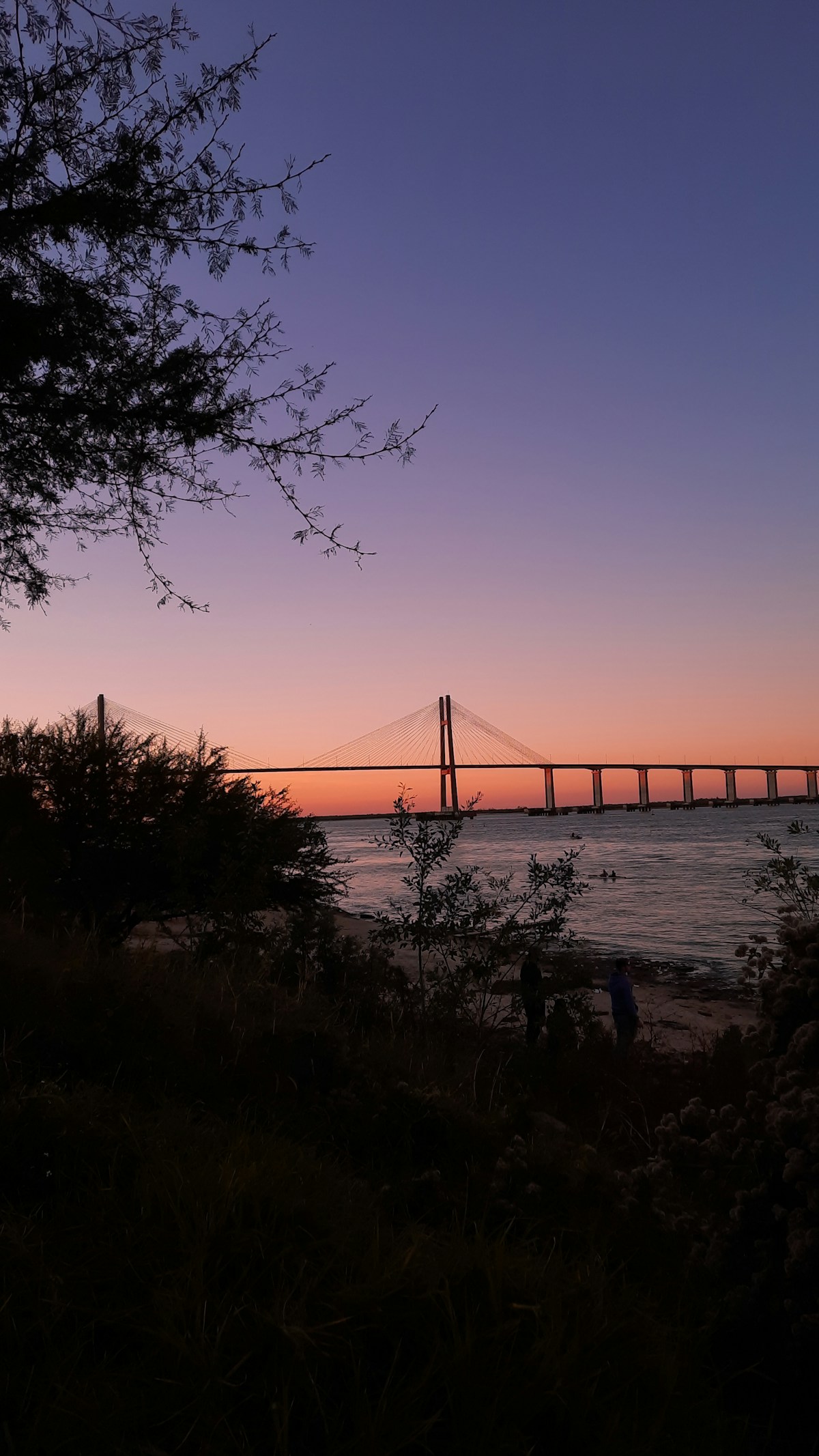
Rosario is Argentina’s third-largest city and, in many ways, its most underrated. Sitting on the western bank of the Paraná River - the second-longest river in South America - the city of 1.2 million people has a 7-kilometre riverside park, one of the country’s most important national monuments, a dense arts and theatre scene, and no shortage of excellent places to eat. It also happens to be the birthplace of both Lionel Messi and Che Guevara.
Unlike Buenos Aires, Rosario doesn’t pitch itself aggressively to tourists, which means the experience of walking its streets, eating in its parillas, and sitting on the costanera feels genuinely Argentine rather than curated for outsiders.
Monumento Nacional a la Bandera
The most important site in Rosario is the Monumento Nacional a la Bandera (National Flag Monument), the massive stone complex on the Paraná riverfront where General Manuel Belgrano first raised the Argentine flag on 27 February 1812. The monument was completed in 1957 and dominates the riverfront - its colonnade, the eternal flame, and the bronze reliefs are worth at least an hour.
A tower at the centre of the complex offers panoramic views over the river and the city. Entry to the grounds is free; the tower lift has a small fee (approximately ARS 3,500 as of 2026). The monument is busiest on 20 June (Flag Day, a national holiday) when ceremonies draw large crowds.
Costanera Sur and Parque de España
The riverfront park runs south from the monument for several kilometres. Parque de España sits just south - a Spanish cultural centre built into the river embankment, with galleries, a concert hall, and an outdoor café terrace right on the water. Free exhibitions run year-round.
Walking or cycling the costanera is one of Rosario’s best free activities. Locals come here to jog, sit on the grass, and watch the river traffic. Bike hire is available at several points along the waterfront (approximately ARS 2,500–4,000 per hour as of 2026).
Parque Independencia
Inland from the centre, Parque Independencia is Rosario’s main urban green space - 126 hectares with a rose garden, a lake with rowing boats, a football stadium (Estadio Marcelo Bielsa), the Museo de la Ciudad, and the Museo de Bellas Artes Juan B. Castagnino. The Castagnino holds a substantial permanent collection of Argentine and European art, with free entry on Wednesdays.
The park is busiest at weekends, when families picnic and musicians set up in the rose garden. It’s a 20-minute walk from the city centre or a short taxi ride (approximately ARS 2,000–3,000 as of 2026).
Mercado del Patio and the Güemes District
The Barrio Güemes neighbourhood south of the centre has become Rosario’s antiques and design district. The Mercado del Patio - a converted 19th-century building - runs as an artisan and food market on weekends, with produce stalls, street food, and craft vendors. On Saturday mornings the surrounding streets fill with an outdoor antiques market (El Pasaje de la Plaza) that’s among the best in Argentina for vintage finds.
Güemes is also a good neighbourhood for restaurants, cafés, and independent bookshops. The streets around the market have a noticeably different atmosphere from the Centro.
Messi’s Rosario
Lionel Messi was born in Rosario in 1987 and grew up in the city before moving to Barcelona at 13. The neighbourhood of Las Heras, where his family home sits, is a 30-minute walk or short taxi from the centre. Several companies offer walking tours and city tours that include the home on Calle Estado de Israel, Messi’s childhood football club (Grandoli), and murals around the city. These tours typically cost approximately ARS 15,000–25,000 per person as of 2026. Day trips from Buenos Aires to Rosario are also available as guided excursions.
The best murals are not concentrated in one area - local guides know their locations.
Puente Rosario-Victoria
The Puente Rosario-Victoria (Rosario-Victoria Bridge) crosses the Paraná to the province of Entre Ríos. At 60 km long including causeways, it’s one of the longest bridge complexes in South America. You can drive or take a remis (private car) across for views of the delta and the vast river. Some tour operators offer sunset boat trips from the Rosario waterfront that approach the bridge from below - these run approximately ARS 12,000–18,000 per person as of 2026.
Museo Castagnino and Other Museums
Beyond the Castagnino, Rosario has a higher density of quality museums than most Argentine cities its size:
- Museo de Arte Contemporáneo de Rosario (MACRO) - Contemporary Argentine and Latin American art in a converted grain silo on the waterfront. The industrial building is as interesting as the collection.
- Museo Municipal de Arte Decorativo Firma y Odilo Estévez - A Belle Époque mansion with European decorative arts, much of it original to the family. Free entry on Tuesdays.
- Complejo Astronómico Municipal - Planetarium and observatory in Parque Independencia. Shows in Spanish, useful with children.
Getting Around Rosario
The city centre is walkable. For longer trips, taxis and remises are reliable and relatively inexpensive (most city rides ARS 2,500–6,000 as of 2026). Rosario’s public bus network covers the whole city; the Metrobus on Avenida Pellegrini is the fastest cross-city route. For the costanera, cycling is the best option.
For wider context on planning a trip to Argentina, see our best time to visit Argentina guide, or read about Argentina’s currency to understand the peso situation before you arrive.
See also: Rosario travel guide · Where to stay in Rosario · Food in Rosario · Buenos Aires vs Rosario · Santa Fe travel guide