Córdoba, Argentina: Travel Guide
Tour baroque Jesuit churches, bar-hop in the student quarter, and day-trip to the Sierras Grandes - Córdoba, Argentina's second city.
Guides for Córdoba
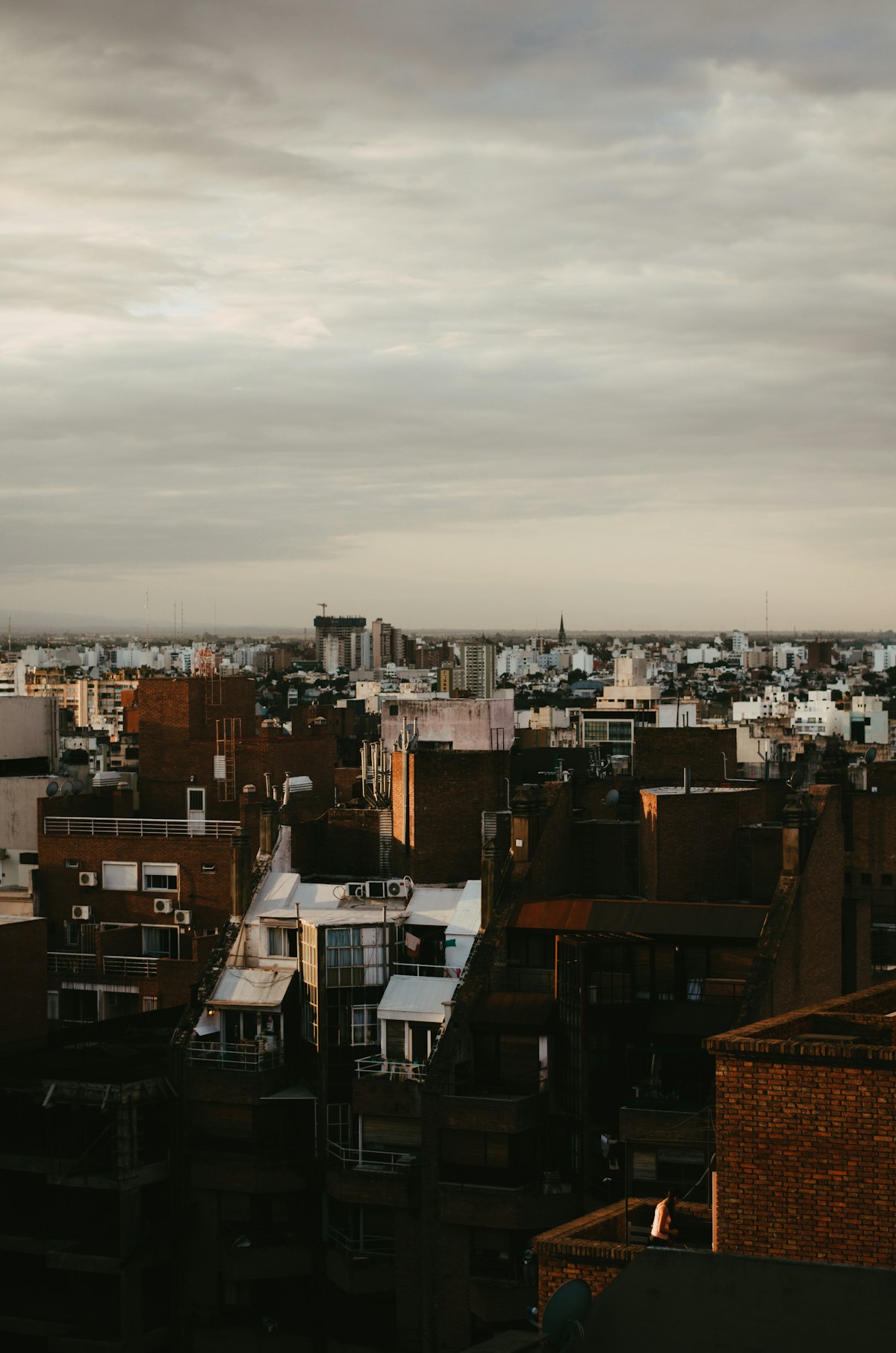
Córdoba is Argentina’s second-largest city, with around 1.4 million people in the metropolitan area, located in the geographic centre of the country at 400 metres altitude. It’s a university city - the National University of Córdoba was founded in 1613 and is the oldest in Argentina - and its student population gives the city a cultural density unusual for its position in the interior. The city has a well-preserved colonial centre, a strong tradition of cuarteto music (a local genre distinct from tango), and the Sierras Córdoba as an immediate western backdrop.
The Jesuit Block and Colonial Centre
The Manzana Jesuítica is the architectural centrepiece of Córdoba’s historical city centre - a single block containing the Jesuit church of La Compañía de Jesús, built between 1645 and 1698 with a ribbed hyperbolic vault ceiling considered a structural marvel for its period, the original National University buildings, and the Colegio Nacional de Monserrat. The complex is a UNESCO World Heritage site. The surrounding streets hold additional colonial churches - the Cathedral on the central plaza, and several 17th-century churches within walking distance - making the city centre one of the richer concentrations of colonial religious architecture in Argentina.
Nueva Córdoba and Nightlife
Nueva Córdoba is the student neighbourhood immediately south of the city centre, centred on the Patio Olmos shopping mall and extending along Hipólito Yrigoyen. It has the highest concentration of bars, restaurants, and boliches (nightclubs) in the city, and operates on a later schedule than most Argentine cities - dinner rarely begins before 10pm, bars fill after midnight. The area around La Cañada (a canalised stream that runs through the city) is pleasant for an afternoon walk.
Sierras de Córdoba
The mountain range immediately west of the city is reached within 40 minutes by car - the resort town of Villa Carlos Paz on Lago San Roque is the main gateway, offering lake beaches, amusement parks, and a full range of accommodation that makes it a short-break destination in its own right. The sierras offer hiking on marked trails, lake swimming in summer, and the photogenic landscape of green hills dotted with white chapels. La Cumbrecita, 120 km southwest, is a small pedestrianised village in a valley that bans private vehicles and has a network of forest walks through pines and native Córdoba hills woodland. Traslasierra, on the western slope of the range, is known for its dry microclimate and established alternative and arts communities. Browse day trips from Córdoba to find guided excursions into the sierras.
Jesuit Estancias
Five historic Jesuit estancias built in the 17th and 18th centuries to fund the Córdoba missions are listed as UNESCO World Heritage sites alongside the Jesuit Block - a rare case of an urban complex and its rural support network sharing the same inscription. The nearest, Estancia Alta Gracia (40 km southwest), is the most visited; the complex includes a fully preserved church, a mill, and an aqueduct, with an adjoining museum covering its history and a separate museum occupying the childhood home of Ernesto Che Guevara, who lived in Alta Gracia from 1932 to 1943. Entry to Alta Gracia is approximately ARS 3,000. Estancia Jesús María (50 km north), Santa Catalina (80 km north, the largest), and Caroya (55 km north) can be combined in a full-day circuit; guided tours from Córdoba cover the circuit for approximately USD 40–60 per person including transport.
Where to Stay
The city centre and Nueva Córdoba are the two practical bases. Centro has the colonial architecture and easy access to the Jesuit Block; Nueva Córdoba has the restaurant and bar scene. Hotels cover the full range; boutique options are concentrated in the residential streets south of the plaza. Hotel de la Cañada on Boulevard San Juan offers mid-range rooms from approximately USD 55 per night in a restored historic building. Azur Real Hotel Boutique on San Jerónimo street is a higher-end option from approximately USD 120 per night with rooftop views over the city centre. For budget travellers, Hostel Aldea on Calle Buenos Aires has dorm beds from approximately USD 12. For dining, La Nieta de la Pancha on Achával Rodríguez street serves traditional Argentine cuisine with a modern approach (mains from approximately ARS 6,000–12,000), while Alcorta on Belgrano is a well-known Córdoba steakhouse (mains from approximately ARS 7,000–14,000). The Jesuit Block entry is free; guided tours of the complex are available for approximately ARS 3,000. Prices listed are approximate as of 2026.
Search hotels in Córdoba on Booking.com
Getting There and Around
Ing. Ambrosio L.V. Taravella International Airport (COR) receives multiple daily flights from Buenos Aires (90 minutes) and is one of Argentina’s busiest domestic airports. Long-distance buses connect to Buenos Aires (9 hours), Rosario (6 hours), Mendoza (10 hours), and most provincial capitals. Within the city, the Córdoba Tranvía tram system and extensive bus network cover most areas; the city centre is walkable.
Best Time to Visit
Spring (September–November) and autumn (March–May) offer the most comfortable temperatures and the sierras at their greenest. Summer is hot (over 30°C) and the peak domestic tourism season for the mountain resorts. The Cosquín Folk Festival in late January and the Cosquín Rock festival attract large national audiences; the student-driven cultural calendar runs throughout the academic year.
Explore more: Things to do in Córdoba · Where to stay in Córdoba · Digital nomad guide to Córdoba · Argentine food guide · Getting around Argentina
Compare cities: Buenos Aires vs Córdoba
Upcoming Events in Córdoba
Iguazu National Park Anniversary
Iguazu National Park Anniversary 2026, 9 November. Free park entry, cultural events, and environmental programming in Puerto Iguazú.
Cosquín National Folk Festival
Cosquín Folk Festival 2027 runs 22 to 31 January in Córdoba province - ten nights of chacarera, zamba and folk on the Plaza Próspero Molina open-air stage.
Book an experience
Top experiences in Córdoba
Explore the best tours and activities in Córdoba , with instant confirmation and free cancellation on most bookings.
Planning to visit? Browse hotels in Córdoba, free cancellation on most bookings.