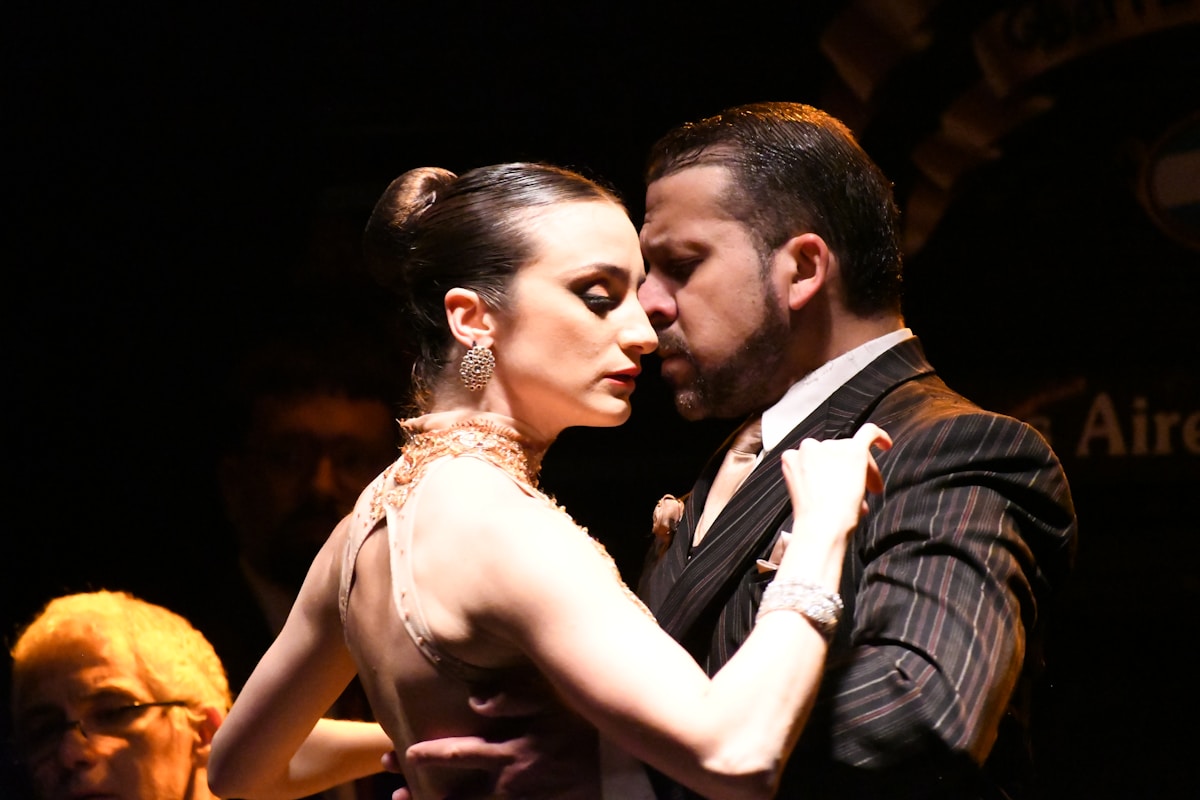
Tango is not a tourist attraction in Buenos Aires - it is the city’s most significant cultural export and a living social practice, danced weekly by hundreds of thousands of people in venues ranging from grand old ballrooms to community centres and converted warehouses. The tourist tango experience (dinner shows) and the authentic tango experience (social milongas) coexist in the city without much intersection.
Understanding the difference allows you to choose the kind of engagement you want and spend your money accordingly.
Tango Shows
Tango shows are theatrical productions designed for audiences without prior tango knowledge. They are polished, professionally produced, and effective at conveying the visual drama of the dance form - the precision footwork, the physical tension between partners, and the musical vocabulary of the golden age orchestras.
The main show venues are in the Palermo, San Telmo, and downtown areas. The most established include Señor Tango (large format, dinner included, in Barracas), Piazzolla Tango (smaller and more intimate, in the Galerias Pacífico shopping centre), and El Viejo Almacén in San Telmo. Prices range from approximately USD 60–120 per person for show only, rising significantly with dinner included.
The dinner show format is the most common and the most expensive. The food at these venues is typically decent but not what you would choose as a dinner destination in its own right. If cost is a concern, buying a show-only ticket and eating beforehand at a neighbourhood restaurant nearby is the better option.
A shorter, cheaper alternative is the free tango street performance in the San Telmo area - specifically the performance spaces on or near Plaza Dorrego, particularly on Sunday afternoons. These are informal and opportunistic rather than scheduled, but on any Sunday afternoon from around 3pm, professional dancers work the crowds in San Telmo for tips. The quality varies, but skilled performers work these streets.
The Milonga
A milonga is a social dance event. It is the original social context of tango - danced by regular people, for themselves, at venues that have been functioning the same way since the 1940s. The atmosphere at a good milonga is unlike anything else in the city: the dim lighting, the live orchestra or DJ playing tangos and milongas, the complex social protocol of the cabeceo (the silent, cross-room eye-contact invitation to dance), and the quality of connection between experienced dancers.
Buenos Aires milongas operate on a schedule that differs significantly from tourist rhythms. Most milongas start late - 11pm or midnight - and run until 4 or 5am. Some afternoon milongas (5pm–9pm) are better suited to visitors and are also friendlier to beginners.
Key milonga venues:
- Salon Canning (Paracultural) - one of the most respected milongas in the city, held several nights per week in Palermo. Afternoon and evening sessions. Attracts serious dancers; protocol is observed.
- La Viruta - in the basement of the Armenian Cultural Centre in Palermo, later and louder than Salon Canning, with a younger mix. More beginner-friendly on certain nights.
- El Beso - a small, older venue in the microcentro, running milongas on multiple weeknights. Traditional atmosphere; experienced crowd.
- Confitería Ideal - a historic café near the microcentro that operated a milonga for decades in its ballroom upstairs. Its status has varied over the years; check current programming before visiting, but the building itself is worth seeing.
During the Buenos Aires Tango Festival (August, two weeks), free milongas take place at Luna Park, the Usina del Arte, and venues across the city every night. This is the best time for a visitor to access high-quality social dancing without navigating the regular nighttime schedule.
Tango Classes
Classes for beginners are available throughout the city. The majority of dedicated tango schools offer introductory group classes as well as private lessons. Group classes for absolute beginners are the most accessible format - usually 90 minutes, taught in English and Spanish, focussed on basic walking, the embrace, and simple patterns.
Practicas - structured practice sessions between classes - are the format where beginners can practice new steps in a supported environment, separate from the social pressure of a milonga. Many schools run practicas on the same evenings as their beginner classes.
Schools with English-language instruction include DNI Tango (Almagro), La Academia (Palermo), and several others that advertise specifically to international visitors. One or two lessons give enough foundation to attend a beginners’ milonga; four to five lessons spread over a week produce meaningful progress.
Private lessons with professional dancers cost approximately USD 40–80 per hour. For serious learners, private lessons are the most efficient format; for visitors wanting just enough to dance socially, group classes are the right approach.
Top Tango Shows in Buenos Aires: Prices at a Glance
Dinner tango shows vary significantly by venue, format, and whether dinner is included. All GYG-listed options below offer free cancellation up to 24 hours before departure.
| Show | Duration | Includes | Price (approx.) |
|---|---|---|---|
| Señor Tango — Show Only | 2.5 hrs | Professional show, live orchestra, large-format venue | from $63 pp |
| Señor Tango — Dinner + Show | 3.5 hrs | Full dinner, open bar, live orchestra, show | from $120 pp |
| Rojo Tango at Faena Hotel | 2.5 hrs | Intimate boutique venue, open bar, optional dinner | from $80 pp |
| Tango Porteño — Show + Optional Dinner | 2 hrs | Mid-size venue, professional dancers, classic repertoire | from $75 pp |
| 4-Hour VIP Dinner + Tango Show | 4 hrs | Gourmet dinner, premium wine, front-row seats | from $130 pp |
Book via Buenos Aires tango shows on GetYourGuide. For show-only tickets, buying direct from the venue box office on the night can be marginally cheaper midweek in low season.
Neighbourhood Tango
Outside the formal milonga circuit, tango appears in several neighbourhood contexts that are less structured but equally worth seeking out. The Feria de Mataderos on Sunday afternoons includes malambo and folk dance as well as tango; the street culture of San Telmo on Sunday afternoons includes impromptu tango; and bar areas in Palermo and San Telmo occasionally have live tango music without the formal milonga format.
The tango section of the August festival is the clearest illustration of how deeply embedded tango is in daily Buenos Aires life - the free events attract thousands of Porteños who are not tourists but who come to dance, watch, and participate in what is, for them, a completely normal part of living in this city.
Buenos Aires tango tours and shows can be booked in advance - useful for securing seats at the better dinner-show venues in peak season. For flexibility, last-minute Buenos Aires tours regularly include tango show and milonga experiences with same-week availability.
More on Buenos Aires: Buenos Aires tango guide (by neighbourhood) · Buenos Aires nightlife · Buenos Aires city guide