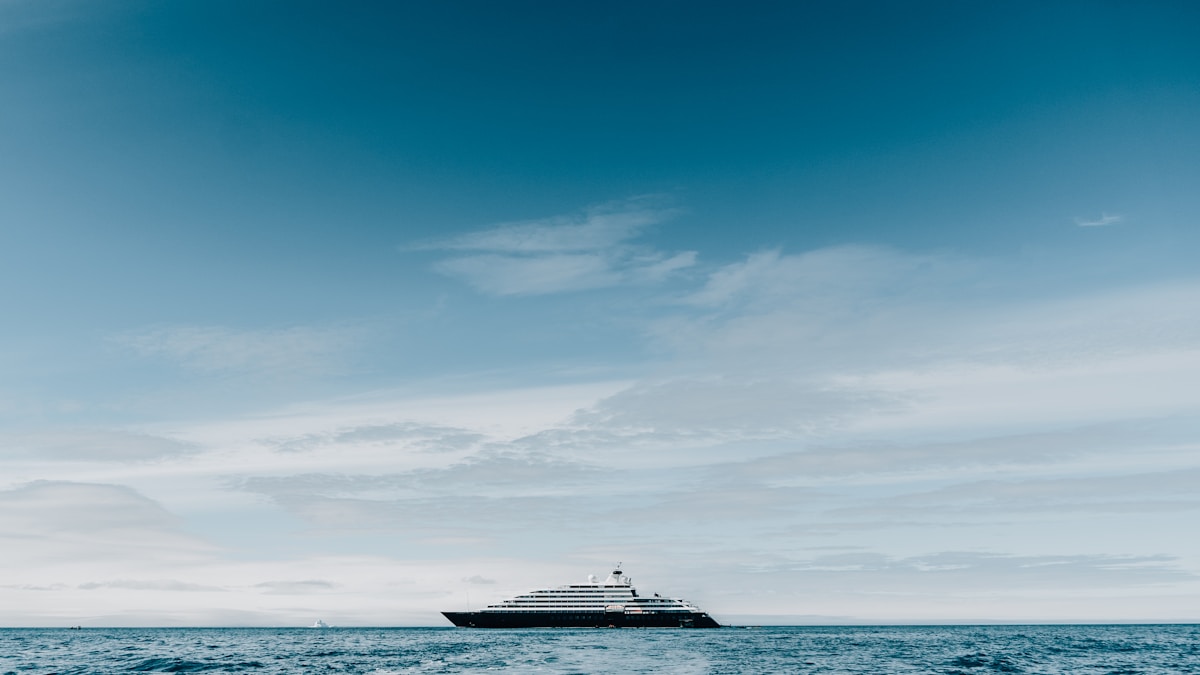
Ushuaia sits at the southern tip of Argentina - the world’s southernmost city - and serves as the primary departure point for Antarctic expedition cruises. From the port, it is roughly two days of sailing across the Drake Passage to reach the Antarctic Peninsula, making it the shortest viable sea route to the continent. If you are planning an Antarctica expedition, there is a high chance your ship leaves from here.
This guide covers everything practical: which operators to consider, what routes exist, what things genuinely cost, how the last-minute walk-up market works, and what the Drake Passage crossing is actually like.
Why Ushuaia is the Gateway to Antarctica
No other city puts you closer to Antarctica by sea. The Antarctic Peninsula - the northernmost part of the continent - lies approximately 1,000 km south of Ushuaia across the Drake Passage. Punta Arenas in Chile is the only comparable departure point, and some fly-cruise itineraries use it, but the majority of expedition vessels worldwide still berth in Ushuaia.
The expedition season runs from November to March (the austral summer). Outside this window, sea ice closes off landing sites and daylight hours drop severely. December and January are peak months: near-continuous daylight, active penguin colonies with chicks present, and relatively stable weather. November offers pristine snow landscapes and courtship behaviour at penguin rookeries but no chicks. February and March bring whale sightings and noticeably fewer passengers, though days shorten.
If you are travelling to Ushuaia specifically to join a cruise, build in at least two days before your departure date. Weather delays are common and ships will not wait - if you miss embarkation, you have missed the voyage.
Expedition Operators: Choosing the Right Ship
The Antarctic expedition market is consolidated around a handful of specialist operators, all holding IAATO (International Association of Antarctica Tour Operators) certification. IAATO membership is the baseline standard to check for - it governs landing procedures, environmental protocols, and maximum passenger numbers per landing site.
Quark Expeditions is one of the longest-established operators in the market. They run multiple vessel sizes and are known for a strong lecture and educational programme aboard. Departures range from classic Peninsula voyages to extended South Georgia routes.
Hurtigruten Expeditions (the Norwegian arm, separate from their coastal ferry business) positions at the higher end of the market. Ships are modern, service standards are high, and expedition staff are well-credentialled scientists and naturalists.
G Adventures targets the mid-budget segment and is particularly popular with travellers in their 30s. Their National Geographic Journeys partnership on selected voyages adds an extra layer of expert commentary. Ships are typically smaller expedition vessels.
Oceanwide Expeditions operates ships carrying between 60 and 170 passengers - a size range that generally means more Zodiac time per guest and the ability to access smaller, shallower landing sites that larger vessels cannot reach.
Aurora Expeditions is an Australian operator with a strong track record on smaller ship polar travel. Their flagship vessel, Greg Mortimer, carries around 130 passengers and uses an X-BOW design that handles Drake swells with less pitching than conventional hull shapes.
Ship size is a meaningful variable. Ships carrying fewer than 100 passengers typically offer more Zodiac landings, more time at each site, and more flexibility to respond to wildlife sightings. Ships carrying 200+ passengers are more stable in rough seas and tend to have better amenities - restaurants, lectures theatres, gyms - but access more landing sites in rotation rather than at will.
Route Options and Itinerary Lengths
Classic Antarctic Peninsula (10–12 days total): The most common itinerary. Roughly 8–10 nights aboard, sailing to the Antarctic Peninsula and South Shetland Islands. Zodiac landings at penguin colonies (Adélie, chinstrap, and gentoo are the most commonly encountered species), visits to historic huts, and wildlife observation from deck. Optional activities such as kayaking or camping on the ice are available on some voyages at additional cost.
South Georgia, Falkland Islands, and Antarctica (18–22 days): A significantly longer and more expensive voyage that adds South Georgia and the Falklands to the Peninsula itinerary. South Georgia alone justifies the cost for serious wildlife travellers: king penguin colonies of hundreds of thousands of birds, elephant seals hauled out on beaches, wandering albatross nesting on ridgelines. This route is widely considered the gold standard for Antarctic expedition travel.
Fly-cruise options: Some operators fly passengers one-way or round-trip between Punta Arenas, Chile (a short flight from Ushuaia) and the Antarctic Peninsula, cutting the Drake crossing out of the itinerary entirely. This shortens total trip time and suits travellers who are concerned about seasickness - but it removes the experience of the Drake itself, which many find is a defining part of the journey.
How Much Does an Antarctica Cruise Cost?
Antarctica is not a budget destination. The costs below reflect approximate 2026 pricing in USD and can shift based on operator, cabin type, departure date, and how far in advance you book.
Classic Antarctic Peninsula:
- Basic interior or porthole cabin: from approximately $5,000–$8,000 per person
- Window cabin or suite with a view: from approximately $9,000–$15,000+ per person
South Georgia, Falklands, and Antarctica:
- From approximately $12,000–$20,000+ per person depending on cabin grade and operator
These prices are for the voyage itself and typically include all meals, guided Zodiac excursions, lectures, and rubber boot loan. They do not include international flights to Ushuaia, pre- or post-cruise accommodation, gratuities (typically $15–25 USD per day per person), or optional add-ons such as kayaking.
Travel insurance with emergency medical evacuation cover is not optional - a medevac from the Southern Ocean or Antarctic Peninsula costs upwards of $100,000 USD. Verify that your policy covers evacuation from remote locations before you travel.
Last-Minute Bookings: The Ushuaia Walk-Up Market
Ushuaia has a genuine last-minute cruise market that is worth knowing about, particularly if your travel dates are flexible and you are willing to accept some uncertainty.
Expedition ships that have not sold all cabins will discount remaining berths steeply - typically 30–50% off rack rates - in the final days before departure. These deals filter through local travel agencies in Ushuaia rather than through operator websites. Agencies to check include Rumbo Sur, Canal Fun & Nature, and All Patagonia, all of which are located near the port area and post current availability in their windows or on boards outside.
The catch is that you need to be in Ushuaia ready to go, flexible on the exact departure date, and willing to take whatever cabin category is left. Last-minute availability is unpredictable - some seasons see significant walk-up deals; others see ships depart full. December is historically the month where last-minute discounts appear most frequently, as operators are trying to fill the full season before the peak Christmas–New Year window.
If you have specific requirements (a private balcony cabin, a particular route, a departure that fits a tight schedule), last-minute is not the right approach. Book 12–18 months ahead for South Georgia itineraries and for peak December–January departures.
What to Expect on the Drake Passage
The Drake Passage - the stretch of open ocean between Cape Horn and the South Shetland Islands - has a reputation for rough water that is entirely earned. With no land mass to interrupt the circumpolar winds and current, swells of 4–8 metres are routine, and during storms, 10-metre waves are possible.
That said, a meaningful proportion of Drake crossings are relatively benign. Sailors refer to the calmer version as the “Drake Lake” - a crossing of manageable swells where walking the ship is possible and appetite survives. The rough version - “Drake Shake” - involves heavy rolling, closed dining rooms, and a significant number of horizontal passengers. Most crossings fall somewhere between the two.
Practical advice: fill prescriptions for motion sickness medication before you leave home (scopolamine patches are the most commonly used and require a prescription in many countries; over-the-counter options such as cinnarizine or meclizine are less effective but available without a prescription). Take the first dose before you enter the Drake, not after you start feeling ill. Acupressure bands (Sea-Bands) have a modest effect and are worth adding to the kit. Stay hydrated, eat lightly, and spend time on deck in fresh air if conditions permit.
The crossing takes approximately 48 hours in each direction. Most passengers find the return Drake crossing easier - partly familiarity, partly the psychological fact of heading home.
Booking Tips and Practical Advice
IAATO certification first. Any operator running landings on the Antarctic continent must be IAATO-certified. Check membership at iaato.org before booking with any company you have not previously researched.
Book early for South Georgia. South Georgia itineraries sell out 18 months in advance with the major operators. If this route is a priority, do not wait.
Kit list. Most operators provide rubber Wellington-style boots for Zodiac landings and some provide expedition parkas. You will need to bring your own: thermal base layers, fleece mid-layers, waterproof outer trousers, hat, gloves (liner gloves plus waterproof over-mitts), and high-SPF sunscreen. Antarctic UV intensity at high latitudes is significantly greater than most travellers expect, and snow and water reflect it.
Seasickness medication. Arrange this before leaving home. A GP or travel medicine clinic can prescribe scopolamine patches. Do not leave this to chance.
Arrive early. Most operators ask passengers to be in Ushuaia at least one day before embarkation; two days is safer given the frequency of weather disruptions to incoming flights into Bariloche or Buenos Aires.
For planning your time in Ushuaia before or after your cruise, see our Ushuaia city guide and things to do in Ushuaia. Tours in Ushuaia are a good way to fill the days before embarkation - boat trips on the Beagle Channel and overland excursions into Tierra del Fuego National Park are the main options.
See Also: Argentina travel insurance · Patagonia trekking guide · El Calafate travel guide · Argentina Patagonia itinerary