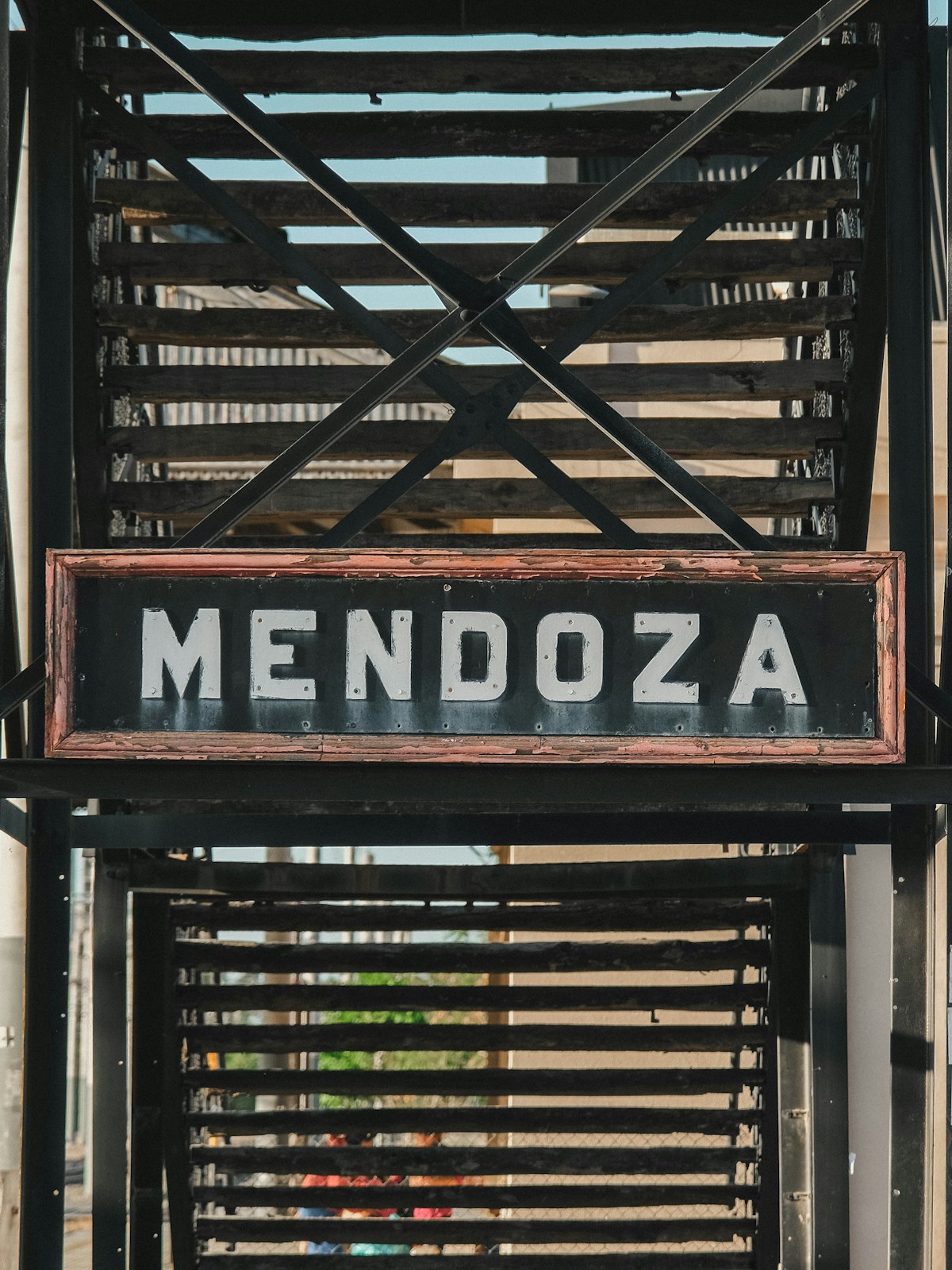
Argentina is the world’s fifth-largest wine producer and the largest in South America, responsible for roughly 4% of global output. The country’s wine geography spans from sub-tropical altitude vineyards in Salta - some of the highest in the world - to cool Patagonian valleys where Pinot Noir grows 1,500 kilometres south. The centrepiece remains Mendoza, which accounts for over 70% of production, but the interest for visitors lies in understanding what makes each region distinct.
Mendoza: The Heart of Argentine Wine
Mendoza Province lies in the shadow of the Andes at approximately 700–1,000 metres altitude. The combination of high UV radiation, extreme day-to-night temperature variation (diurnal range), and reliable irrigation from Andean snowmelt produces intensely flavoured grapes that hold their acidity despite the hot growing season.
Malbec is the reason most international visitors come to Mendoza. The grape originated in France (Cahors) and was a minor blending variety there before Argentine winemakers discovered it thrived at altitude. Mendoza Malbec is fuller and richer than French Malbec, with dark fruit, violet notes, and firm tannins. The best expressions come from the high-altitude Luján de Cuyo and Valle de Uco sub-regions.
Cabernet Sauvignon, Bonarda, and Torrontés are also grown extensively. Bonarda (Argentina’s second-most-planted red variety) makes affordable, fruit-forward wines that represent good value.
Valle de Uco: The Prestige Sub-Region
The Uco Valley sits 1,000–1,200 metres above sea level, producing Mendoza’s most structured and age-worthy wines. It has attracted the most significant international investment in Argentine wine over the past two decades.
Achaval Ferrer (Calle Cobos s/n, Luján de Cuyo) is one of Mendoza’s most respected producers, known for single-vineyard Malbec. Tastings by appointment from approximately ARS 5,000–12,000 as of 2026 depending on the tasting tier.
Catena Zapata (Cobos, Luján de Cuyo) is the prestige name in Argentine wine globally and pioneered the move to high-altitude viticulture. The winery building is modelled on a Mayan pyramid and sits in a dramatic Andean landscape. Cellar tours and tastings from approximately ARS 8,000–20,000 as of 2026; reservations essential. Wines range from the entry-level Alamos series (available worldwide) to the flagship Adrianna Vineyard releases.
Zuccardi Valle de Uco (Ruta Provincial 89, km 10, Valle de Uco) has built one of Argentina’s most celebrated winery buildings and received extensive international recognition. Tastings from approximately ARS 7,000–18,000 as of 2026. The Zuccardi Concreto and Fósil lines represent the winery’s focus on terroir expression.
Clos de los Siete is a collaborative estate in the Uco Valley developed by Michel Rolland and seven French investors in the early 2000s. Seven individual wineries share a 900-hectare estate. Several offer individual visits; wines are available at most Mendoza wine shops.
Luján de Cuyo: Accessible from Mendoza City
For visitors without a car or guided tour, Luján de Cuyo is the easiest wine-touring area to reach from Mendoza city. Several wineries are within 20–30 minutes of the centre.
Bodega Renacer (Brandsen 1863, Perdriel) offers tastings and tours in an accessible format from approximately ARS 4,000–9,000 as of 2026.
Norton (Ruta Provincial 15, Perdriel) is one of the region’s largest producers and runs well-organised daily tours. Tastings from approximately ARS 3,500–8,000 as of 2026. Their Lote Negro and Privada labels offer good value for money.
Organised Wine Tours from Mendoza City
Most visitors explore Mendoza’s wineries on a day tour, which simplifies logistics considerably. Options run from shared minibus tours (lower cost, fixed itinerary) to private vehicle tours with a dedicated guide.
Trout & Wine is one of Mendoza’s best-established tour operators, running wine bike tours (cycling between wineries in the Luján de Cuyo flatlands) from approximately USD 45–65 per person as of 2026, including a guide and lunch. Wine bike tours cover three to four wineries in a day.
Ampora Wine Tours specialises in smaller-group premium tours of the Uco Valley from approximately USD 120–180 per person as of 2026 (includes transport, all tastings, and lunch). These tours access wineries that require reservations and are difficult to visit independently.
Best Time to Visit Mendoza for Wine
Harvest season (vendimia): February–April is the most dramatic time to visit - grapes are being picked, fermentation tanks are active, and the city holds the annual Fiesta Nacional de la Vendimia in early March. Winery visits during harvest often include tasting freshly pressed juice alongside finished wines.
Spring (September–November) brings the vineyards into leaf and flower, with good weather and lower visitor numbers than March.
Salta and Cafayate: The High-Altitude Vineyards
Cafayate (approximately 185 km south of Salta city) sits at 1,700 metres altitude in the Calchaquí Valleys and produces wines that are categorically different from Mendoza. The intense UV, extreme diurnal temperature swings, and sandstone soils create conditions that suit Torrontés and high-altitude Malbec exceptionally well.
Torrontés is Argentina’s signature white grape and Cafayate is its spiritual home. The wines are intensely aromatic - rose, peach blossom, white peach, and citrus - with dry, fresh acidity. Cafayate Torrontés is more restrained and mineral than the Salta lowland expressions.
Key Cafayate Wineries
El Esteco / Michel Torino (Ruta Nacional 40 km 4334, Cafayate) is the region’s most prominent producer. The estate includes a hotel and restaurant, allowing overnight stays. Tastings from approximately ARS 4,000–9,000 as of 2026. The Don David and Cuma ranges are the core labels.
Bodegas Etchart (Cafayate) is a major regional producer with extensive Torrontés plantings. Standard tastings from approximately ARS 2,500–5,000 as of 2026. Easily combined with El Esteco on the same visit.
Viñas de Altura and Bodegas Vasija Secreta are smaller producers in the Cafayate area worth seeking out for more artisanal expressions.
Getting to Cafayate from Salta by bus takes approximately 3–4 hours and passes through the Quebrada de las Conchas - a striking canyon with red sandstone formations. Day tours from Salta to Cafayate combine the scenic drive with winery visits from approximately USD 60–90 per person as of 2026, with transport and a guide included.
Highest Vineyards: Further north in Salta Province, the Quebrada de Humahuaca area around Tilcara and Molinos has vineyards above 3,000 metres - among the highest in the world. Producers like Colomé (which also has vineyards at the nearby Altura Máxima site at 3,111 metres) make limited-production wines from this extreme environment. Colomé’s estate hotel allows overnight stays; visits are best arranged well in advance.
Patagonia: Río Negro and Neuquén
Patagonia’s wine regions are the country’s southernmost and coolest, centred on the Río Negro and Neuquén provinces around Allen, General Roca, and the town of Neuquén itself.
The cooler temperatures and longer growing season produce Pinot Noir of notable elegance and Malbec with a lighter, more aromatic character than Mendoza. The region also grows Merlot, Chardonnay, and Sémillon.
Bodega Chacra (Ruta Provincial 6, km 32, Mainqué, Río Negro) is the most internationally recognised Patagonian wine producer, making single-vineyard Pinot Noir from ungrafted vines planted in 1932. Chacra’s wines are exported internationally and represent what Patagonia can achieve at the top end. Visits by appointment.
Humberto Canale (General Roca, Río Negro) is the oldest established winery in Patagonia (founded 1909) and offers accessible tastings and tours. Tastings from approximately ARS 3,000–6,000 as of 2026.
Bodega NQN (Neuquén) is a modern producer focused on premium expressions from Neuquén Province, accessible from the city of Neuquén for those passing through.
Getting to the Río Negro wine region from Buenos Aires involves a flight (approximately 2 hours) or long bus journey to Neuquén or Bariloche, then onward by local transport or rental car. Many visitors combine wine tasting in this region with time in Bariloche.
Comparing the Regions at a Glance
| Region | Key Varieties | Altitude | Best Known For |
|---|---|---|---|
| Mendoza (Luján de Cuyo) | Malbec, Cab Sauv | 700–1,000m | Full-bodied Malbec, volume production |
| Mendoza (Valle de Uco) | Malbec, Cab Franc | 1,000–1,200m | Premium, structured red wines |
| Cafayate / Salta | Torrontés, Malbec | 1,700–3,000m+ | Aromatic whites, high-altitude intensity |
| Patagonia (Río Negro) | Pinot Noir, Malbec | 300–500m | Elegant, cool-climate reds |
Practical Notes for Wine Tourists
Language: Most large wineries in Mendoza offer tours in English and Spanish. Smaller Cafayate producers may be Spanish-only - a phrasebook or translation app is useful.
Getting around Mendoza: Cycling is genuinely practical in the Luján de Cuyo flatlands. Uber and remises connect the city to nearby wineries. A rental car is essential for a proper Valle de Uco day.
Buying wine to take home: Argentina allows wine export in checked baggage without duty. Most wineries will bubble-wrap bottles for travel. Consider buying at the winery rather than at the airport, where selection is limited and prices are higher.
Vintage notes: Argentine vintages vary significantly. The Wines of Argentina organisation publishes vintage charts - worth checking before committing to older-vintage purchases.
For visitors who prefer a guide to handle logistics, Mendoza wine tours cover the main bodegas in Luján de Cuyo and the Uco Valley with transport included.
Related guides: Mendoza city guide · Cafayate city guide · San Rafael wine and adventure · San Juan city guide