San Juan, Argentina: Complete Travel Guide
San Juan, Argentina: Ischigualasto dinosaur fossils, UNESCO canyon parks, and Cuyo wine routes. Practical guide with transport, costs, and best time to visit.
Guides for San Juan
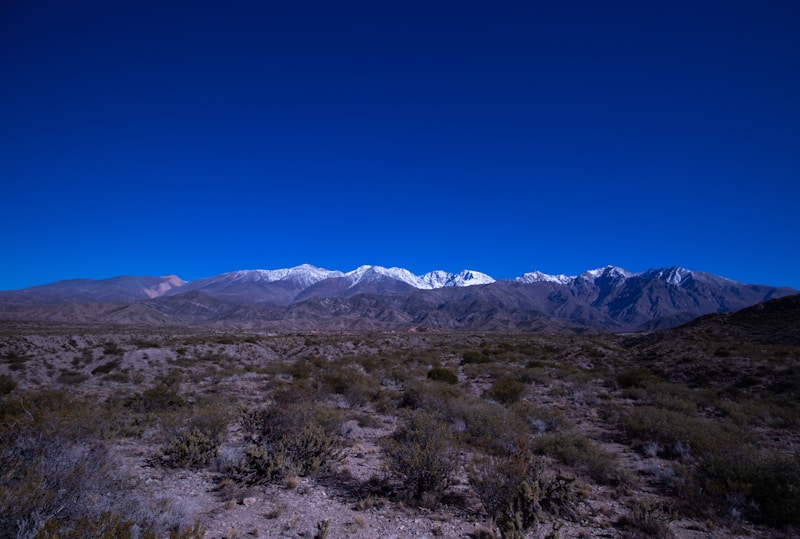
San Juan is the capital of San Juan Province, the northernmost of the Cuyo wine-producing provinces, with around 450,000 people in the urban area. It sits at 630 metres in the Tulum Valley, surrounded by desert and Andean foothills. Like Mendoza, San Juan was destroyed by a major earthquake - in 1944 - and rebuilt in a modern, low-rise grid. The city itself is functional and low-key as a tourist destination, but San Juan Province contains two of the most significant geological and palaeontological sites in South America: Ischigualasto and the adjacent Talampaya.
Ischigualasto Provincial Park
Ischigualasto, known as the Valley of the Moon, is a protected desert landscape 250 km north of San Juan where wind and water erosion over millions of years have sculpted the grey volcanic ash sediment into smooth, rounded formations. The park contains one of the most complete records of Triassic-period life on Earth - fossils found here include the earliest known dinosaur species, Eoraptor. All visitors must travel the 40 km park circuit accompanied by a park ranger vehicle; the standard route takes 3–4 hours and includes stops at the major formations including El Hongo (the mushroom), El Submarino, and La Cancha de Bochas (a field of grey spherical formations). Night visits by full moon are a special option offered monthly.
Talampaya National Park
Immediately south of Ischigualasto across the La Rioja provincial border, Talampaya is a UNESCO World Heritage site (jointly listed with Ischigualasto) with a different visual character - deep red sandstone canyon walls up to 150 metres high, carved by the Talampaya River. Tours enter the canyon by 4WD vehicle and on foot, passing petroglyphs, condor nesting sites in the cliff faces, and dramatic narrow slot canyon sections where the walls close to a few metres apart. Most organised tours from San Juan combine both parks in a single long day; Talampaya entry costs approximately ARS 8,000 for foreign visitors, separate from the Ischigualasto fee.
San Juan Wine Region
San Juan is Argentina’s second wine province after Mendoza, producing around 25% of the country’s output from the Tulum, Ullum, and Zonda valleys surrounding the city. The regional speciality is Syrah - grown at altitude with large diurnal temperature swings that produce wines with ripe fruit and freshness - alongside Bonarda, a variety underexplored by most other Argentine regions. Bodegas Graffigna, one of the oldest wineries in Argentina (founded 1869), has a visitor centre on the city’s western edge offering guided tours and tastings; the standard tour costs approximately ARS 4,000. Bodega Cano in the Tulum Valley produces small-batch Syrah and accepts visits by appointment. Unlike Mendoza, most San Juan bodegas do not require advance reservations and are accessible by taxi or rental car within 20 minutes of the city centre.
San Juan City
The city centre holds the Casa Natal de Sarmiento - the birthplace of Domingo Faustino Sarmiento, president from 1868–1874 and architect of Argentina’s public education system - preserved as a national monument and small museum (entry approximately ARS 1,500; open Tuesday to Sunday 9am–8pm). The Museo de Ciencias Naturales has well-curated regional palaeontology exhibits including casts of Eoraptor and other Triassic-period species found in Ischigualasto, providing useful background before visiting the park; entry is approximately ARS 1,500. The 1944 earthquake destroyed most of old San Juan, prompting a complete reconstruction in a modernist grid of wide, seismically-designed boulevards - the result is a functional city without the colonial architecture of Mendoza or Córdoba, but the scale of the tree-lined streets and the vine-covered patio restaurants along Avenida de la Roza make it a pleasant base for a night or two. The Plaza 25 de Mayo central square, surrounded by provincial government buildings, is a good orientation point for the compact centre.
Where to Stay
Accommodation concentrates in and around the city centre, within walking distance of the main plaza. The choice is weighted toward business hotels; boutique options are limited. For those visiting Ischigualasto, staying in the nearest town of San Agustín de Valle Fértil (150 km from the park) is an option that avoids the long drive from San Juan city. Hotel Del Bono Park on Ignacio de la Roza avenue is the most established hotel in the city from approximately USD 60 per night. Hotel Albertina on General Acha offers functional mid-range rooms from approximately USD 35 per night. In Valle Fértil, Hostería Valle Fértil provides basic accommodation from approximately USD 30 per night. Ischigualasto park entry costs approximately ARS 10,000 for foreign visitors; the guided circuit is included. Full-day organised tours from San Juan combining Ischigualasto and Talampaya cost from approximately USD 70–100 per person including lunch; Argentina tours covering the Cuyo region can also be arranged. For dining in San Juan, Soychu on Avenida de la Roza serves regional cuisine and good Syrah by the glass (mains from approximately ARS 5,000–10,000), and Patio Cervecero de la Roza is a popular open-air craft beer spot on the main avenue. Prices are approximate and subject to change.
Search hotels in San Juan on Booking.com
See our full hotels in San Juan guide for named picks in the city centre and accommodation near Ischigualasto in Valle Fértil.
San Juan vs Mendoza: Which Should You Choose?
San Juan and Mendoza are Argentina’s two main Cuyo wine provinces, four hours apart by bus. Most travellers choose one or the other — here is how they compare.
Choose San Juan if: you want to visit Ischigualasto (the Valley of the Moon) and Talampaya, which are the main reason to come to the region and are not accessible as a day trip from Mendoza. San Juan also has fewer tourists and a quieter pace; wine tourism is more informal and prices are noticeably lower.
Choose Mendoza if: wine tourism is your primary goal — Mendoza has a more developed bodega circuit, a wider range of high-end restaurants, and better transport links to Santiago, Chile. The city centre is also more architecturally attractive than San Juan after the 1944 earthquake rebuild.
Do both if time allows: The bus from Mendoza to San Juan takes approximately 4 hours (Andesmar and TAC operate several daily services; fares approximately ARS 12,000–18,000). A logical route is Mendoza → San Juan (2 nights, day trip to Ischigualasto + Talampaya) → return to Mendoza or continue north to La Rioja.
Getting There and Around
Domingo Faustino Sarmiento Airport (UAQ) connects San Juan to Buenos Aires (approximately 2 hours by air). Long-distance buses link to Mendoza (2.5 hours), Córdoba (8 hours), and Buenos Aires (16 hours). For Ischigualasto and Talampaya, an organised day tour from San Juan is the standard approach; self-drive to the parks is possible but the in-park circuits require a guide vehicle.
Best Time to Visit
April to October offers the most reliable weather for visiting the parks - cool to warm days, low chance of rain, and the clear light that makes the park formations most dramatic. Summer (December–February) in the desert parks can be extremely hot (over 40°C); visits are limited to morning hours in those months.
Explore more: Mendoza travel guide · Things to do in Mendoza · Argentina wine regions guide
Upcoming Events in San Juan
Iguazu National Park Anniversary
Iguazu National Park Anniversary 2026, 9 November. Free park entry, cultural events, and environmental programming in Puerto Iguazú.
Cosquín National Folk Festival
Cosquín Folk Festival 2027 runs 22 to 31 January in Córdoba province - ten nights of chacarera, zamba and folk on the Plaza Próspero Molina open-air stage.
Book an experience
Top experiences in San Juan
Explore the best tours and activities in San Juan , with instant confirmation and free cancellation on most bookings.
Planning to visit? Browse hotels in San Juan, free cancellation on most bookings.