Mendoza, Argentina: Malbec Wine Country & Andes
Malbec tastings on Luján de Cuyo, bike routes through Maipú bodegas, and Aconcagua day trips - Mendoza is Argentina's wine capital under the Andes.
Guides for Mendoza
Mendoza is the largest city in the Cuyo region of western Argentina, with around 115,000 people in the city proper and over 1 million in Greater Mendoza. It sits at approximately 750 metres in the Andean foothills, with the snow-capped peaks of the main Cordillera visible to the west on clear days. The city is best known internationally as the centre of Argentine wine production - the surrounding province grows around 70% of the country’s wine grapes, with Malbec established as the flagship variety. Mendoza rebuilt its city centre in a grid of low-rise blocks after a major earthquake in 1861; each intersection features a small plaza shaded by plane trees, giving the centre a distinctive character among Argentine cities.
The Wine Routes
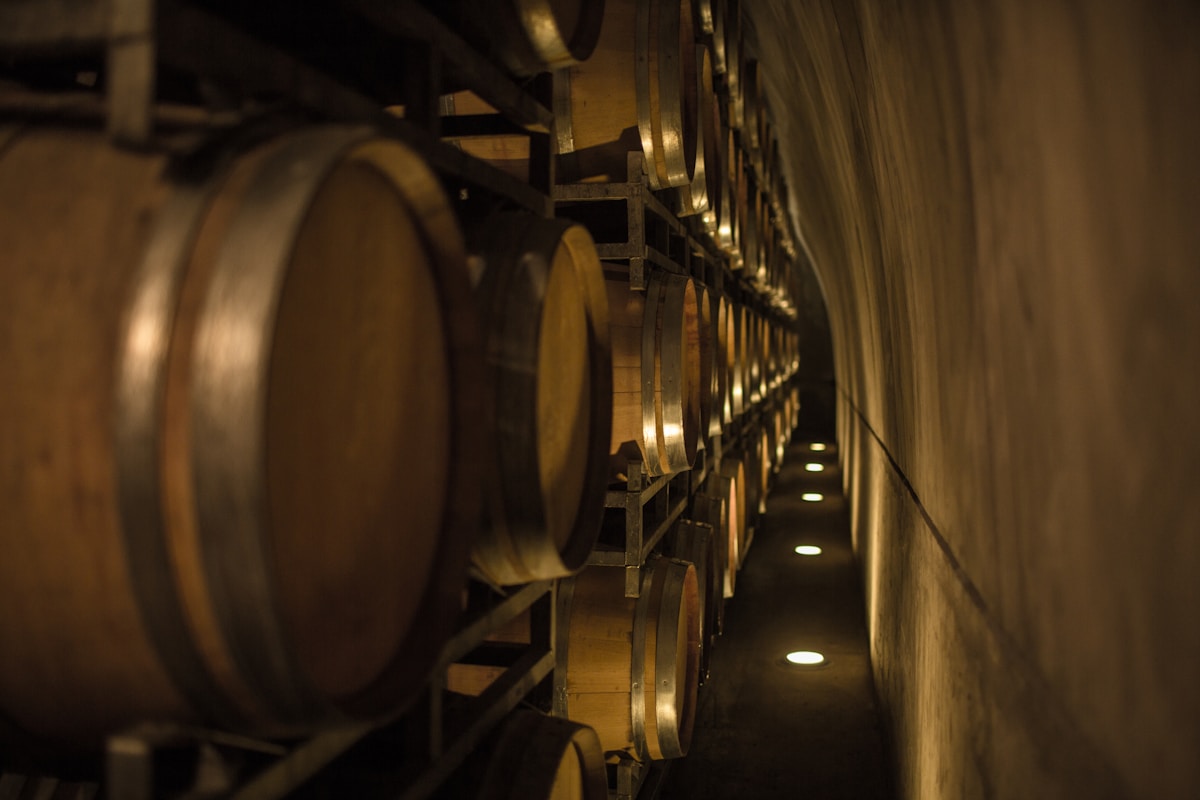
Two wine-tourism routes define most visits to Mendoza. The Maipú route, 18 km south of central Mendoza, runs through a dense concentration of small and medium bodegas, olive oil producers, and artisan food shops. It’s well-suited to a cycling day - bikes can be rented in the town of Maipú, reached by local bus from central Mendoza in around 30 minutes. The Luján de Cuyo route, at slightly higher altitude to the south, includes some of Mendoza’s most acclaimed wineries - Catena Zapata, Achaval Ferrer, and Achával Ferrer among them - most of which require advance reservations and are better visited on an organised wine tour in Mendoza.
Aconcagua and the High Andes
Route 7 west from Mendoza climbs into the Andes along the Mendoza River valley, passing through Potrerillos reservoir (a popular weekend spot for Mendocinos) and the ski resort of Los Penitentes before reaching the Chilean border at Paso Los Libertadores. Aconcagua Provincial Park is at 3,200 metres on this road; the park entrance allows day visitors to walk to a viewpoint of the south face, though the mountain itself requires a multi-day expedition. The drive up to the pass through the Andes is worthwhile in its own right.
Central Mendoza
The city centre’s main walking street is Avenida Aristides Villanueva (known as Arístides), lined with outdoor tables, wine bars, and restaurants. The main commercial drag is the pedestrianised Calle Sarmiento. The Parque General San Martín, 20 blocks west of the plaza, covers 307 hectares with a rose garden, rowing lake, and the city’s football stadium; it’s the most significant urban park outside Buenos Aires. The Museo del Área Fundacional, near the original 1561 settlement site, has archaeological and historical exhibits worth an hour.
Where to Stay
Budget: Hostel Lao on Avenida Aristides Villanueva, in the heart of the bar and restaurant strip, has dorm beds from approximately USD 14 per night. Private rooms are available from around USD 35 per night. It’s well-placed for the city’s nightlife and within easy reach of the central plaza.
Search hotels in Mendoza on Booking.com
Mid-range: Hotel Mendoza on Calle Chile, half a block from Plaza Independencia, is a reliable city-centre choice from approximately USD 70–90 per night including breakfast. Park Suites Mendoza on Belgrano street offers apartment-style rooms suited to longer stays from approximately USD 80 per night.
Upmarket: Chacras de Coria, 12 km south in the Luján de Cuyo appellation, is where Mendoza’s boutique wine hotel scene concentrates. Cavas Wine Lodge is the standout property - a vineyard estate with outdoor pool and spa, rooms from approximately USD 300–420 per night including breakfast and a wine tasting. Entre Cielos in Luján de Cuyo offers a similar vineyard-setting experience from approximately USD 200–280 per night, with a hammam and in-house bodega. Book these well in advance for harvest season (March–April).
Where to Eat
Mendoza’s restaurant scene is strongest along Avenida Aristides Villanueva and the streets behind it - this is where most visitors end up in the evenings. Azafrán on Sarmiento street is one of Mendoza’s most acclaimed restaurants, pairing regional produce (goat, Andean potatoes, local olive oil) with a focused Argentine wine list; mains run approximately USD 12–22. 1884 Restaurante Francis Mallmann on Belgrano street, inside the Escorihuela bodega, is the flagship of Argentina’s most famous chef - known for open-fire cooking and theatrical presentation; expect to pay USD 25–45 per person for a full meal, reservations essential. La Marchigiana on Patricias Mendocinas has served homemade pasta since 1950 and remains a local favourite; mains from approximately ARS 6,000–10,000. For casual lunch, the covered market at Mercado Central has empanadas and regional produce stalls at low prices.
Practical Tips
The city operates on a later schedule than most - lunch rarely starts before 1pm, dinner before 9pm. Many wineries, particularly in Luján de Cuyo, require advance reservations; same-day visits are sometimes possible in low season but not reliable in March–April. The altitude (750 m) is low enough that acclimatisation is not an issue, but Route 7 into the high Andes climbs to 3,800 m at the Chilean border - take it slowly if continuing into Chile. ATMs in central Mendoza are reliable. Tap water is safe to drink. Mendoza experiences occasional seismic activity; the low-rise architecture reflects the 1861 earthquake history, and new buildings follow seismic construction codes.
Getting There and Around
El Plumerillo Airport (MDZ) has multiple daily flights to Buenos Aires (about 2 hours) and connections to other Argentine cities. Long-distance buses connect to Buenos Aires (14 hours), Córdoba (10 hours), and Salta (20 hours). Within the city, taxis and remises are reliable. For the wine routes, buses reach Maipú town from central Mendoza; Luján de Cuyo requires a taxi, rental car, or tour. San Rafael, 230 km south, is a worthwhile extension for rafting the Atuel canyon and a quieter wine scene. San Juan, 170 km north, is the base for visiting Ischigualasto (Valley of the Moon).
Best Time to Visit
March and April, during and after harvest, are the most popular months for wine tourism - the bodegas are active, the weather is warm, and the vineyards are at their most photogenic with autumn colour on the vines. Spring (September–November) is similarly pleasant. July and August see snow in the Andes and are ski season for Argentines heading to Las Leñas or Valle Nevado in Chile; the city itself is mild.
Explore more: Things to do in Mendoza · Where to stay in Mendoza · Wine tasting in Mendoza · Mendoza wine tours · Last-minute tour availability · Argentina wine regions guide · Vegan Mendoza guide · Digital nomad in Mendoza · Mendoza wine country itinerary
Compare cities: Buenos Aires vs Mendoza · Mendoza vs Bariloche
Upcoming Events in Mendoza
Iguazu National Park Anniversary
Iguazu National Park Anniversary 2026, 9 November. Free park entry, cultural events, and environmental programming in Puerto Iguazú.
Cosquín National Folk Festival
Cosquín Folk Festival 2027 runs 22 to 31 January in Córdoba province - ten nights of chacarera, zamba and folk on the Plaza Próspero Molina open-air stage.
Book an experience
Top experiences in Mendoza
Explore the best tours and activities in Mendoza , with instant confirmation and free cancellation on most bookings.
Planning to visit? Browse hotels in Mendoza, free cancellation on most bookings.