Four days in Mendoza provides enough time to cover both main wine sub-regions - Luján de Cuyo and the Uco Valley - spend time in the city itself, and eat well without feeling rushed. It is a comfortable itinerary for a combination wine and food trip; those focused purely on wine could add a fifth day in the Uco Valley without running out of interesting producers.
Mendoza city is the base. The airport receives direct flights from Buenos Aires (1.5 hours, multiple daily departures) and the city’s accommodation is concentrated in the centro and the Chacras de Coria suburb. Most bodegas require a car or driver to reach; remise (private hired car) services are widely available and relatively affordable for groups.
Day 1: Mendoza City
Arrive and settle in. Mendoza city has a reputation for being pleasant but not spectacular on its own terms - the appeal is in the tree-lined main streets, the acequia (irrigation canal) system, and the mountain backdrop rather than in world-class museums or architecture.
Search hotels in Mendoza on Booking.com
The Parque San Martín, at the western edge of the city, is a large nineteenth-century park worth walking through. The Cerro de la Gloria at the park’s summit gives views north and south along the Andes piedmont. The Frank Romero Day Amphitheatre here is where the Vendimia festival climax takes place each March.
The city centre pedestrian zone (Calle Sarmiento and surrounds) has the usual city-centre commerce. The Mercado Central is worth a stop for a quick lunch among locals - the upper floor has a series of small food stalls serving empanadas, humita, chivo, and locro at low prices.
Evening: the Aristides Villanueva strip is the standard choice for dinner and a first glass of local Malbec. Some of the wine bars here carry a good range of small-producer wines by the glass that allow comparison across sub-regions.
Day 2: Luján de Cuyo Bodegas
Luján de Cuyo is immediately south of Mendoza city - the vineyards begin within 10 kilometres of the city centre. This is the traditional heart of Mendoza wine production; many of the oldest and most established bodegas are here.
Morning (2 bodegas): The bicycle route through Maipú and south along the Ruta Provincial 15 passes through the vineyards of several accessible bodegas. Consider Achaval Ferrer (appointment required, small group tastings, excellent single-vineyard Malbecs) and a second producer in the area. Alternatively, remise to the Vistalba area for Clos de los Siete, a cluster of bodegas sharing an access road.
Lunch: Most serious bodegas offer a restaurant lunch. Booking ahead is essential. A bodega lunch - three courses with wine pairings - is one of Mendoza’s signature experiences and worth spending on at least once.
Afternoon (1 bodega): A lighter afternoon tasting rather than a second full visit. Or rest, particularly if doing the Uco Valley the following day.
Day 3: Uco Valley
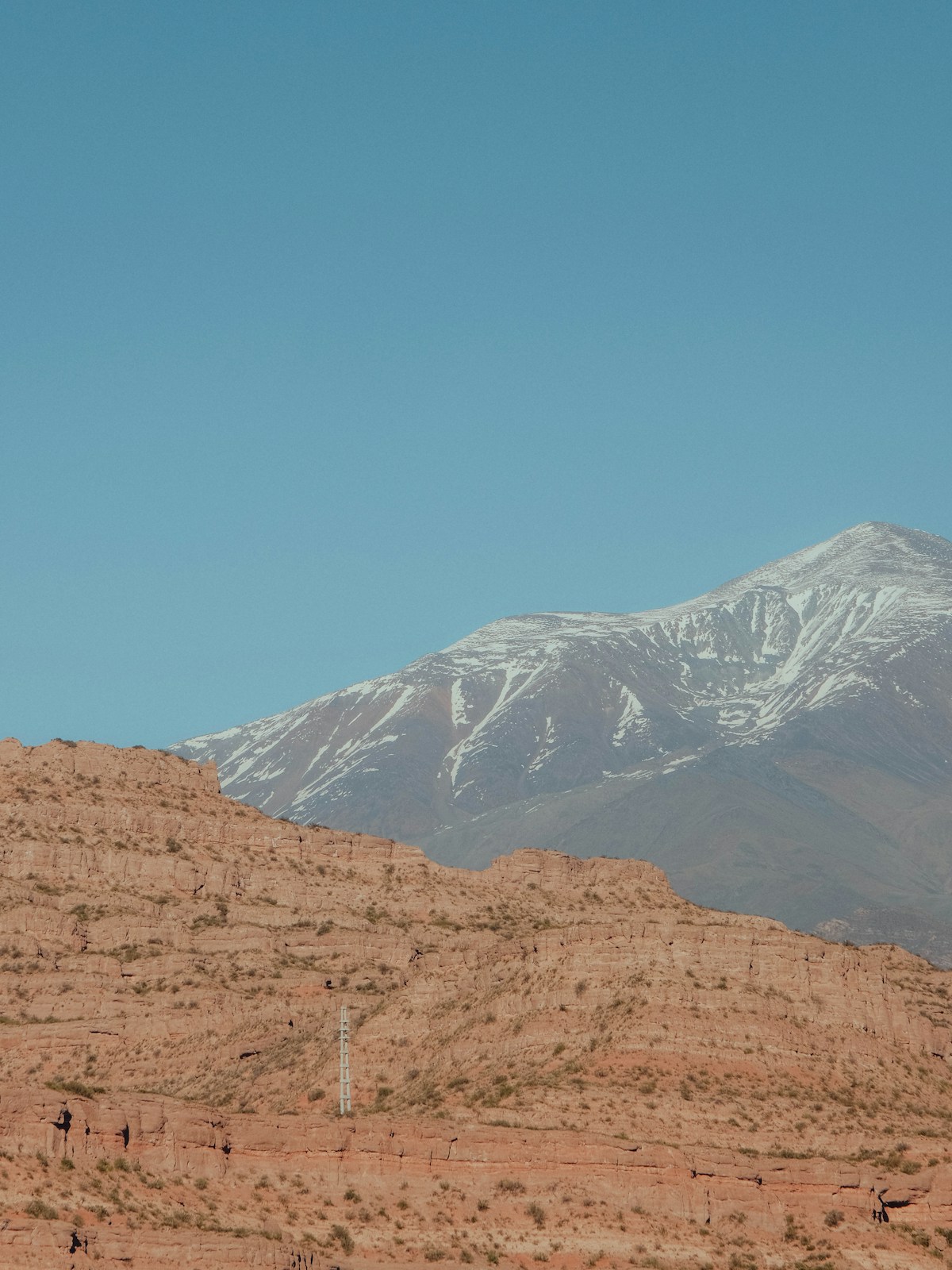
The Uco Valley is 80 kilometres south of Mendoza city, at 900–1,100 metres elevation. The scale and scenery here are different from Luján de Cuyo - the valley is broader, the Andes closer and more dramatically visible, and the vineyards more spread out. A car and driver is the practical way to navigate the day.
Andeluna and Clos de Chacras area (morning): Several high-quality bodegas are clustered around the Los Indios and La Consulta areas of the valley. Andeluna, Achaval Ferrer’s Uco Valley operation, and Zuccardi Valle de Uco are among the most visited; all require appointments.
Zuccardi Valle de Uco deserves specific mention: it opened a striking building in 2016 designed to frame views of the Andes over the vineyards, and won recognition as a significant piece of wine architecture. The tasting experience is sophisticated and the wines are among the best being produced in Argentina. Lunch here if not already booked elsewhere.
Afternoon: A second bodega visit, or the drive through the valley south toward the San Carlos area before returning to Mendoza. The landscape justifies the drive independently of the wine stops.
Day 4: Olive Oil, Mountains, and Departure
Morning: Mendoza is also Argentina’s main olive oil producing region. Several producers near the city and in Luján de Cuyo offer tastings of olive oil alongside their regular wine visits. Cruzat winery in the area produces sparkling wine (méthode champenoise) as well as olive oil - a different visit from the standard Malbec experience.
High mountain visit (optional): The Ruta 7 west from Mendoza leads toward the Chilean border crossing at Paso Los Libertadores (the road Hannibal would have taken if he had been in South America and 2,000 years later). The Aconcagua Provincial Park is accessed from here - Aconcagua itself (6,961m, the highest peak outside Asia) is visible from the road. A morning drive to the viewpoint area and back to Mendoza is feasible before an afternoon flight.
City time: Final afternoon in Mendoza for a last lunch, wine shopping (most bodegas sell directly; take home what you could not finish), and the city’s good ice cream shops.
Departure: Afternoon or evening flight back to Buenos Aires or onward to the next destination.
Booking Notes
Bodega visits in the Uco Valley require the most advance planning - the serious producers there have limited daily visitor capacity and book out in peak season. Contact by email (most have English-language websites) at least a week before arrival and ideally further ahead for January visits. Have an itinerary in mind when booking - bodegas appreciate knowing your level of wine knowledge and specific interests.
Car hire in Mendoza is straightforward but requires an international driving licence. Remise services are competitive for groups and eliminate the difficulty of parking at bodegas and the obvious limitation on tasting.
Mendoza wine tours handle transport, bodega bookings, and guides across both Luján de Cuyo and the Uco Valley - a practical alternative to self-driving for those who want to taste freely.
More on Mendoza: Mendoza city guide · Mendoza wine tasting guide · Mendoza things to do · San Rafael wine and adventure
Book Your Trip
- Flights - Find the best fares to Argentina
- Travel Insurance - Get covered before you go
- eSIM - Stay connected from landing
- Airport Transfers - Pre-book your transfer from Buenos Aires (EZE) or Bariloche
- Car Rental - Compare prices across providers
- Tours & Activities - Browse Argentina tours on GetYourGuide