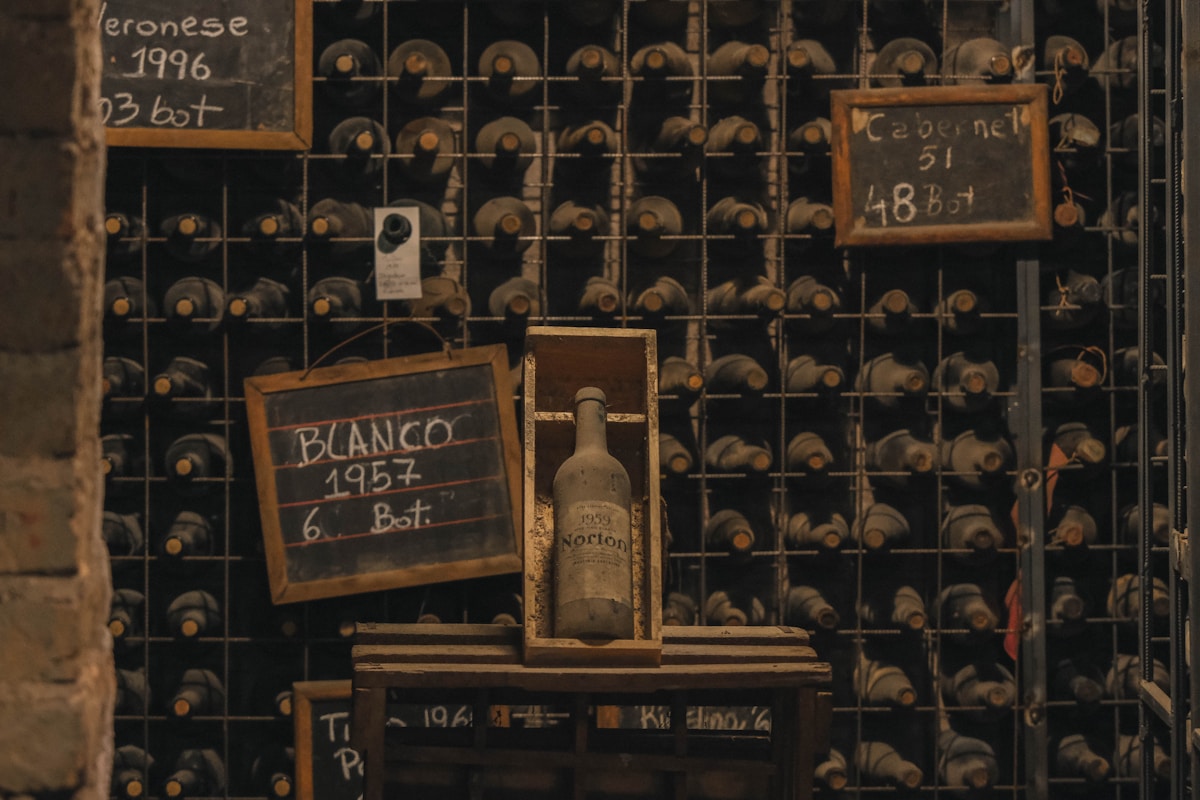
Mendoza produces around 70% of Argentina’s wine and sits at the base of the Andes at altitudes ranging from 600 to over 1,500 metres. This altitude, combined with an arid climate and the irrigation provided by Andean meltwater through a historic acequia (irrigation channel) system, creates conditions that suit the Malbec grape particularly well.
Understanding the geography helps with planning: the two main wine areas are Maipú (accessible independently by bicycle) and Luján de Cuyo (better reached by organised tour or remis). A third significant area, Valle de Uco, is about 80 km from Mendoza and produces increasingly respected wines at high altitude - worth the trip for serious wine interest.
Maipú: The Bicycle Route
The Maipú wine route is the standard independent wine touring option and works well for most visitors. From central Mendoza, take the bus from the terminal to Maipú town - the journey takes about 30 minutes. Near the Maipú bus stop, several bicycle rental shops operate (look for Mr Hugo’s and similar) offering a map of the route, a list of bodegas, and often a recommendation for where to eat lunch.
The circuit connects approximately 8–12 bodegas along paved roads, with distances of 2–5 km between stops. A typical day involves three to five bodega visits at a leisurely pace.
What to look for on the Maipú route:
- Familia Di Tomasso - Small family bodega with informal, personal tastings
- Tempus Alba - Mid-size producer with a structured tasting and food pairing option
- Finca Rutini - Larger operation with a good range and an impressive cellar
- Mevi - A wine museum and tasting in the same complex (La Rural)
The Maipú route suits visitors who want a self-directed day without a guide. The main limitation is that the bodegas on this route are not the prestige estates - those are in Luján de Cuyo and Valle de Uco.
Luján de Cuyo: Premium Bodegas
Luján de Cuyo is Mendoza’s most prestigious wine district. The Malbec produced here at 900–1,100 metres altitude is considered Argentina’s benchmark. Bodegas in this area are more polished and often more expensive to visit.
Notable bodegas in Luján de Cuyo:
- Catena Zapata - The most internationally recognised Argentine producer. The bodega building, designed to resemble a Mayan pyramid, is visually striking. Tastings require advance booking and run toward the higher end of the price scale.
- Achaval Ferrer - Boutique producer focused on single-vineyard Malbecs. Intimate tastings with genuine depth of explanation.
- Zuccardi Valle de Uco - Technically in Valle de Uco but often included in Luján day trips. The winery has received significant international attention for its high-altitude wines.
- Clos de los Siete - A collective of French investors producing Malbec-dominant blends; the bodega of Michel Rolland (Cuvelier Los Andes) is here.
Most organised wine tours in Mendoza focus on Luján de Cuyo and include transport. If you prefer to go independently, hire a remis (radio taxi) for the day - drivers familiar with the wine route will wait at each bodega.
Valle de Uco: High-Altitude Wines
Valle de Uco is about 80 km south of Mendoza and produces wines at altitudes of 900–1,500 metres. The cooler conditions at this elevation produce more structured wines with higher acidity. This is the area where the most interesting developments in Argentine wine are currently happening.
Visiting Valle de Uco requires a full day and a car or organised tour. Zuccardi and Clos de los Siete are the most visited; O Fournier, Piedra Negra, and Alpamanta are worth seeking out for serious wine interest.
What to Taste
Malbec is the starting point. Compare a Maipú or lower-altitude Malbec against a Luján de Cuyo or Valle de Uco example to understand how altitude changes the wine.
Bonarda is Argentina’s second most-planted red grape and is underrated. Less international profile than Malbec but often better value.
Torrontés is the main white grape of Argentina, grown primarily in Salta but appearing in Mendoza blends. Highly aromatic; worth trying.
Blends - Bordeaux-style blends (Cabernet Sauvignon, Merlot, Malbec) are the other Mendoza signature.
Harvest Season (March–April)
The Vendimia (grape harvest) festival takes place in early March and is one of Argentina’s largest annual events, centring on a theatrical show at the Greek Theatre in Parque General San Martín. The festival itself is a mass-audience event rather than an intimate wine experience, but visiting Mendoza during harvest lets you see the bodegas in full operation - crushing, sorting, and processing the just-picked grapes.
Accommodation in Mendoza during Vendimia fills up months in advance. Book early if you plan to visit in March.
Practical Notes
- Bring cash in addition to cards - some smaller bodegas only accept cash
- The Mendoza sun is intense; bring sun protection for the bicycle route
- Eat a substantial lunch before afternoon tastings - the combination of altitude and wine affects people more quickly than at sea level
- Most bodegas close between 1–2pm for lunch; plan around midday accordingly
See also: Mendoza travel guide · Things to do in Mendoza · Mendoza wine tours · Argentina wine regions guide · Mendoza wine and food guide