Mendoza and Bariloche are two of Argentina’s most visited destinations outside Buenos Aires - and they couldn’t be more different in character. Mendoza is a warm, sun-bleached city surrounded by vineyards and Andes peaks, built for wine lovers, cyclists, and those who want to ease into the mountains at a comfortable altitude. Bariloche is a lake-district town with Alpine architecture, serious ski terrain, serious hiking, and chocolate shops that you’ll keep returning to against your better judgement. Both are spectacular. Understanding which suits your trip is the question.
Overview
Mendoza sits at 750 metres in the Cuyo region of western Argentina, about 1,050 km from Buenos Aires. The city proper has around 115,000 residents, though greater Mendoza extends to about 1.1 million. The surrounding wine regions - Maipú (15 km south), Luján de Cuyo (30 km south), and Valle de Uco (80 km south) - are the primary draw. The Andes loom dramatically to the west, visible from everywhere in the city on a clear day. It’s warm and dry from November through March; winters are mild.
Bariloche (San Carlos de Bariloche) sits on the south shore of Lago Nahuel Huapi at 770 metres in Patagonia’s Lake District, around 1,650 km south of Buenos Aires. The city’s architecture - dark wood chalets and stone buildings - reflects its strong Swiss-German heritage, established by European immigrants in the early 20th century. Population is about 130,000. Summer (December–March) is for hiking and lake activities; winter (June–September) brings ski season at Cerro Catedral, one of the largest resorts in South America.
Getting There
From Buenos Aires, both require flights for most travellers:
Mendoza: Aerolíneas Argentinas, Flybondi, and JetSMART fly direct; approximately 1 hour 45 minutes. Fares from approximately USD 60–150. An overnight bus (approximately 14–17 hours) is a budget alternative from approximately ARS 15,000–25,000.
Bariloche: Flight time approximately 2 hours 15 minutes on Aerolíneas, Flybondi, and JetSMART. Fares from approximately USD 60–180. Bariloche to Mendoza directly: there’s no regular direct route; most travellers fly via Buenos Aires, making back-to-back visits a multi-day commitment with transit time. The scenic Cruce de Lagos bus-and-ferry route from Bariloche to Puerto Montt, Chile (2 days) is a popular one-way option for those continuing to Chilean Patagonia.
Things to Do
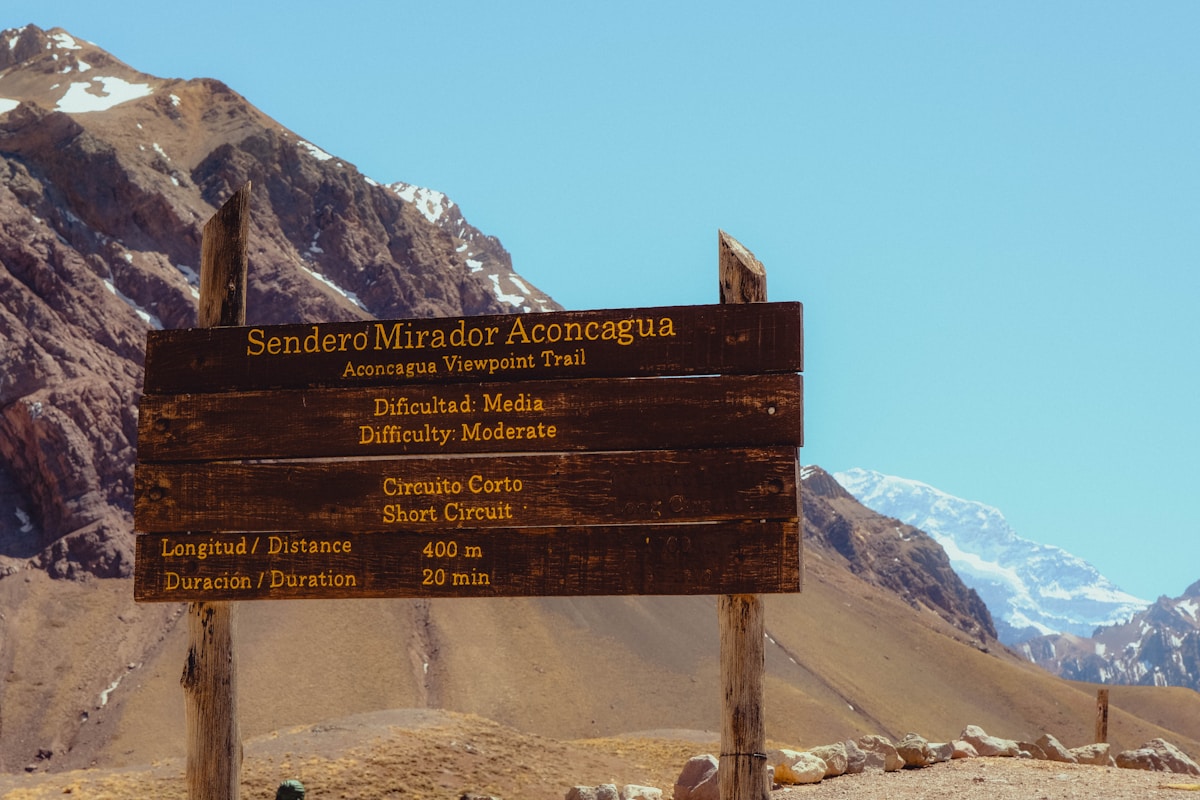
Mendoza is wine-first. A day in Maipú by bike - renting from a guesthouse in the town plaza (approximately USD 10–15) and riding between four or five bodegas - is the classic Mendoza experience. More structured wine tours in Mendoza through operators like Ampora Wine Tours or Trout & Wine cost approximately USD 80–150 per person and include transport. The Valle de Uco is where Mendoza’s most ambitious producers work: Zuccardi, Achaval Ferrer, and Clos de los Siete are all based here, with tastings from approximately USD 30–80 per person. Beyond wine: the Aconcagua Provincial Park (access from the Los Horcones trailhead, 185 km from the city) draws climbers and serious hikers from around the world. Day hiking in the lower park is accessible without a permit; Aconcagua summit attempts require an expedition permit (approximately USD 800–1,500 as of 2026). See our Mendoza wine tasting guide and things to do in Mendoza for full details.
Bariloche centres on its mountains and lakes. The Circuit Chico - a 60 km loop by car or bike past Lago Moreno, Cerro López, and the Llao Llao Peninsula - takes half a day and covers some of the region’s best scenery. Cable car to Cerro Otto approximately ARS 6,000 return; Cerro Catedral gondola approximately ARS 8,000–12,000. In summer, hikes on Cerro Tronador (a glacier-capped volcano accessible by unpaved road, 80 km from Bariloche) and around Lago Falkner in the Circuit Grande reward serious effort. Winter ski passes at Cerro Catedral cost approximately ARS 25,000–40,000 per day - budget higher for peak weeks in July. The city’s chocolate tradition is worth engaging with: Rapa Nui, Mamuschka, and Abuela Goye along Calle Mitre are the main producers. See our Bariloche skiing guide, trekking in Bariloche, and things to do in Bariloche.
Food and Drink
Mendoza has one of Argentina’s best wine-country food scenes. 1884 Restaurante by Francis Mallmann, inside Bodega Escorihuela Gascón, is the flagship experience - approximately ARS 20,000–32,000 per person for a full dinner with wine. More accessible: Azafrán on Calle Sarmiento (excellent parrilla and local wines; approximately ARS 10,000–18,000), and the olive oil and cheese producers in Maipú who sell direct. Trout, goat cheese from the Andes, and house-cured Ibérico-style products feature on most upscale menus. The wine, obviously, is exceptional and cheap relative to what you’d pay in Buenos Aires.
Bariloche leans on its trout and game. The Nahuel Huapi trout (farmed in the lake’s tributary rivers) appears on most restaurant menus: Cassis restaurant on the lake road does an excellent version at approximately ARS 14,000–22,000 per person. The craft beer scene is strong - Manush and Blest have taprooms with their own seasonal ales. The city’s German heritage shows in the smoked meat products and pastries at Delicatessen on Mitre. Patagonian lamb (cordero patagónico, slow-roasted) is the other meat benchmark.
Where to Stay
Mendoza accommodation ranges from budget hostels (from approximately ARS 8,000 per night dorm) through mid-range boutique hotels (USD 70–130) to the wine-country lodge splurge: Cavas Wine Lodge in Luján de Cuyo starts at approximately USD 400 per night for individual casitas among the vines, with Andes views. In the city, Park Hyatt Mendoza on Plaza Independencia charges approximately USD 180–280; Hotel Bohemia is a good independent alternative at USD 80–120.
Bariloche similarly spreads across budget to high-end. The landmark is Llao Llao Resort & Golf - a 1930s hotel on a forested peninsula with views of three lakes - starting at approximately USD 450–700 per night. Mid-range: Design Suites Bariloche (lake views, on the main road towards Llao Llao) at approximately USD 100–160. Budget travellers cluster around Calle Mitre in the centro: private rooms in small guesthouses from approximately ARS 12,000–18,000 per night. Prices spike significantly in July ski season.
Budget
The costs are broadly comparable for a mid-range traveller. A comfortable day in Mendoza including accommodation, meals, and a winery day tour runs approximately USD 100–150. A day in Bariloche during summer (non-ski season) costs approximately USD 90–140. Bariloche in ski season (July–August) is the expensive outlier - ski passes, gear rental, and inflated accommodation can push daily costs to USD 200+.
The Verdict
Choose Mendoza if wine is your primary lens, or you want to combine Andes proximity with a warmer, more relaxed city base. It’s also the better choice for connecting to a Chile crossing via Paso Los Libertadores (into Santiago, approximately 3 hours by bus).
Choose Bariloche if you’re focused on hiking or skiing, want dramatic lake scenery, or are connecting to Chilean Lake District via the Cruce de Lagos route. It’s the better standalone Patagonia experience for those who aren’t planning to go further south to El Calafate.
Many Argentina itineraries include both - Mendoza as part of the central/western circuit and Bariloche as the Patagonia gateway. They don’t compete with each other in practice; they anchor different sections of the country.