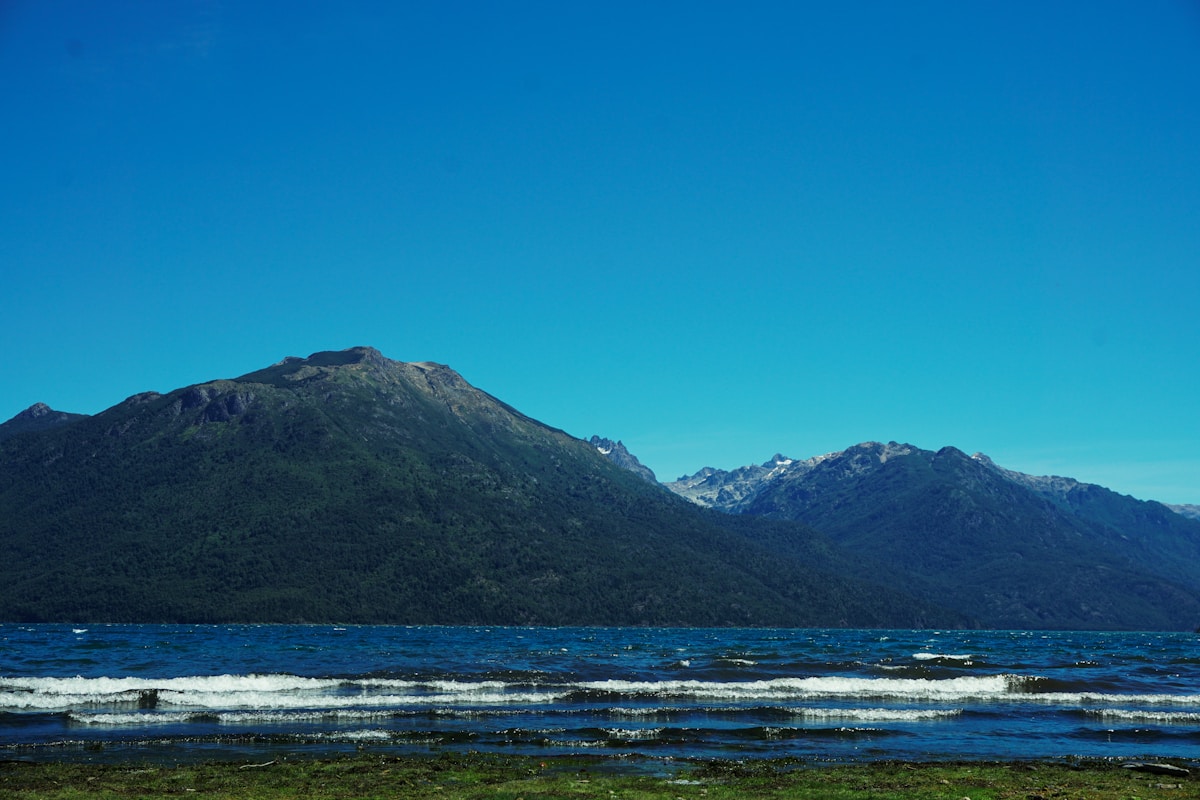
Bariloche (officially San Carlos de Bariloche) sits on the southern shore of Nahuel Huapi lake at the edge of the Andes, surrounded by the peaks, forests, and rivers of Nahuel Huapi National Park. The city of around 140,000 people is the gateway to the Argentine Lake District - a stretch of Andean lakes and beech forest that runs from here north toward San Martín de los Andes and Junín de los Andes.
The town’s character was shaped by Swiss, German, and Austrian immigrants who arrived in the late 19th and early 20th centuries; the European influence is visible in the architecture (particularly the stone and wood Centro Cívico building) and in the food culture, which centres heavily on chocolate.
Centro Cívico and the Lakefront
The Centro Cívico is the stone-built civic heart of Bariloche, designed in a Germanic Alpine style and sitting at the edge of the lake. The main square here is the obvious orientation point: chocolate shops, outdoor gear stores, restaurants, and the cathedral surround it. The lakefront promenade extends east and west and is worth walking early or late in the day when the light on the water is best.
Cerro Campanario
A cable car runs from near the city up to Cerro Campanario (1,049m), offering a panoramic view across Nahuel Huapi lake, the surrounding peaks, and the town below. The view is frequently cited as one of the best in Argentina. The cable car trip takes about 4 minutes; the summit has a café. It gets busy during peak season - arrive early or late afternoon. The peak can also be reached on foot (a 2–3 hour hike round trip from the base).
Boat Trips on Nahuel Huapi
Several operators run boat excursions on Nahuel Huapi lake. The most popular is the trip to Isla Victoria (a forested island with trails and a lodge) and the Bosque de Arrayanes - a forest of arrayán trees (Luma apiculata) whose cinnamon-coloured bark is distinctive. Full-day excursions depart from Puerto Pañuelo, about 25 km west of Bariloche on the Llao Llao peninsula. Book in advance during summer. For a broader mix of lake district tours in Bariloche, local operators package the boat trip with Circuito Chico stops.
A shorter option is the boat to Isla Huemul (1–2 hours) or the crossing to the southern shore for hiking access.
Circuito Chico
The Circuito Chico is a 60–70 km drive or cycle loop west of Bariloche along the lake, passing through forest and small beaches, around the Llao Llao peninsula, and past the landmark Llao Llao hotel. The drive takes 2–3 hours with stops; cycling the full circuit is an ambitious full day. Key stops include:
- Playa Bonita - A small beach popular with locals in summer
- Llao Llao Hotel - The iconic 1937 hotel in wooden and stone construction; the building is worth seeing even if you’re not staying there; the hotel’s café is open to visitors
- Capilla San Eduardo - A small wooden chapel on the Llao Llao peninsula
Chocolate
Bariloche’s claim to being Argentina’s chocolate capital rests on decades of Swiss-German confectionery tradition. The main street (Mitre) has a high density of chocolate shops - Rapa Nui, Mamuschka, Del Turista, and others. The quality varies between artisan producers and tourist-facing retail. Rapa Nui is generally considered the best artisan option.
Beyond purchasing, some chocolaterías offer chocolate-making workshops (typically 1–2 hours, bookable in advance). Good for a rainy afternoon activity.
Day Trips
Cascada de los Césares - A waterfall about 35 km from Bariloche; accessible by bicycle or car, with a short walk from the road.
Villa La Angostura - A smaller lakeside town 80 km north of Bariloche with a more tranquil character. Worth a day trip for the Bosque de Arrayanes (a second arrayán grove, more compact than the island version) and the quieter lake setting.
San Martín de los Andes - 200 km north (about 3 hours by bus) in the Seven Lakes Route corridor. More expensive and upscale than Bariloche; good for a longer side trip if you have time.
Trekking
Nahuel Huapi National Park offers extensive trail networks accessible from Bariloche. For detailed route information, see our dedicated trekking around Bariloche guide.
Skiing
Cerro Catedral is one of South America’s largest ski resorts, accessible 20 km from Bariloche. For lift passes, runs, and ski season details, see our skiing in Bariloche guide.
See Also: Bariloche travel guide · Patagonia trekking guide · San Martín de los Andes guide · Where to stay in Bariloche