Buenos Aires sits at the mouth of the Río de la Plata, which means a day of travel in almost any direction opens up genuinely different landscapes and cultures. The Tigre Delta is subtropical and green, a labyrinth of waterways less than an hour away. Cross the river and you’re in colonial Uruguay. Ride west into the Pampas and you reach Argentina’s gaucho heartland. South lies La Plata, a purpose-built capital with one of South America’s great natural history museums.
These are the four best day trips from Buenos Aires, with honest transport information and costs as of 2026.
Tigre Delta
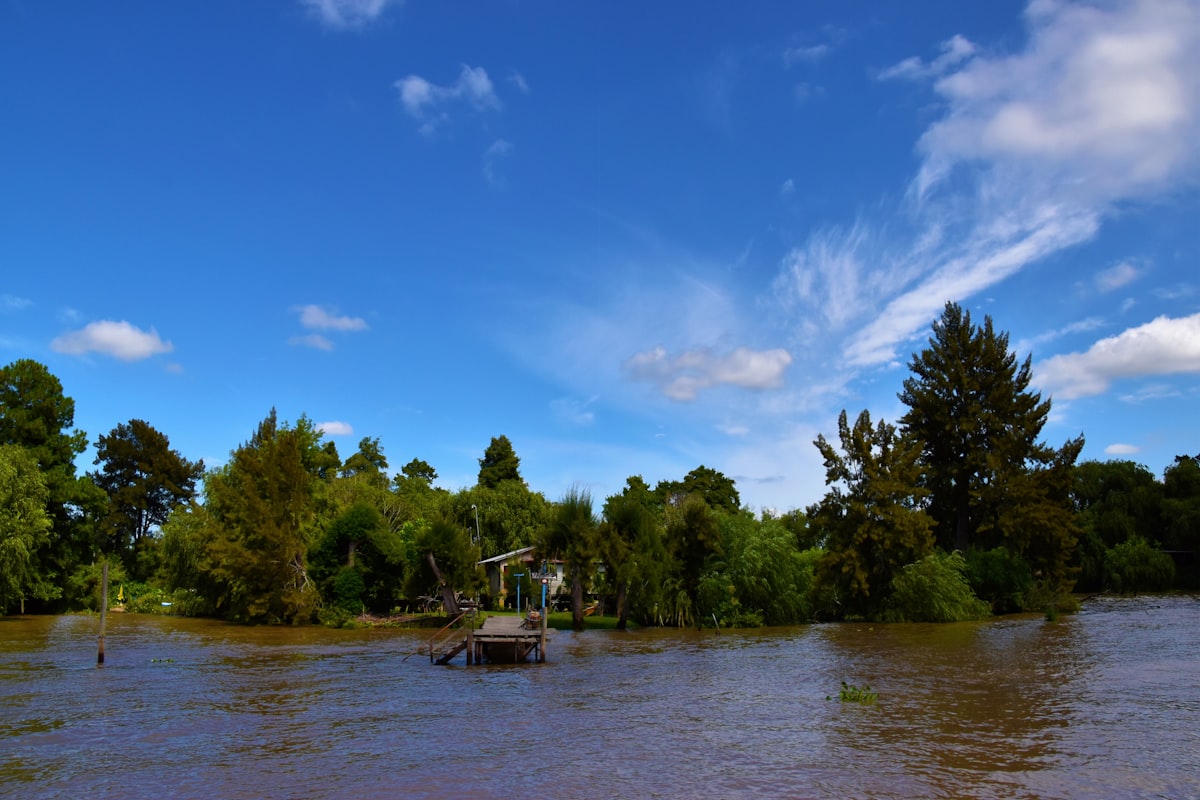
The Tigre Delta is where the Paraná river breaks into hundreds of channels before emptying into the Río de la Plata. Wooden houses sit on stilts above the water, connected by boat rather than road. This isn’t a manicured attraction - people live here, children take water taxis to school, and the rhythm is unhurried.
How to get there: From Retiro station in Buenos Aires, take the Mitre Line train to Tigre terminus (approximately 50 minutes, around ARS 300 as of 2026). Alternatively, take the Tren de la Costa from Maipú station in Olivos - a slower, more scenic route through northern suburbs that terminates at Delta station in Tigre, adjacent to the embarcadero (around 25 minutes from Maipú).
In Tigre: The Puerto de Frutos is a riverside market selling handcrafted goods, plants, and furniture - worth a browse before boarding a boat. The embarcadero (dock area) is lined with launch companies offering one-hour and two-hour narrated river circuits. Prices range from approximately ARS 6,000 to ARS 12,000 per person depending on duration and company. The tourist launch operated by Sturla Viajes is the most established for short circuits.
For a more immersive experience, full-day delta excursions from Buenos Aires include kayaking through secondary channels and lunch at a riverside restaurant.
Budget: A self-directed day in Tigre - train fare, launch circuit, and lunch - costs approximately ARS 15,000–25,000 per person as of 2026 (around $15–25 USD at the official rate).
Colonia del Sacramento, Uruguay
A 50-minute ferry ride across the Río de la Plata brings you to Uruguay’s oldest city, founded by the Portuguese in 1680 and now a UNESCO World Heritage Site. The Barrio Histórico (old town) sits on a small peninsula and retains much of its colonial-era layout - cobblestone streets, low whitewashed buildings, and a lighthouse built on the ruins of a Spanish convent.
How to get there: Two companies operate the crossing:
- Buquebus - fast ferry (1 hour) or slow ferry (3 hours); departs from Terminal Fluvial in Puerto Madero. Fast crossing tickets from approximately $50–80 USD round trip as of 2026.
- Seacat - competitive pricing on the fast crossing; same terminal.
Book online in advance, especially in summer (December–February). You’ll need your passport and will clear both Argentine and Uruguayan immigration at the terminals.
In Colonia: The Barrio Histórico is compact and walkable. The Calle de los Suspiros (Street of Sighs) is the most photographed street - short, narrow, paved with river stones. The Real de San Carlos complex (a bullring, racecourse, and hotel from the early 1900s, now abandoned and partly ruined) is an atmospheric 2 km walk north of the old town.
Lunch in Colonia is notably cheaper than Buenos Aires for a comparable meal. A main course at a riverside restaurant runs approximately $10–18 USD. Pay in Uruguayan pesos or USD - Argentine pesos are not widely accepted across the river.
Passport note: Argentine citizens can use a DNI to enter Uruguay. All other nationalities need a valid passport.
San Antonio de Areco
San Antonio de Areco, 113 km west of Buenos Aires, is the canonical gaucho town - small, well-preserved, and genuinely proud of its tradition rather than performing it for tourists. The town hosts the Día de la Tradición festival each November (around the 10th), when gaucho riders from across Argentina converge for displays of horsemanship. Outside festival season, it’s quiet, which is part of the appeal.
How to get there: From Terminal de Ómnibus de Retiro in Buenos Aires, buses run regularly with Chevallier and General Urquiza (approximately 2 hours, ARS 3,500–5,000 as of 2026). Buses drop you in the town centre, a short walk from everything worth seeing.
In San Antonio de Areco: The Museo Gauchesco Ricardo Güiraldes (entry approximately ARS 2,000) recreates 19th-century gaucho life on a small estancia outside town. Pulpería La Blanqueada on the main plaza is the classic place for a beer or a glass of Malbec. The town has several silversmiths producing traditional gaucho belt buckles, facones (knives), and mate sets - craft quality is genuinely high.
For a more immersive day, estancia day tours from Buenos Aires include lunch, gaucho demonstrations, and horseback riding at working estancias near Areco, priced from approximately $120–180 USD per person with transport.
Budget: Self-directed bus day - return fare plus museum entry and lunch - approximately ARS 20,000–30,000 per person.
La Plata
La Plata was founded in 1882 as the new capital of Buenos Aires Province after the city of Buenos Aires was federalised. It was planned from scratch on a grid-diagonal hybrid system - every 6 blocks, a diagonal cuts across the grid, creating a distinctive star pattern visible on any map. The result is a city of wide avenues, abundant parks, and grand public buildings that feels unhurried after Buenos Aires.
How to get there:
- Bus: Regular services from Retiro and Plaza Constitución in Buenos Aires run around the clock (approximately 1.5 hours, ARS 2,500–3,500).
- Train: Roca Line trains from Constitución station to La Plata Ferrocarril (approximately 1 hour, ARS 300–500).
In La Plata:
The Catedral de La Plata is neo-Gothic on a scale that would look at home in northern France - construction began in 1884 and wasn’t completed until 1999. Entry is free. Climbing the towers costs approximately ARS 3,000 and gives views over the city’s diagonal street pattern.
The Museo de Ciencias Naturales (Natural Sciences Museum, entry approximately ARS 3,500) houses one of South America’s most complete paleontology collections, including a full skeleton of a glyptodon, multiple sauropod dinosaurs, and the holotype of Argentinosaurus - one of the largest land animals known to science. Budget at least two hours here.
The Pasaje Dardo Rocha is a 19th-century arcade converted into a cultural centre, with a good café.
Budget: A full day in La Plata - bus return, two museum entries, and lunch - approximately ARS 25,000–35,000 per person.
Comparing the Four Options
| Destination | Travel time each way | Approx return cost | Best for |
|---|---|---|---|
| Tigre Delta | 50–75 min | ARS 600–1,000 (train) | Nature, relaxed pace |
| Colonia del Sacramento | 1 hour | $50–80 USD (ferry) | History, different country |
| San Antonio de Areco | 2 hours | ARS 7,000–10,000 (bus) | Gaucho culture |
| La Plata | 1–1.5 hours | ARS 5,000–7,000 (bus) | Museums, architecture |
For a curated guided experience, GetYourGuide operators in Buenos Aires offer transport-included day trips to most of these destinations, typically departing from central Buenos Aires hotels. For same-day or short-notice options, last-minute Buenos Aires tours covers day trip availability with less lead time than self-booking.
See also: Buenos Aires travel guide · Tango in Buenos Aires · Getting around Argentina