July is the heart of the Argentine winter, and it has a dual character: peak season for skiing and domestic family holidays, while the rest of the country hits its quietest and coldest stretch.
Buenos Aires in July
July is the coldest month in Buenos Aires - average highs around 12°C, lows around 7°C. It doesn’t often snow, but cold wet fronts from the south are common. The city is fully functional and culturally active, with theatres, art galleries, and restaurants all operating normally.
July is actually one of the more interesting months to experience Buenos Aires if you’re comfortable with cold weather and want to see the city as locals use it. Tourism is minimal, prices are low, and the city’s indoor cultural offer - milongas, cinema, the Colón’s opera season - is worth seeking out.
The July school holidays (vacaciones de invierno) see a notable uptick in Argentine domestic travel, which primarily affects Bariloche and Mar del Plata but has little impact on Buenos Aires itself.
Ski Season: Peak Month
Bariloche (Cerro Catedral): July is peak ski season. Snow cover is typically at its deepest, all lifts are operating, and the resort is packed with Argentine school holiday families in the two middle weeks of July. Accommodation should be booked months ahead if you want the holiday week period. Outside the school holiday fortnight, early and late July are significantly quieter.
Las Leñas: July is also Las Leñas’ prime month. Higher altitude means more reliable powder conditions. The resort is smaller and more remote than Bariloche - the nearest city is Malargüe, about 70km away. Worth the effort for serious skiers; not ideal as a first Argentine trip.
Other ski options: Cerro Chapelco near San Martín de los Andes is smaller than Bariloche but less crowded and set in beautiful lake district scenery. A good alternative for families or intermediate skiers.
Northwest Argentina in July
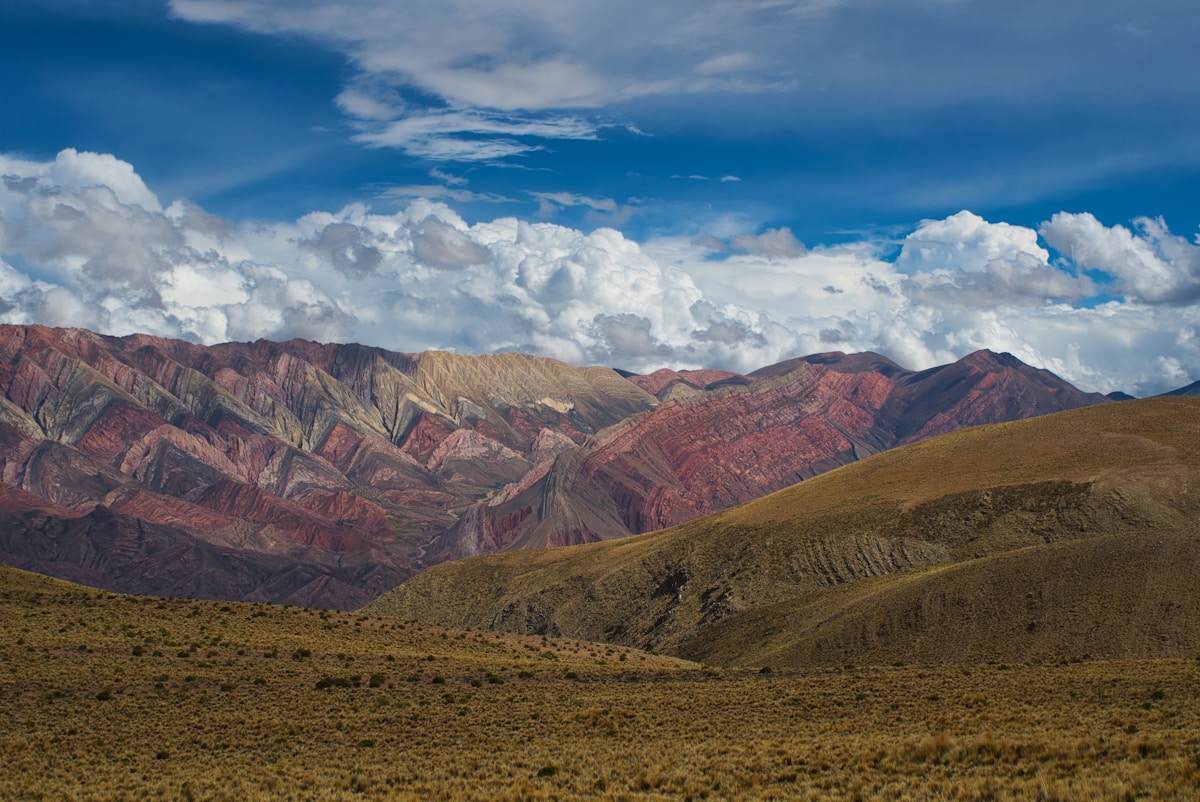
The northwest in July is dry, clear, and cold at altitude. Salta city sits at around 1,200m and is comfortable - 16–20°C in the day with cold nights. The Quebrada de Humahuaca and the Puna plateau are at their clearest and driest. The town of Humahuaca hosts religious festivals around July 28 (Día de los Exiliados de la Independencia) with local celebrations.
The Tren a las Nubes runs its regular schedule (confirm current operation as the service occasionally suspends for maintenance).
Patagonia in July
El Chaltén and most trekking infrastructure in Patagonia is closed. El Calafate maintains year-round operation for the Perito Moreno Glacier. The glacier walks run throughout winter; the viewing walkways are safe and impressive in the snow. Ushuaia has a small winter tourism economy, with activities including snowmobile excursions and cross-country skiing in Tierra del Fuego National Park. Daylight is limited - around 7 hours.
Iguazú Falls in July
July is a good off-peak month for Iguazú. Water levels are typically moderate, crowds are lower than in summer, and temperatures are pleasant - around 22–26°C. Argentine school holidays in mid-July bring a brief increase in domestic visitors but the park handles this well. This is a reasonable combination with Buenos Aires during a July visit.
Practical Notes for July
- Bariloche bookings: If you’re visiting for skiing during the school holiday fortnight (typically the two middle weeks of July), book everything 3–4 months ahead. Peak prices apply.
- Buenos Aires cold: Pack proper winter clothing. A heavy coat, layers, and waterproof boots are not optional.
- Public holiday: July 9 is Independence Day (Día de la Independencia) - a major national holiday. Buenos Aires holds ceremonies, some businesses close, and domestic travel increases.
- Currency: No seasonal change to the peso/USD dynamic. Casas de cambio operate normally year-round.
- Ski gear rental: Available at both Cerro Catedral and Las Leñas. Renting locally is practical unless you have specialist equipment.
Beyond skiing, July is a solid month for Buenos Aires cultural tours and the northwest. Guided tours across Argentina cover tango experiences, Buenos Aires food walks, and Quebrada de Humahuaca excursions that work well in July conditions.
See also: Best time to visit Argentina · Bariloche travel guide · Skiing at Cerro Catedral · San Martín de los Andes travel guide · Buenos Aires travel guide
Plan Your Trip
✈️ Book your flights to Argentina 🛡️ Get travel insurance 📱 Stay connected with an eSIM 🚗 Rent a car