El Chaltén, Argentina: Fitz Roy Trekking Base
Free national park entry, Fitz Roy at your door, and Laguna de los Tres within reach - El Chaltén is Patagonia's best free trekking base.
Guides for El Chaltén
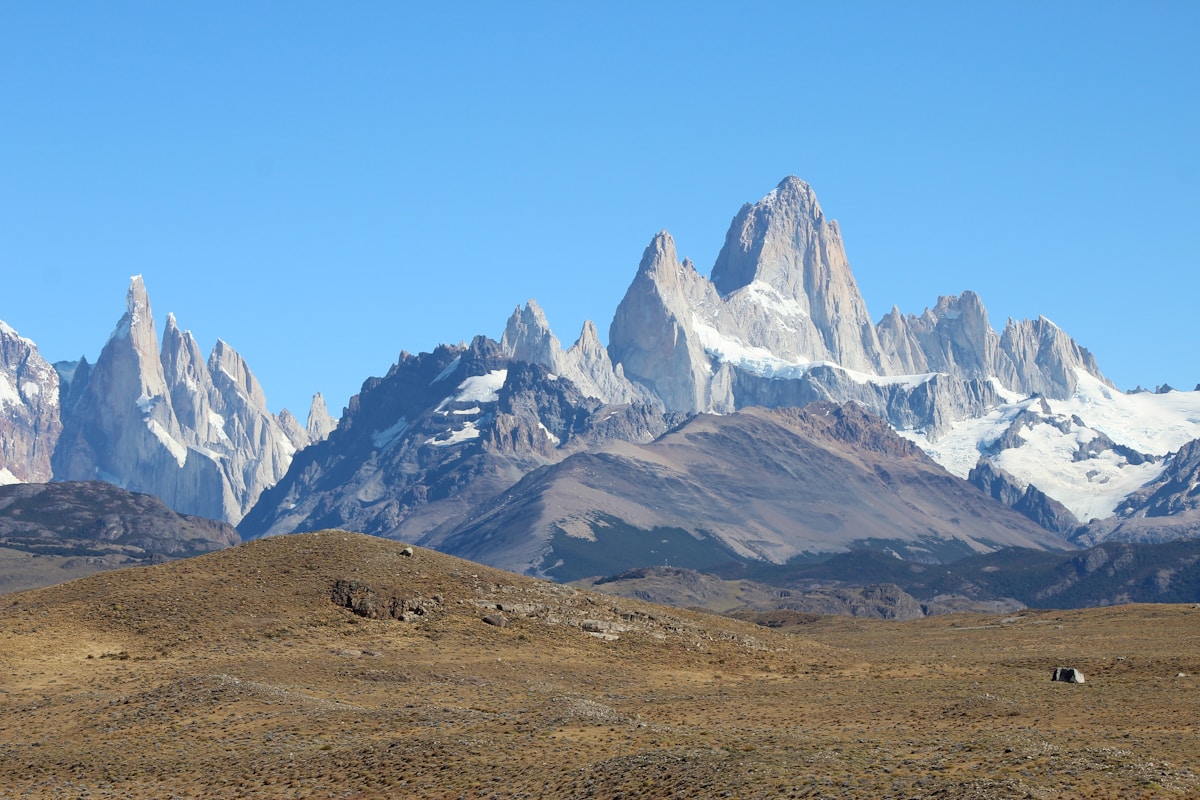
El Chaltén is a small village of around 2,000 permanent residents at the northern end of Los Glaciares National Park, in the Santa Cruz Province of Argentine Patagonia. Founded only in 1985 as an Argentine territorial claim, it has become one of the most significant trekking destinations in South America. The village sits at the base of the Fitz Roy massif - a cluster of granite towers and needles including Cerro Fitz Roy (3,405 m) and Cerro Torre (3,128 m) - which rise almost vertically from the surrounding steppe. All trekking trails leave directly from the village, and park entry is free.
Laguna de los Tres
The Laguna de los Tres trail is the definitive El Chaltén hike - 21 km return, 8–10 hours, gaining 1,000 metres to reach a glacial lagoon directly below the north face of Fitz Roy. The final 400-metre ascent to the lagoon is steep and exposed; the view from the top on a clear day, with Fitz Roy’s towers reflected in the turquoise water, is among the most photographed landscapes in Patagonia. Early morning starts (5–6am) catch the best light on the granite and avoid the worst of the afternoon wind. An alternate return via Laguna Capri adds colour and variety.
Laguna Torre
The Laguna Torre trail is a slightly easier half-day or full-day option - 18 km return, 5–7 hours - ending at a lagoon beneath Cerro Torre’s near-vertical granite shaft. The peak is widely regarded as one of the most technically demanding climbs in the world. From the lagoon, the view takes in the tower, the hanging Glacier Grande that feeds it, and the scattered icebergs in the water below. A viewpoint platform at Mirador Maestri provides an early stopping option for those with less time.
Vuelta al Huemul (Multi-Day)
The Huemul Circuit is a 4-day, 70 km loop that crosses the Southern Patagonian Ice Field edge via the Paso del Viento (Wind Pass), with mandatory Tyrolean traverses across glacial rivers. It requires registration, prior trekking experience, and gear for self-sufficient camping in severe weather. It is significantly more demanding than the day hikes and should not be attempted without proper preparation. Permits are limited.
Viedma Glacier Day Trip
The Viedma Glacier, which drains from the Southern Patagonian Ice Field into Lago Viedma southeast of El Chaltén, is the largest glacier in Argentina by surface area. Guided day trips combine a boat transfer across the lake with a 2-hour ice-trekking session on the glacier surface. This is the main activity-based excursion for visitors who want something beyond trail hiking. Operators provide crampons and all ice-walking equipment. Tours cost approximately USD 120–160 per person, depart in the morning, and return by late afternoon; book at least a day in advance during peak season as groups are limited in size.
The Village
El Chaltén itself is a single main street - San Martín - with gear shops, restaurants, a bakery, and a small supermarket. Patagonia and Black Sheep gear rental shops on San Martín rent trekking poles, crampons, and sleeping bags for those who arrive under-equipped. The park ranger office (Intendencia) at the village entrance provides obligatory trail briefings and weather forecasts for anyone starting a day hike; these take 15 minutes and are genuinely useful. The village has reliable Wi-Fi in most hostels and restaurants but no ATM that reliably dispenses cash - bring pesos and USD from El Calafate.
Where to Stay
El Chaltén’s accommodation runs from basic campgrounds at park-designated sites along the trails to guesthouses and mid-range hotels in the village. There is no luxury accommodation. Booking is essential for the November–March peak season; the village fills quickly and rates reflect the demand. Most guesthouses include breakfast.
Search hotels in El Chaltén on Booking.com
Mid-range: Hostería Senderos on Avenida San Martín is a reliable choice from approximately USD 90 per night including breakfast, with private rooms and a common lounge used by most guests as a planning and drying area after wet days. Hostería Kaulem, also centrally located, runs from approximately USD 75 per night and is quieter with slightly smaller rooms.
Budget: Rancho Grande Hostel on San Martín is the most popular backpacker hostel, from approximately USD 20 per dorm bed, with a social kitchen and a noticeboard showing current trail conditions. Condor de los Andes on Río de las Vueltas street offers dorm beds from approximately USD 16.
Camping: Free campgrounds within the park (Poincenot, De Agostini, Laguna Torre) have no facilities beyond flat ground and a latrine; the paid Campamento El Chaltén in town charges approximately USD 15 per tent site and has hot showers and a communal kitchen.
Where to Eat
Post-hike dining in El Chaltén centres on a handful of restaurants on San Martín and the cross streets. Patagonicus on Güemes street is the standard gathering spot after long days on trail — pizza, pasta, and local craft beer from Cervecería Hops, mains from approximately ARS 5,000–10,000. Techado Negro on Antonio Rojo street is the best option for Patagonian lamb (cordero patagónico), slow-roasted and served with local sides from approximately ARS 8,000–15,000 — worth booking ahead in peak season. Ruca Mahuida on Lionel Terray street is a more intimate restaurant with a short menu focused on locally sourced trout and lamb, mains from approximately ARS 9,000–16,000. Most restaurants close between lunch and dinner service; arriving before 7pm avoids queues. The bus from El Calafate to El Chaltén costs approximately ARS 15,000–20,000 one-way with Calafate Bus or TAQSA. Prices listed are approximate as of 2026.
Getting There and Around
El Chaltén is 3.5 hours north of El Calafate by bus on unpaved Ruta 23 - the main bus company (Calafate Bus) runs several services daily during peak season. There is no airport in El Chaltén; all access is via El Calafate. Within the village, everything is walkable; the trail heads are a 5–15 minute walk from any accommodation. For those who want a guide for the Viedma Glacier or specialist trekking circuits, hiking tours in El Chaltén can be booked in advance through established local operators.
Best Time to Visit
November to March is the trekking season. January and February are the most popular months - long daylight hours (up to 17 hours), temperatures of 10–20°C, and the most reliable trail conditions. October and April are shoulder months with smaller crowds but higher wind probability and shorter daylight. May through September, the trails are cold, often icy, and some infrastructure closes; experienced winter trekkers visit but it requires full cold-weather preparation.
Explore more: Things to do in El Chaltén · Where to stay in El Chaltén · Day trips from El Chaltén · Best restaurants in El Chaltén · Patagonia trekking guide
Compare cities: El Chaltén vs Ushuaia
Upcoming Events in El Chaltén
Iguazu National Park Anniversary
Iguazu National Park Anniversary 2026, 9 November. Free park entry, cultural events, and environmental programming in Puerto Iguazú.
Cosquín National Folk Festival
Cosquín Folk Festival 2027 runs 22 to 31 January in Córdoba province - ten nights of chacarera, zamba and folk on the Plaza Próspero Molina open-air stage.
Book an experience
Top experiences in El Chaltén
Explore the best tours and activities in El Chaltén , with instant confirmation and free cancellation on most bookings.
Planning to visit? Browse hotels in El Chaltén, free cancellation on most bookings.