For a full overview of all seasons, see our best time to visit Argentina guide.
January falls squarely in Argentine summer - and the country splits into two very different travel experiences depending on where you go.
Buenos Aires in January
The capital in January is hot and humid. Average temperatures sit around 30–34°C, with overnight lows rarely dropping below 22°C. Humidity makes it feel heavier than the thermometer suggests. The city doesn’t shut down entirely, but a significant portion of porteños (Buenos Aires residents) head to the Atlantic coast - Mar del Plata, Pinamar, Villa Gesell - for the summer holidays. This gives the city a slightly emptier feel than usual.
Neighbourhoods like Palermo and San Telmo remain active, and museums, restaurants, and the metro all operate normally. Outdoor markets run reduced schedules. If your main goal is Buenos Aires tango culture and street life, March or April gives you the same city in far more comfortable conditions.
Patagonia in January
This is the prime month to visit Patagonia. January delivers long daylight hours (sunset after 10pm in El Chaltén), reliably dry weather in comparison to the rest of the year, and full access to all trails including the Fitz Roy Circuit and Perito Moreno Glacier walkways. Crowds are at their highest, particularly around El Calafate and Torres del Paine across the border in Chile.
Booking ahead is essential. Accommodation in El Chaltén, the gateway to the Fitz Roy range, sells out months in advance for January dates. Budget hostels and mid-range lodges alike fill up. If you’re arriving without a reservation, expect to be turned away or pushed to limited options.
Northwest Argentina in January
The Andean northwest - Salta, Jujuy, the Quebrada de Humahuaca - enters its wet season in January. Afternoon thunderstorms and occasional road closures due to flooding are common. The landscapes turn green and dramatic in this period, which some travellers prefer. The Salinas Grandes salt flats are accessible, though roads can be affected after heavy rain.
Iguazú Falls in January
January is one of the wetter months at Iguazú, which means the falls run at high volume and the lower catwalks can flood. The national park stays open, and the falls are genuinely impressive when the water level is high. Heat and humidity here are intense - 35°C with tropical humidity. Go early in the morning before the heat peaks.
Mendoza in January
January in Mendoza is hot - daytime temperatures regularly exceed 35°C - but the wine tourism infrastructure operates year-round. The Malbec vineyards of Luján de Cuyo and the Uco Valley are in full summer canopy. Winery visits are best scheduled for mornings before the heat peaks. The harvest season (vendimia) doesn’t begin until late February, so January is purely a tasting and touring month. Cycling between bodegas in the Maipú zone is possible but start early and carry water.
Atlantic Coast
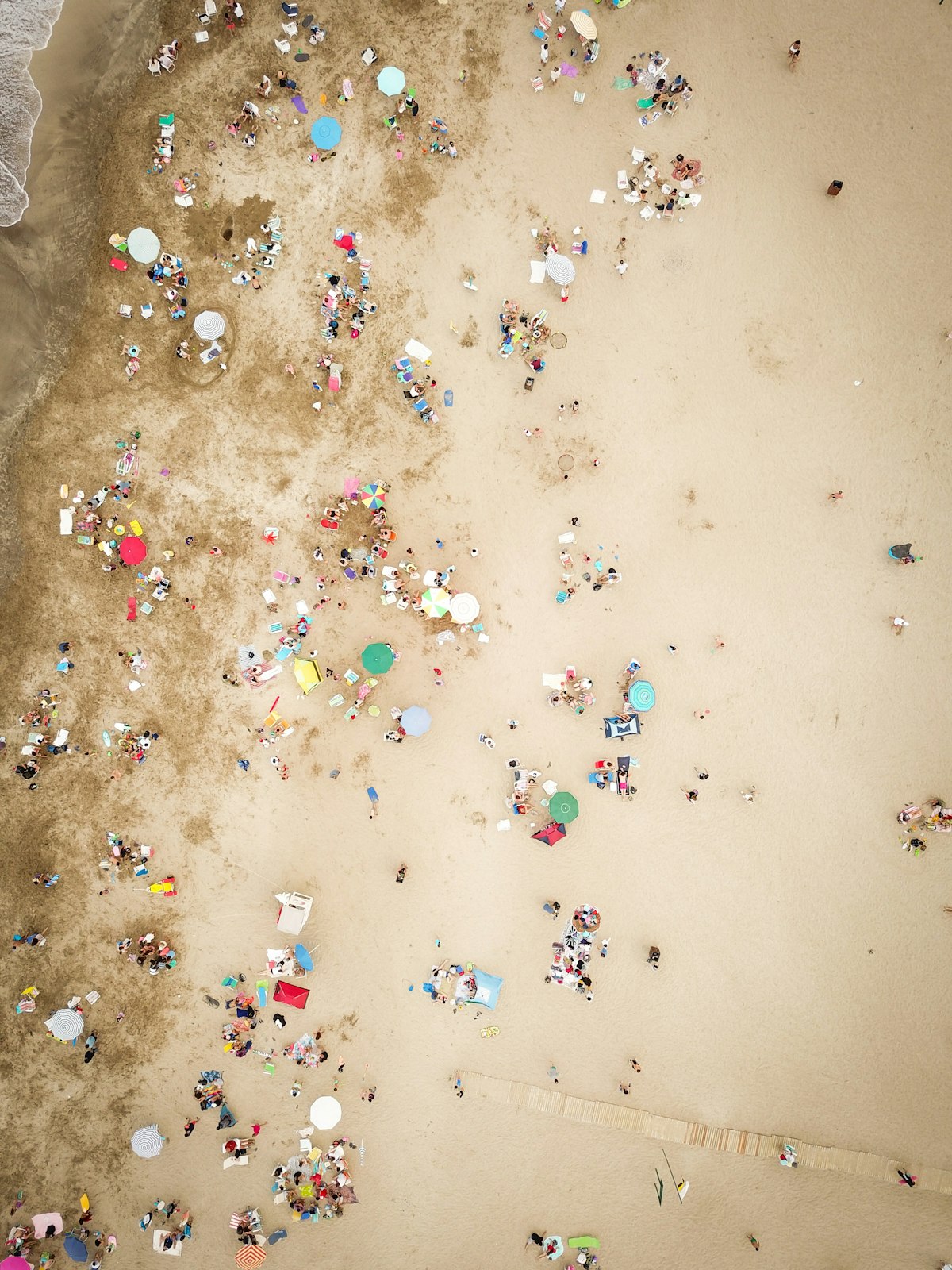
The Argentine coast - centred on Mar del Plata, roughly 400km south of Buenos Aires - is packed in January. Domestic tourism dominates, and accommodation is heavily booked. This is not a particularly rewarding destination for international visitors, but if you want to understand Argentine summer culture, it’s worth a day visit.
Practical Notes for January
- Flights: Book Buenos Aires flights well in advance for January; prices rise from October onwards.
- Internal transport: Buses to Patagonia run frequently but also book up. Bariloche, El Calafate, and Mendoza bus routes should be reserved ahead.
- Clothing: Lightweight clothes for Buenos Aires and the north; layered merino for Patagonia where mornings and evenings are cold even in midsummer (5–10°C at altitude).
- Currency: The informal exchange rate gap between official and street (blue dollar) rates can be wide. Bring USD cash if you want access to the higher rate at authorized casas de cambio.
- National parks: Parque Nacional Los Glaciares (El Calafate/El Chaltén) and Iguazú both require advance ticket booking in peak season. Guided tours across Argentina include glacier walks, Fitz Roy treks, and Iguazú boat rides - useful for locking in the experiences that sell out first in January.
See also: Best time to visit Argentina · El Chaltén trekking guide · Iguazu Falls guide · Mar del Plata travel guide · Argentina Patagonia itinerary
Plan Your Trip
✈️ Book your flights to Argentina 🛡️ Get travel insurance 📱 Stay connected with an eSIM 🚗 Rent a car