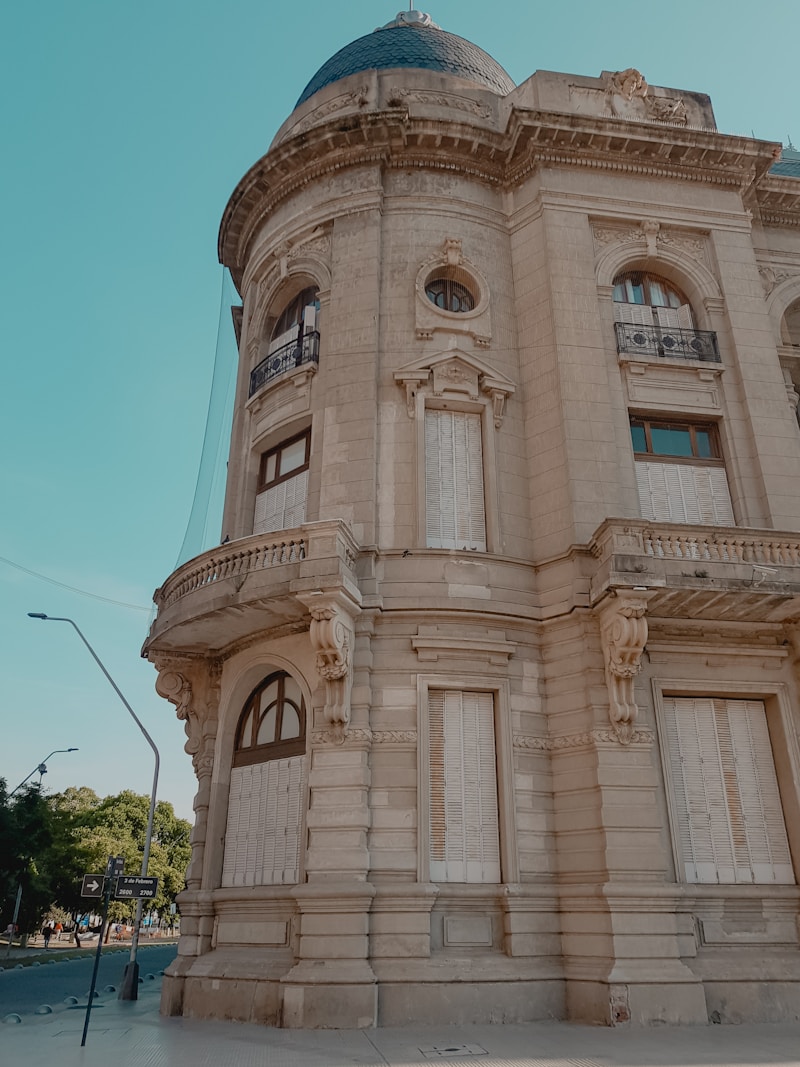
Santa Fe, Argentina: Travel Guide
Colonial churches, Paraná delta boat trips, and the hall where Argentina's 1853 constitution was signed - a riverside city worth the detour.
Santa Fe is the capital of Santa Fe Province, with around 400,000 people in the city and over 600,000 in the metropolitan area that includes the adjacent city of Santo Tomé across the river. It sits at the confluence of the Salado and Paraná rivers, surrounded by wetlands and river islands. Founded in 1573 - predating Buenos Aires - it was the seat of the constitutional convention that produced Argentina’s national constitution in 1853, a defining moment in the country’s political history. The city is an administrative, educational, and commercial centre for the productive agricultural province around it.
The Historic Centre and Casa de la Constitución
The historic centre holds several colonial-era buildings in reasonable preservation. The Iglesia de la Compañía de Jesús, built between 1700 and 1750, is the most architecturally significant - a Jesuit church with a massive adobe-and-brick facade and an interior of gilded altarpieces. The Casa de la Constitución on Calle Urquiza is a restored colonial house where the 1853 constitutional convention met; it’s now a national monument and small museum documenting the process. Entry is free; the museum opens Tuesday to Sunday from approximately 9am to 7pm. The Convento de San Francisco (begun 1680) holds one of the oldest surviving structures in Argentina; the attached cloister garden is open to visitors and provides a quiet counterpoint to the commercial streets outside. The Iglesia de Nuestra Señora de los Milagros, two blocks from the main plaza, is another well-preserved 18th-century colonial church and serves an active congregation - early morning mass gives access to the interior when natural light illuminates the altarpieces most effectively.
Museo Etnográfico y Colonial
The Ethnographic and Colonial Museum, a few blocks from the main plaza, holds a collection of pre-Columbian ceramics, colonial-era silverware, religious art, and indigenous artefacts from the Chaqueño and Litoral regions. The collection is modest in size but covers the full range of Santa Fe Province’s pre-Hispanic cultures. It’s housed in a colonial building that was one of the original Jesuit structures.
The Paraná Delta and Fishing
Santa Fe sits at the edge of the upper Paraná delta, and the river - here around 1 km wide - is navigable and well-used for recreational fishing. The dorado (golden dorado), a large, powerful river fish reaching 30 kg, is one of the most sought sport-fishing species in South America, and the Santa Fe stretch is one of its prime habitats. Full-day guided fishing trips on the Paraná run approximately USD 100–160 per person, including boat, guide, bait, and a riverside lunch; trips depart from the costanera and reach productive channels within 30 minutes. The season is productive year-round, with peak dorado fishing in spring and autumn when water temperatures are optimal. Non-fishers can take river excursions on small launches through the channels and islands of the delta; informal boat trips depart from the Riacho Santa Fe waterway and cost approximately ARS 5,000–8,000 for a 90-minute circuit. The floating restaurant district along the riacho is one of the more distinctive dining options in the city - several simple restaurants occupy pontoons permanently moored along the channel, serving river fish caught the same morning alongside cold Quilmes beer.
Where to Stay
Accommodation concentrates in the city centre, with a range of mid-range business hotels and a smaller number of budget options. The area around the main plaza (Plaza 25 de Mayo) and along the boulevard near the river is the practical base. Santa Fe does not have the boutique hotel market of Córdoba or Rosario. Hotel Conquistador on 25 de Mayo street is the city’s most established option from approximately USD 50 per night. Hotel Santa Fe de la Veracruz on San Luis offers functional rooms from approximately USD 30 per night. The Museo Etnográfico y Colonial charges approximately ARS 1,500 entry; the Casa de la Constitución is free. For dining, España on San Martín and Primera Junta is a traditional bodegón serving steaks, milanesas, and river fish (mains from approximately ARS 5,000–10,000). El Club de la Milanesa on Calle San Martín is popular for its oversized milanesa napolitana. Dorado fishing guides operating from Santa Fe charge from approximately USD 120 per person for a full-day excursion including boat and gear. For visitors combining Santa Fe with other stops, Argentina tours cover the northeast corridor including Rosario and Corrientes. Prices listed are approximate as of 2026.
Search hotels in Santa Fe on Booking.com
Getting There and Around
Sauce Viejo Airport (SFN) connects Santa Fe to Buenos Aires (approximately 1 hour by air). Long-distance buses link to Buenos Aires (7 hours), Rosario (3 hours), Córdoba (5 hours), and Paraná (30 minutes via the Hernandarias tunnel under the river). Within the city, taxis and the local bus network cover all areas; the historic centre is walkable.
Best Time to Visit
Spring and autumn are the most comfortable seasons. Summers are hot and humid, with peak river levels that can cause flooding in the lower riverside areas. Winter is mild and dry - January and February bring heat and high visitor numbers from nearby provinces. The city operates normally year-round; no particular season is required or excluded for a visit.
Explore more: Rosario travel guide · Things to do in Rosario · Where to stay in Rosario
Upcoming Events in Santa Fe
Iguazu National Park Anniversary
Iguazu National Park Anniversary 2026, 9 November. Free park entry, cultural events, and environmental programming in Puerto Iguazú.
Cosquín National Folk Festival
Cosquín Folk Festival 2027 runs 22 to 31 January in Córdoba province - ten nights of chacarera, zamba and folk on the Plaza Próspero Molina open-air stage.
Book an experience
Top experiences in Santa Fe
Explore the best tours and activities in Santa Fe , with instant confirmation and free cancellation on most bookings.
Planning to visit? Browse hotels in Santa Fe, free cancellation on most bookings.