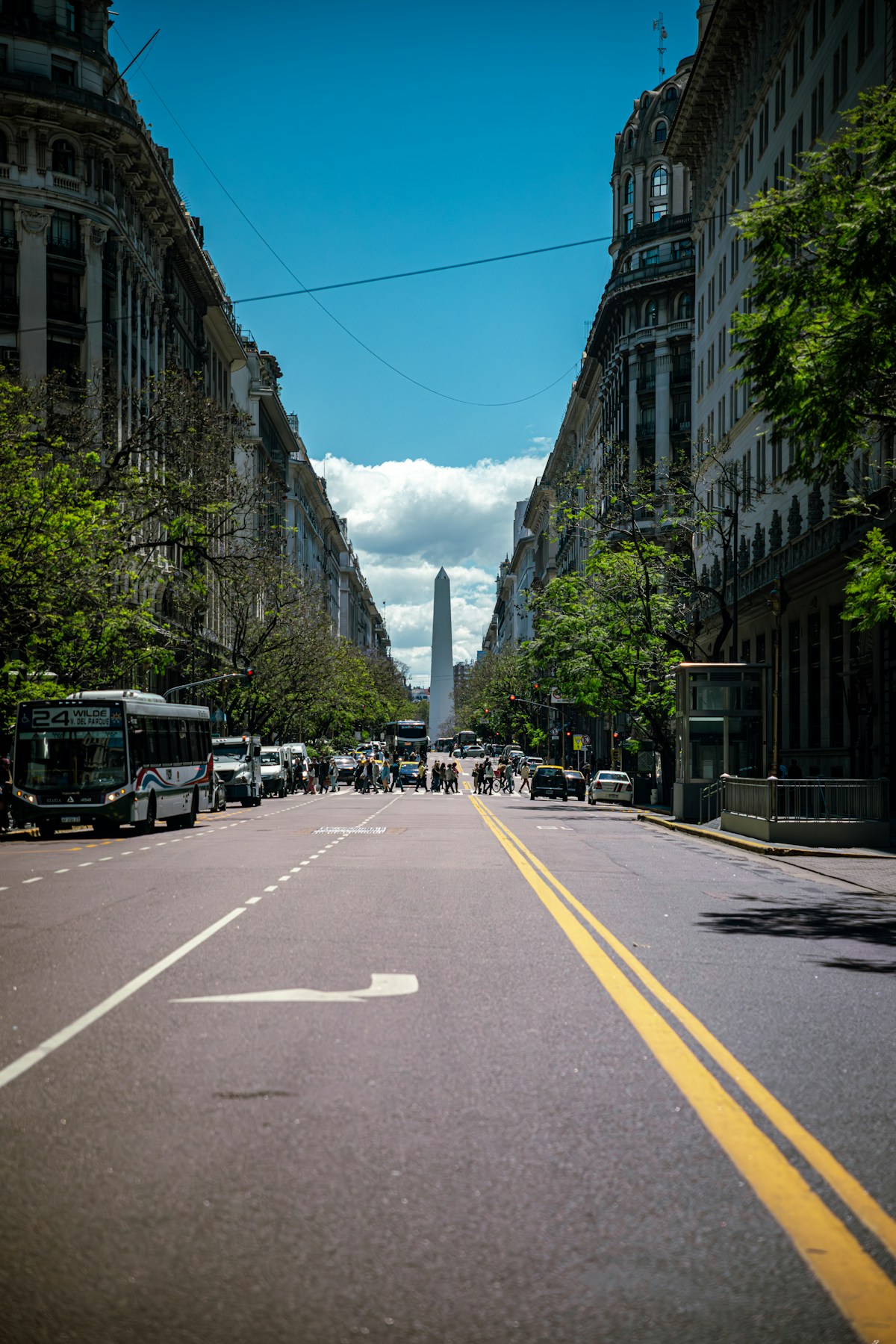
Buenos Aires is a large city and best approached as a neighbourhood-by-neighbourhood exploration rather than a list of sights. The architecture, the food, the street life, and the way people use public space are the experience - the formal tourist attractions are secondary to that. A week structures well into the major zones with time to sit, eat, and absorb what makes the city work.
Day 1: Arrival and First Neighbourhood - San Telmo
San Telmo is the oldest neighbourhood in Buenos Aires and the logical first base for orientation. The streets around Plaza Dorrego are colonial in scale - narrower than the grand avenues elsewhere, with nineteenth-century buildings that survived the wave of modernisation that reshaped the rest of the city.
Search hotels in Buenos Aires on Booking.com
Walk Defensa street from Parque Lezama northward to the Plaza. On Sundays (if Day 1 falls then), the market fills the square and the surrounding streets with antiques, crafts, and street performers. On other days, the neighbourhood is quieter and more interesting for it - the Mercado de San Telmo is open daily and worth stopping in for a coffee or a stand-up choripán.
Dinner at a traditional parrilla in San Telmo - Patagonia Sur or El Federal are long-established options. End the evening at a milonga if energy allows - San Telmo has several.
Day 2: Historic Centre and La Boca
The historic centre (microcentro) contains the principal civic buildings of the city. Plaza de Mayo is the starting point: the Cabildo (colonial town hall, now a museum), the Casa Rosada (presidential palace, with a free public museum on the back entrance), and the Metropolitan Cathedral, which holds the mausoleum of José de San Martín.
The Avenida de Mayo runs west from the Plaza to the Congreso Nacional - 1.5 kilometres of turn-of-the-century European-style architecture, including the Café Tortoni, Buenos Aires’s most famous café, open since 1858. It is a tourist trap in the most pleasant sense of the term - the prices are higher than neighbouring cafés but the interior is genuine.
La Boca is 2 kilometres south of San Telmo, walkable or by taxi. The Caminito is the tourist zone - colourful buildings, tango street performers, souvenir stalls. It has a reputation for being performative, which it is, but the neighbourhood’s river port history is real and the street murals extend beyond the main tourist strip. The Fundación Proa, a contemporary art museum on the Río Riachuelo waterfront, is the most serious cultural institution in the area.
Day 3: Recoleta
Recoleta is the upscale residential neighbourhood north of the centre, known for its wide French-influenced boulevards, expensive restaurants, and the Cementerio de la Recoleta. The cemetery occupies a city block and contains some of the most elaborate mausolea in South America - it is a genuine architectural spectacle regardless of its associations with Eva Perón, whose tomb here attracts continuous visitors.
The Museo Nacional de Bellas Artes (free, national fine arts collection including European masters and Argentine art) sits adjacent to the cemetery. The weekend artisan market along the edge of the park is the best craft market in the city for quality.
Lunch on one of the neighbourhood’s sidewalk restaurant strips. Buenos Aires’s café and restaurant culture means that eating outdoors on a shaded pavement is possible most of the year; this is one of the city’s consistent pleasures.
Day 4: Palermo
Palermo is the most expansive neighbourhood in Buenos Aires and subdivides into several zones: Palermo Soho and Palermo Hollywood for restaurants and nightlife, the Botanical Garden and Zoo area, and the parks along the Avenida del Libertador.
The MALBA (Museo de Arte Latinoamericano de Buenos Aires) is the strongest art museum in the city for twentieth-century Latin American work - the permanent collection includes major works by Frida Kahlo, Diego Rivera, Tarsila do Amaral, and a strong Argentine section featuring Xul Solar and Antonio Berni. Budget at least two hours.
Afternoon in the neighbourhood streets - the blocks between Avenida Santa Fe and the railway tracks contain the densest concentration of restaurants and independent shops in the city. This is where Buenos Aires eats on weekday evenings; finding a parrilla or a natural wine bar here is straightforward.
Day 5: Day Trip - Tigre and the Paraná Delta
Tigre is 30 kilometres north of Buenos Aires by commuter train (60–70 minutes from Retiro station) and serves as the gateway to the Paraná Delta, a 14,000km² wetland of islands, channels, and river settlements accessible only by boat.
The Tigre main town has a weekend fruit market on the waterfront and a tourist launch terminal from which numerous boat services depart into the delta. Options range from 1-hour tourist launches (good for getting a sense of the delta’s scale and the water-based lifestyle) to longer journeys visiting remote communities. The Museo de Arte de Tigre, in a belle époque clubhouse on the river, has a strong collection of Argentine nineteenth-century art in a setting that justifies the trip independently.
Day 6: Colonia del Sacramento, Uruguay (Optional Day Trip)
Colonia del Sacramento is a small UNESCO-listed Portuguese colonial town across the Río de la Plata in Uruguay, reached by high-speed ferry from Buenos Aires (50 minutes from the Buquebus terminal near Puerto Madero). The historic quarter is a compact area of cobblestone streets, painted houses, and a lighthouse with views over the estuary.
This day trip requires an early morning ferry departure to get maximum time in Colonia before the return crossing. Passports are required - this is an international crossing. Uruguay and Argentina have reciprocal agreements that make the crossing straightforward for most nationalities.
Alternative for Day 6: Stay in Buenos Aires and explore Villa Crespo and Chacarita - the barrios with the most interesting current food scene and the Chacarita cemetery, equally impressive in scale to Recoleta but far less visited.
Day 7: Mataderos and Farewell
The Feria de Mataderos, held on Sunday afternoons in the Mataderos neighbourhood (southwest Buenos Aires), is the most authentic gaucho folk culture market in the city. Horse displays, malambo dancing, folk music, and food from the interior provinces - empanadas tucumanas, humita, locro, and asado - make this the best market in Buenos Aires for Argentine traditional culture rather than crafts aimed at tourists. The location is remote (a 30–40 minute taxi or bus ride), which keeps the crowds smaller than the San Telmo market.
This works on Sundays; if Day 7 falls on another day, return to a favourite neighbourhood, take a cooking class (several operators offer half-day Argentine cooking and asado classes), or visit the Museo Histórico Nacional in San Telmo.
Practical Notes
Transport: Subte (metro) covers the main tourist zones. Buses (collectivos) go everywhere but require a SUBE transit card. Taxis and ride-share apps (Cabify and Uber both operate) fill the gaps. Walking is practical within neighbourhoods but distances between them require transport.
Eating schedule: Lunch 12:30–3pm. Dinner from 9pm, peak at 10–11pm. Going to a restaurant at 8pm produces an empty room.
Currency: Argentina’s exchange rate situation requires current research - conditions change frequently. Arrive with a clear understanding of the current rate and how to access it legally.
Buenos Aires tours - from neighbourhood walking tours to guided food and tango experiences - are a practical way to fill specific days, particularly early in the week before you know the city well.
More city detail: Buenos Aires guide · Buenos Aires street art · Boca Juniors football guide · Buenos Aires where to stay
Book Your Trip
- Flights - Find the best fares to Argentina
- Travel Insurance - Get covered before you go
- eSIM - Stay connected from landing
- Airport Transfers - Pre-book your transfer from Buenos Aires (EZE) or Bariloche
- Car Rental - Compare prices across providers
- Tours & Activities - Browse Argentina tours on GetYourGuide