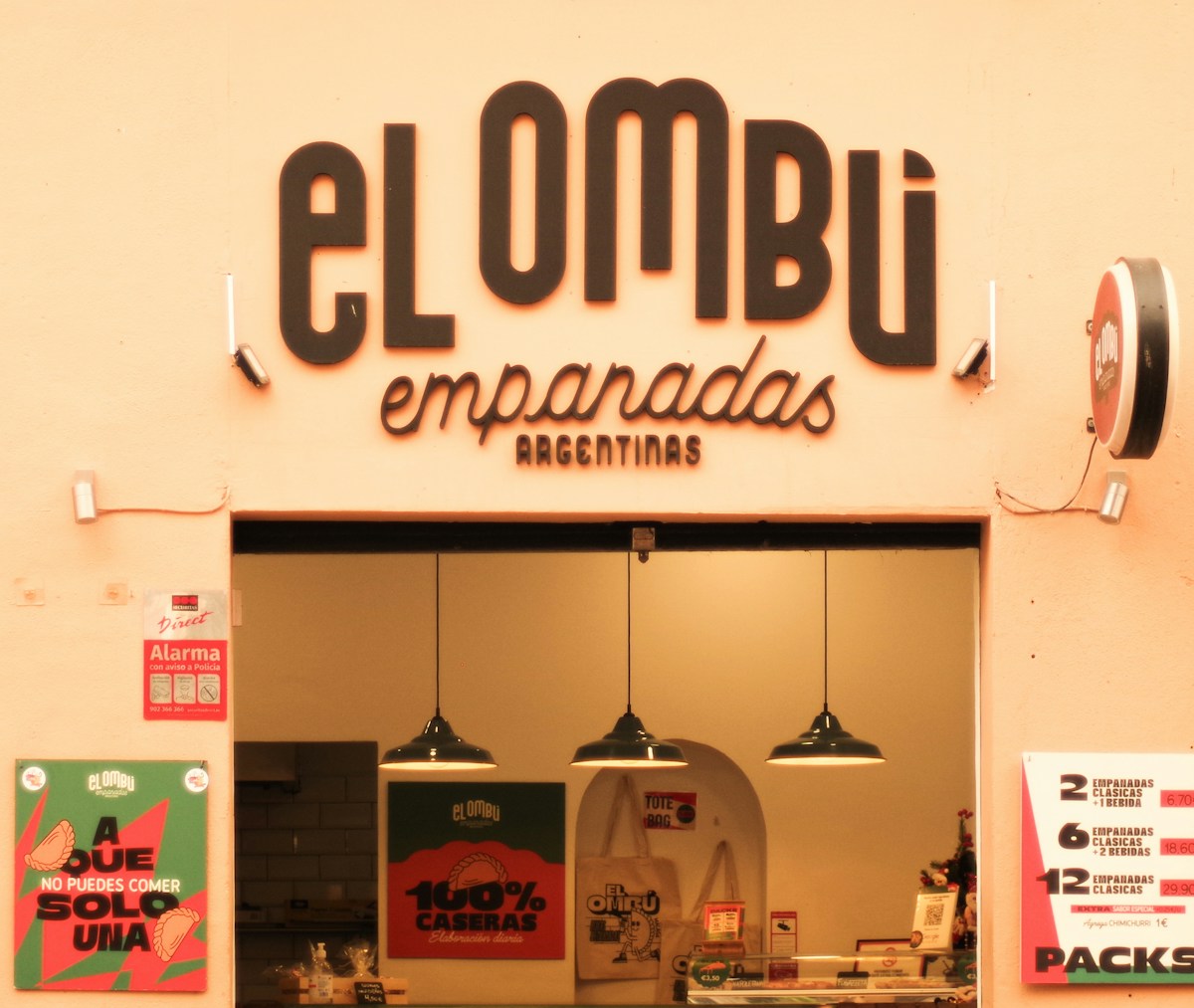
Northwest Argentina has its own culinary identity, distinct from Buenos Aires and Patagonia. Salta sits at the intersection of Andean and colonial Spanish food traditions, shaped by the indigenous Quechua and Diaguita cultures that pre-dated Spanish settlement. The result is a cuisine heavier on corn, chilli, and dried meats than the beef-and-pasta traditions of the Pampas, with flavours that feel older and more complex.
Prices in Salta are lower than in Buenos Aires or Patagonia, making this one of the more affordable regions for eating well.
The Core Dishes of Northwest Argentina
Empanadas Salteñas
Salta’s empanadas are considered by many Argentines to be the country’s best - a claim that generates genuine regional debate. What distinguishes them from Buenos Aires empanadas is the filling: a mixture of beef, hard-boiled egg, spring onion, potato, and chilli, seasoned with cumin and paprika. The pastry is thinner and more delicate than the thicker Porteño version.
Salta empanadas are baked in a clay horno (wood-fired oven) rather than fried. A plate of six runs approximately ARS 4,000–6,500 as of 2026.
Locro
Locro is a thick, slow-cooked stew of white corn, squash, beans, and pork or beef. It appears across the Andean regions of Argentina, Bolivia, and Peru, but Salta’s version has particular depth from the local chilli varieties. This is cold-weather food at its most honest - warming, dense, and completely filling. A bowl approximately ARS 3,000–5,500 as of 2026. Most commonly available in winter (June through August) but found year-round at traditional restaurants.
Humitas and Tamales
Humitas are fresh corn parcels wrapped in corn husks and steamed - similar to tamales but without meat filling. The corn paste is mixed with onion, goat’s cheese, and sometimes chilli, giving a savoury, slightly sweet result. They appear on menus as an entrée or side dish. Approximately ARS 1,500–3,000 each as of 2026.
Tamales salteños differ from Mexican tamales in their filling, which uses a softer beef and chilli mixture. Wrapped in corn husks and boiled, they’re available at markets and informal restaurants throughout the northwest. Approximately ARS 1,200–2,500 each as of 2026.
Cordero and Cabrito
Lamb and goat (cabrito) are common in the Salta highlands. Slow-roasted cabrito appears on traditional restaurant menus and in the quintas (family-run outdoor restaurants in the hills surrounding the city). Main courses from approximately ARS 6,000–11,000 as of 2026.
Mercado San Miguel
Mercado San Miguel (Avenida San Martín 1207) is Salta’s central market and the best single place to try multiple traditional foods in one visit. The market building dates to the late 19th century and operates as a working produce and food market with a restaurant section that fills up at lunch.
Look for stalls serving empanadas from the horno, locro by the bowl, and fresh humitas. Market vendors are generally open to conversation about what they’re cooking and how. This is the appropriate starting point for understanding Salta’s food culture before moving to sit-down restaurants.
Operating hours roughly 7 am to 8 pm, though the hot food stalls are busiest 11 am–3 pm and 7–10 pm.
Named Restaurants
El Corredor de las Empanadas
El Corredor de las Empanadas (Caseros 117) is arguably the most famous empanada restaurant in Salta, occupying a colonial-era building in the city centre. A dozen varieties are offered, all baked in wood-fired hornos. A plate of six costs approximately ARS 5,000–7,500 as of 2026. Queue at peak lunch hours (noon–2 pm) is common.
Doña Salta
Doña Salta (Córdoba 46) is a mid-range restaurant specialising in northwestern Argentine cuisine - locro, tamales, humitas, and Andean lamb dishes. The dining room is traditional without being performatively rustic. Main courses approximately ARS 5,500–9,500 as of 2026. Good wine selection including local Torrontés.
La Criollita
La Criollita (Balcarce 991) serves informal traditional food in a simple setting popular with locals. Empanadas, locro, and tamales at lunch prices that are lower than the tourist-facing restaurants on Balcarce. Mains approximately ARS 4,000–7,000 as of 2026.
Restaurant Juanito
Restaurant Juanito (Alvarado 224) focuses on Salta’s grilled meats including goat and Andean lamb, with a full asado menu. The Patagonian-style asado is available but the northwest cuts (including chivito - baby goat) are what makes this place worth visiting. Main courses from approximately ARS 6,500–12,000 as of 2026.
El Solar del Convento
El Solar del Convento (Caseros 444) occupies a historic convent building and serves a broader menu combining Salta classics with more contemporary Argentine dishes. The courtyard setting makes it one of the most attractive dining spaces in the city. Mains approximately ARS 7,000–13,000 as of 2026. Good for a dinner with wine.
Torrontés and Wine Tasting in Salta
Salta Province is the base for the Cafayate wine region, which produces Argentina’s signature white grape variety - Torrontés. The wines are grown at altitude (Cafayate sits at approximately 1,700 metres) and display characteristic aromatic intensity with floral notes and dry acidity.
Bodegas Etchart (Cafayate, approximately 185 km south of Salta, around 3 hours by bus) is the region’s largest producer and offers tastings and cellar tours from approximately ARS 3,000–5,000 as of 2026.
El Esteco / Michel Torino (also in Cafayate) operates one of the region’s most impressive wineries with a hotel and tasting room. Wine tastings from approximately ARS 4,000–7,000 as of 2026. The Cuma and Don David Torrontés lines are the widely available expressions.
For those staying in Salta city rather than making the trip to Cafayate, most restaurants carry Salta Province wines. Casa de las Empanadas and the better restaurants on Balcarce maintain solid selections.
Balcarce Street: The Peña Scene
Calle Balcarce in the evening becomes Salta’s equivalent of a bar and restaurant strip, with a cluster of peñas - folk music venues that combine traditional Andean music (chacarera, zamba, folklore) with food and wine service.
La Vieja Estación (Balcarce 885) is one of the most established peñas, with live folk performances from approximately 10 pm nightly. Cover charge approximately ARS 2,000–4,000 as of 2026, which usually includes a drink. The food menu covers empanadas and traditional snacks.
Boliche de Balderrama (San Martín 1126) is a Salta institution - a peña that dates back decades and has hosted virtually every major figure in Argentine folk music. Arrive early for a table; performances begin around 10:30 pm.
Take a Guided Food Tour in Salta
Salta’s food culture is more concentrated and accessible than anywhere else in northwest Argentina, which makes it particularly well-suited to a guided food tour. The Mercado San Miguel is the natural anchor - a working market where stalls serve empanadas salteñas from horno ovens, locro simmering since before opening, and fresh humitas wrapped in corn husks. A guided visit covers not just what to eat but why the spice balance differs from Tucumán, how the clay oven changes the empanada pastry, and which stalls to return to independently. Many tours extend into the Balcarce peña scene in the evening, combining folk music with empanadas and Torrontés wine from the Cafayate highlands nearby. Salta food and culture tours are available from the city centre with half-day and full-day formats.
Practical Notes
Best time for locro: July and August, when the cold justifies it fully. Most restaurants keep it on the menu year-round but the quality and proportion in the pot improves in winter.
Allergies: Cumin, paprika, and dried chilli appear in most traditional dishes without always being flagged. Worth asking if you’re sensitive.
Lunch culture: Salta follows Argentine lunch timing (noon–3 pm) more strictly than Buenos Aires. Several traditional restaurants close in the afternoon and reopen at 8 pm for dinner. Plan meals accordingly.
Taking food home: Mercado San Miguel sells dried spices, local chilli blends, and packaged dried herbs used in the traditional stews. These make practical and lightweight souvenirs that hold up to travel.
Before you go: Travel insurance for Argentina covers medical costs and cancellations across the northwest circuit. An eSIM for Argentina keeps you connected for navigation between Salta, Jujuy, and Cafayate.
Many Salta tours include food and market visits as part of a city orientation, which is a good way to cover Mercado San Miguel and the Balcarce peña strip in one session.
See also: Salta travel guide · Things to do in Salta · Argentine food guide · Empanadas guide · Cafayate wine country