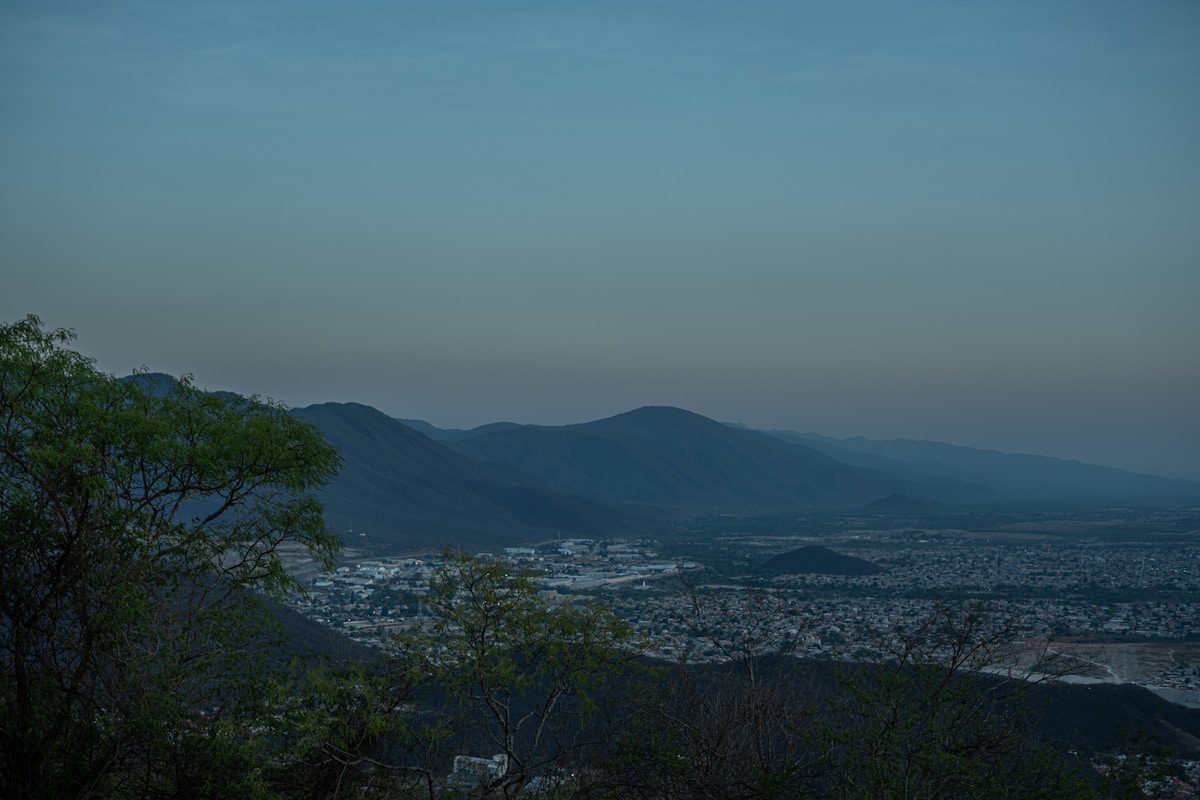
Salta is the capital of Salta Province and the gateway to Argentina’s northwest. The city centre - known as Salta la Linda (Salta the Beautiful) - has a strong claim to that title, with well-maintained Spanish colonial architecture around the central plaza and surrounding streets. But the city’s main draw for travellers is what surrounds it: a day’s drive in almost any direction brings extraordinary Andean landscapes.
Salta City Centre
Plaza 9 de Julio is the heart of Salta’s colonial centre. The Catedral Basílica de Salta (late 18th century, heavily rebuilt) and the Cabildo (colonial town hall) face the square. The plaza is a functional public space with good street food vendors and a relaxed atmosphere in the evenings.
Museo de Arte Étnico Americano Pajcha on Calle España covers pre-Columbian and colonial religious art from the Andean region, including a strong collection of silverwork and textile. Small but well-curated; entry is modest.
Cerro San Bernardo: A hillside 200 metres above the city centre, reachable by a cable car (teleférico) from Parque San Martín. The views over Salta and the surrounding valley are the main reason to go. The teleférico costs approximately USD 5–8 return as of 2026; there is also a staircase path of 1,100 steps for those who prefer to walk up.
MAAM - Museum of High Altitude Archaeology
The Museo de Arqueología de Alta Montaña on Salta’s main plaza is one of the most important archaeological museums in South America. In 1999, climbers discovered three Inca children sacrificed on the summit of Volcán Llullaillaco (6,739 m) on the Argentine-Chilean border - perfectly preserved by the cold and altitude for approximately 500 years. The museum contextualises the Capacocha ritual, Inca political structures, and the significance of the find. Only one of the three mummies is displayed at any time, rotating on a schedule. Entry is approximately USD 8–12 as of 2026. Allow 60–90 minutes. Photography of the mummy is not permitted.
Tren a las Nubes (Train to the Clouds)
The Tren a las Nubes is a narrow-gauge railway that departs from Salta’s main station and climbs through the Quebrada del Toro to the La Polvorilla viaduct at 4,220 metres - crossing a curved steel bridge 63 metres above a dry riverbed. The train is a feat of 1930s engineering and the journey itself is the attraction. The day trip departs around 7am and returns around 11pm - approximately 16 hours including the viaduct stop and a folkloric show.
Cost is approximately USD 80–130 per person as of 2026 depending on class, booked through Tren a las Nubes SA. Altitude sickness (soroche) is a serious consideration at 4,220 m - acclimatise in Salta for at least one full day before taking the train, and discuss altitude medication with your doctor if you are susceptible. Not recommended for those with heart or respiratory conditions.
Alternative: Several tour operators run overland trips along the same route (Quebrada del Toro) by 4WD, reaching the same altiplano landscapes with more flexibility and at lower altitude for most of the journey.
Quebrada de Humahuaca - Day Trip
The Quebrada de Humahuaca is a UNESCO World Heritage Site 130 km north of Salta (via the city of Jujuy). The canyon follows the Río Grande through layered sedimentary rock in extraordinary colour gradations - purples, reds, yellows, and greens visible in the cliff faces. Key stops include:
Purmamarca: A small village at the base of the Cerro de los Siete Colores (Seven-Colour Hill). The morning light on the hill is the best time to see the full range of colours. The village market sells textiles, ceramics, and llama products.
Tilcara: Has the most developed tourist infrastructure in the Quebrada - several restaurants, a good Sunday market, and the Pucará de Tilcara (a restored pre-Columbian fortification with clear Andean views, entry approximately USD 5–8 as of 2026).
Humahuaca: The largest town in the Quebrada, with a colonial church and a famous mechanical statue of San Francisco Solano that emerges from a clock tower at noon.
Day tours from Salta cost approximately USD 40–70 per person, departing 7–8am and returning by 8–9pm. Self-driving is practical; the road (RN9) is paved throughout. You can browse day trips from Salta that combine the Quebrada de Humahuaca with Tilcara and Purmamarca stops in one itinerary.
Quebrada de Cafayate - Wine and Red Rock
In the opposite direction from Salta (south, toward Cafayate), the Quebrada de las Conchas cuts through dramatically eroded red sandstone formations. The drive takes around 3 hours. Cafayate itself is a wine town - Torrontés is the local white grape. Most organised tours combine the canyon drive with a winery visit in Cafayate and return via a different route. Cost approximately USD 50–80 per person.
San Lorenzo Village
San Lorenzo is a village 11 km west of Salta at around 1,500 metres, surrounded by the Yungas (cloud forest). It is a popular half-day trip from the city for a walk in the forest, lunch, and a cooler climate. The Quebrada de San Lorenzo nature reserve has several marked trails through the forest where toucans and parrots are regularly seen. A taxi from Salta costs approximately USD 15–20 return, or regular buses run from the main terminal.
Practical Notes
- Salta’s altitude is 1,152 m - most visitors acclimatise easily, but allow a day before heading to higher altitudes
- The MAAM opens Tuesday to Sunday; confirm hours before visiting
- The best months for the northwest are April–October (dry season); November–March is wet, with flash flood risk in the quebradas
- Salta Airport (SLA) has direct flights from Buenos Aires (AEP and EZE)
See also: Salta travel guide · Where to stay in Salta · Salta food guide · Jujuy and the Quebrada de Humahuaca · Cafayate wine country