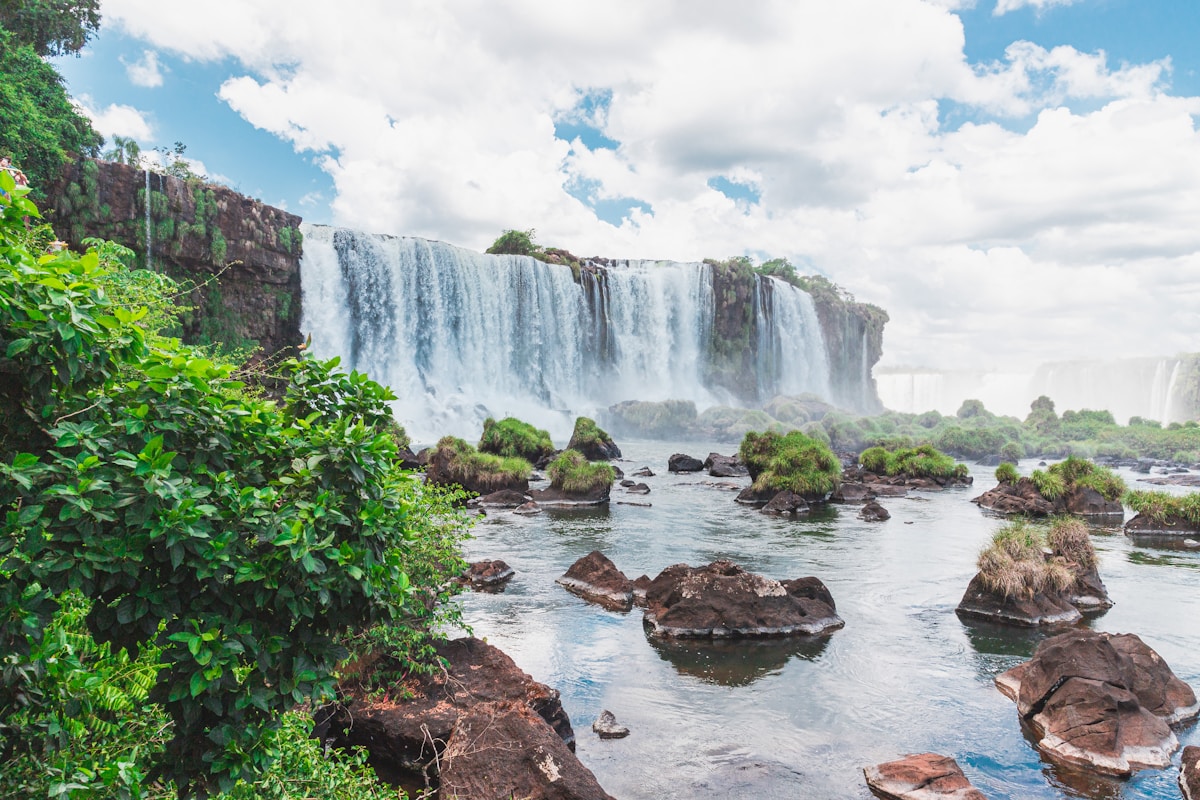
Few travel decisions in Argentina are as straightforward - and yet as commonly agonised over - as whether to include Iguazú Falls alongside Buenos Aires. The honest answer is that they’re not really alternatives: Iguazú is a natural site of jaw-dropping scale, and Buenos Aires is one of South America’s great cities. They serve completely different purposes. But if your time is genuinely limited, understanding what each offers helps you choose where to allocate your days.
Overview
Iguazú Falls sits in Misiones province in the far northeast of Argentina, on the border with Brazil and close to Paraguay. The falls - 275 individual cataracts spread across a 2.7 km semicircle - are collectively wider than Victoria Falls and taller than Niagara. The Argentine side gives you immersion (walkways over and under the falls, up close to the spray); the Brazilian side gives you the panoramic view. Many visitors do both in two days. Puerto Iguazú, the Argentine gateway town of around 85,000 people, exists almost entirely to support tourism to the falls.
Buenos Aires is Argentina’s capital: a city of 3 million (15 million metro) with European architecture, a world-class food scene, football culture, tango, and enough cultural depth to absorb weeks. It’s where most international flights arrive and depart. For many travellers, it’s the primary Argentina experience.
Getting There
Iguazú from Buenos Aires: Aerolíneas Argentinas, Flybondi, and JetSMART fly the Aeroparque (AEP) to Iguazú (IGR) route multiple times daily; flight time approximately 2 hours. Fares from approximately USD 60–140 depending on timing. Overnight buses from Buenos Aires to Puerto Iguazú take approximately 18–20 hours; fares approximately ARS 18,000–30,000 - a viable budget option that arrives in the morning.
From Puerto Iguazú town to the Argentine park entrance: 15–20 minutes by bus (approximately ARS 600–1,000) or taxi (approximately ARS 2,500–4,000). The Brazilian park (Foz do Iguaçu) requires a separate entry and a short taxi or bus trip across the border - no visa required for most nationalities for a day visit, but check current requirements.
Buenos Aires: all major international flights arrive at Ezeiza Airport (EZE), 35 km from the city centre. The Manuel Tienda León shuttle to central Buenos Aires costs approximately ARS 4,500–6,500. Taxis from Ezeiza are approximately ARS 8,000–14,000; Ubers (where available) slightly less.
Things to Do
Iguazú is a two-day destination. The Argentine side offers three circuits:
- Upper Circuit (1.1 km, 1 hour): walkways above the falls looking down into the canyons
- Lower Circuit (1.7 km, 2 hours): walkways beneath the falls getting soaked by spray
- Garganta del Diablo (Devil’s Throat): the 80-metre drop that is the park’s centrepiece, reached by a 1 km bridge walk from a separate train station
Park entry: approximately USD 40–50 for foreign visitors to the Argentine side (as of 2026; check current rates at the park office). Boat tours under the falls with Gran Aventura boats run approximately USD 50–80. A full day on the Argentine side is sufficient to cover all circuits; add the Brazilian side if you have a second day - entry to the Brazilian park runs approximately BRL 90–120. See our Iguazú things to do guide for full circuit descriptions. Beyond the falls, the Iguazú Jungle (boat tours, ziplines, bird watching) and Itaipú Dam (world’s second-largest hydroelectric dam, accessible from Foz do Iguaçu) add variety. You can browse Iguazu Falls tours to book day trips including the Brazilian side crossing and Gran Aventura boat rides.
Buenos Aires requires at minimum 4 days to scratch the surface. San Telmo’s weekend market, Recoleta Cemetery (free), a proper tango milonga, a parrilla dinner in Palermo, the MALBA modern art museum (approximately ARS 4,000), a Boca Juniors match - these are the components of a Buenos Aires first trip. The city also functions as the base for day trips to the Tigre Delta (1 hour by train, free), Colonia del Sacramento, Uruguay (2.5 hours by ferry; approximately USD 50–80 return), and La Plata.
Food and Drink
Puerto Iguazú’s food scene is limited. The main cluster of restaurants on Avenida Brasil and around the main square caters primarily to tourists. La Rueda on Av. Córdoba is the most consistent parrilla; El Quincho del Tío Querido is popular for grilled surubí (river catfish). Expect approximately ARS 8,000–16,000 per person for a main meal. The food in Puerto Iguazú is not a reason to visit.
Buenos Aires is a different category entirely. This is a city where people fly in specifically to eat. Don Julio and La Cabrera for parrilla; Osaka for Nikkei cuisine; Chila and Elena for modern Argentine tasting menus. The mid-range is equally strong - a neighbourhood bodegón in Chacarita serves excellent Italian-Argentine food for approximately ARS 6,000–12,000. The brunch culture in Palermo Villa and Palermo Soho runs through Saturday morning. Buenos Aires also has exceptional coffee in the newer specialty cafés in Villa Crespo and Colegiales. See our Buenos Aires food guide for the full recommendations.
Where to Stay
Puerto Iguazú accommodation is functional rather than exceptional. The Belmond Hotel das Cataratas on the Brazilian side - the only hotel inside Parque Nacional do Iguaçu - is the unique option at approximately USD 400–600 per night, offering morning access to the falls before crowds arrive. On the Argentine side, Panoramic Hotel Iguazú (elevated views of the Paraná River) charges approximately USD 130–200. Mid-range guesthouses in Puerto Iguazú town run approximately USD 60–120. See our Iguazú where to stay guide for full options.
Buenos Aires has the country’s widest accommodation spread: hostels from approximately ARS 8,000 per night (dorm), boutique hotels in Palermo from approximately USD 70–130, and landmark hotels like the Alvear Palace in Recoleta from approximately USD 350–500+. Palermo Soho or Palermo Hollywood are the best mid-range bases for first-timers - central to restaurants, bars, and easy to navigate.
Budget
A day at Iguazú (park entry, boat tour, meals) for a mid-range traveller costs approximately USD 100–160 per person. A mid-range day in Buenos Aires costs approximately USD 80–130. Buenos Aires over multiple days amortises transport costs better; Iguazú’s appeal is concentrated in 1–2 days before diminishing returns set in.
The Verdict
This isn’t really a comparison - it’s a sequencing question. Buenos Aires is non-negotiable for almost any Argentina trip (international flights route through it). Iguazú Falls is the single most impressive sight in Argentina and arguably in South America.
If you have 10+ days: do both, no question.
If you have 7 days: Buenos Aires (4 days) + Iguazú (3 days) is the optimum first trip to Argentina. Cut other destinations before cutting either of these.
If you have 5 days: Buenos Aires only, and save Iguazú for a return trip. Rushing through Iguazú in one day while jet-lagged from an international flight is not the experience these falls deserve.
Note for Brazil travellers: if you’re combining Argentina and Brazil, consider entering via Iguazú and doing both sides of the falls before flying south to Buenos Aires. The logistics are easier than backtracking.