Where to Stay in Buenos Aires: Best Neighbourhoods
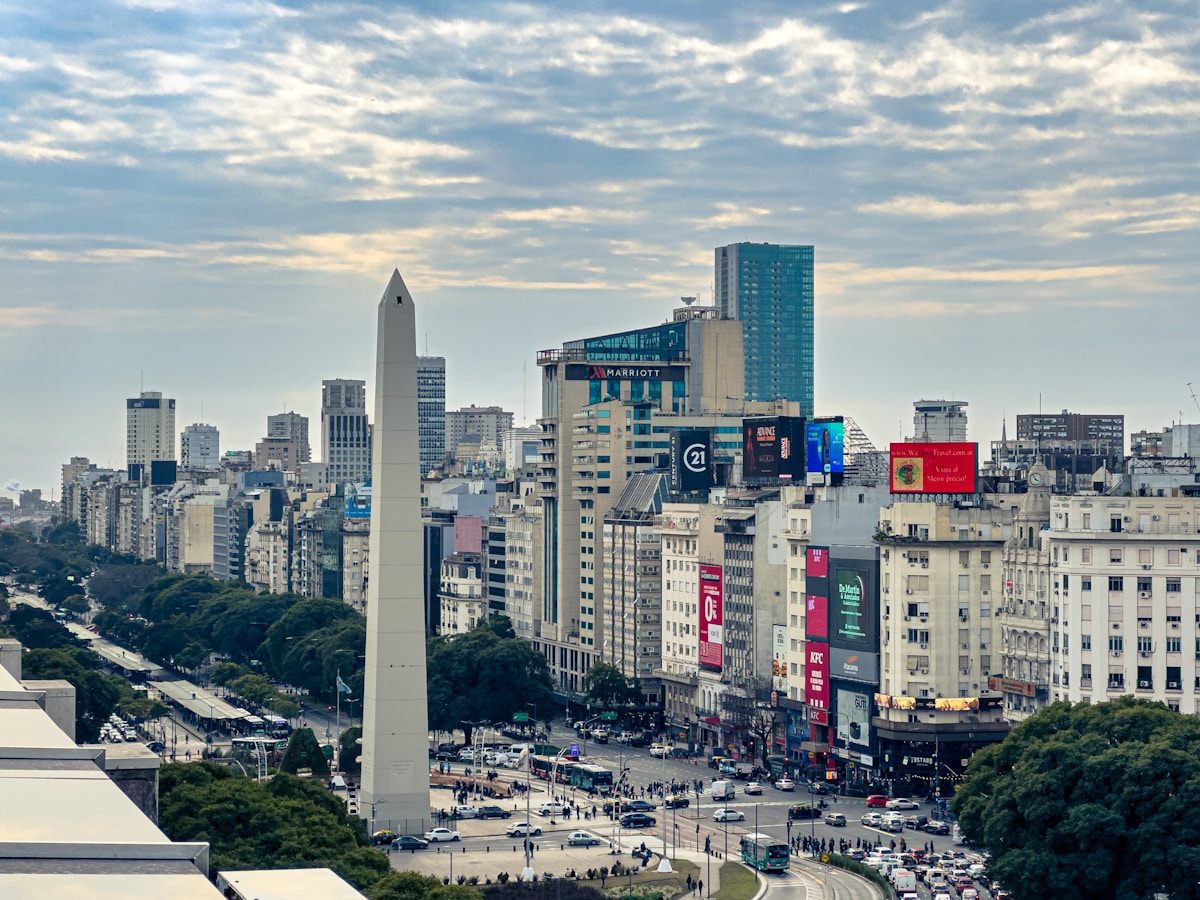
Buenos Aires is a city of distinct barrios, and where you stay shapes the character of your visit considerably. The city is large — sprawling across more than 200 square kilometres — and while the Subte and taxis make moving around practical, your neighbourhood will be your daily environment.
Palermo
Palermo is the largest barrio in Buenos Aires and the first choice for most international visitors, particularly those travelling for the first time. The area divides informally into Palermo Soho (centred around Plaza Serrano, known for independent boutiques and restaurants), Palermo Hollywood (slightly north, with more bars and production companies), and Palermo Chico (the quieter, wealthier residential fringe near Recoleta).
Why stay here: High density of accommodation at all price points, excellent restaurant and bar scene, easy Subte D line access, and a walkable street environment with good lighting at night. The neighbourhood has a younger, more international character than Recoleta.
Accommodation types: Boutique hotels, short-term rental apartments (Airbnb is active here), and some larger hotels. The neighbourhood suits all budgets.
Walk to: MALBA, Bosques de Palermo parks, Japanese Garden. Reasonable taxi or Subte ride to Recoleta, city centre, and San Telmo.
Recoleta
Recoleta is Buenos Aires at its most European in aesthetic — wide Haussmann-style boulevards, ornate apartment buildings, and street-level café terraces. It is quieter and more formal than Palermo, with an older average demographic among residents.
Why stay here: Central location, walking distance to the Recoleta Cemetery and MALBA, good upscale hotel options, and a calm residential environment in the evenings. Safer-feeling for solo travellers who want a quiet neighbourhood after dark.
Accommodation types: The barrio has the city’s strongest concentration of upscale and boutique hotels. Mid-range options also exist, particularly on the edges toward Palermo and Barrio Norte.
Walk to: Recoleta Cemetery, MALBA (15 minutes), the city centre (25–30 minutes on foot or short Subte D ride).
San Telmo
San Telmo is the oldest barrio, with colonial-era buildings and cobblestone streets that date to the 18th and 19th centuries. The Sunday antiques market at Plaza Dorrego is the main tourist draw. Several milongas (tango dance halls) operate nightly.
Why stay here: Atmosphere and character that Buenos Aires’ more polished barrios lack. Proximity to La Boca (walking distance) and the city centre. Strong café and tango culture. Generally cheaper accommodation than Palermo or Recoleta.
Accommodation types: Boutique guesthouses, older hotels, and some modern hostels. The price range is lower than Palermo and Recoleta.
Consider: San Telmo borders less safe areas to the south. The main tourist zone is fine; be more careful on the edges of the barrio and avoid wandering south of Parque Lezama after dark.
Puerto Madero
Puerto Madero is the converted dock district east of the city centre, developed since the 1990s into a modern waterfront area with upscale hotels, restaurants, and office buildings. It’s architecturally sleek but has little organic neighbourhood character.
Why stay here: If you want the city’s most polished hotels (Faena, Hilton, and similar) with modern amenities and a very safe environment. Useful if you’re attending events at the convention centre nearby.
Why not: High prices, minimal street-level local life, and a taxi or ride-share ride away from everything interesting in the city.
Microcentro / Centro
The city centre is practical for business travel — most major banks, government buildings, and the Florida Street shopping pedestrian strip are here. For leisure travel, it is noisy, traffic-heavy, and loses energy quickly after office hours. Not a recommended base for first-time visitors unless your specific purpose requires it.
Booking Tips
- Short-term apartment rentals (Airbnb and local platforms) are often better value than hotels in Palermo and Recoleta, particularly for stays over four nights
- At favourable exchange rates, mid-range accommodation in Buenos Aires represents good value by global standards
- Book well ahead for peak season (November–March) and during events like Buenos Aires International Tango Festival (August)
- Check reviews specifically for WiFi reliability if you plan to work from your accommodation
Book an experience
Top-rated experiences in Buenos Aires: Travel Guide
The highest-rated tours and activities in Buenos Aires: Travel Guide. Book today, cancel free if plans change.
Frequently Asked Questions
- What is the best neighbourhood to stay in Buenos Aires for first-time visitors?
- Palermo and Recoleta are the most practical for first-time visitors — both have good transport links, high accommodation density at all price points, and easy access to restaurants and sights. Palermo skews younger with more street-level energy; Recoleta is more formal and slightly quieter.
- Is San Telmo safe to stay in?
- The core of San Telmo around Plaza Dorrego and the main pedestrian streets is generally safe for tourists during the day and evening. The barrio borders less visited areas to the south — stick to the main streets at night and the neighbourhood is a perfectly reasonable base.
- How much do hotels cost in Buenos Aires?
- At favourable exchange rates, a mid-range hotel in Palermo or Recoleta typically costs $80–150 USD/night. Boutique hotels and higher-end options run $150–350/night. Budget hostels start from around $15–25 USD/night for a dorm bed.
- Should I stay in Puerto Madero?
- Puerto Madero suits travellers who want the city's most modern hotels and don't mind paying a premium for them. The area is safe and polished but has little neighbourhood character — it's a converted dock district rather than a living barrio. Most visitors find Palermo or Recoleta a more engaging base.
Sorted your stay?
Here's how to get there — and get around once you arrive.
Airport Transfer
Fixed-price airport pickup to Buenos Aires: Travel Guide — driver meets you at arrivals, no haggling.
Book a Transfer →Car Hire
Compare rates from local and international suppliers — 90-day price lock included.
Compare Cars →We may earn a small commission — at no extra cost to you.