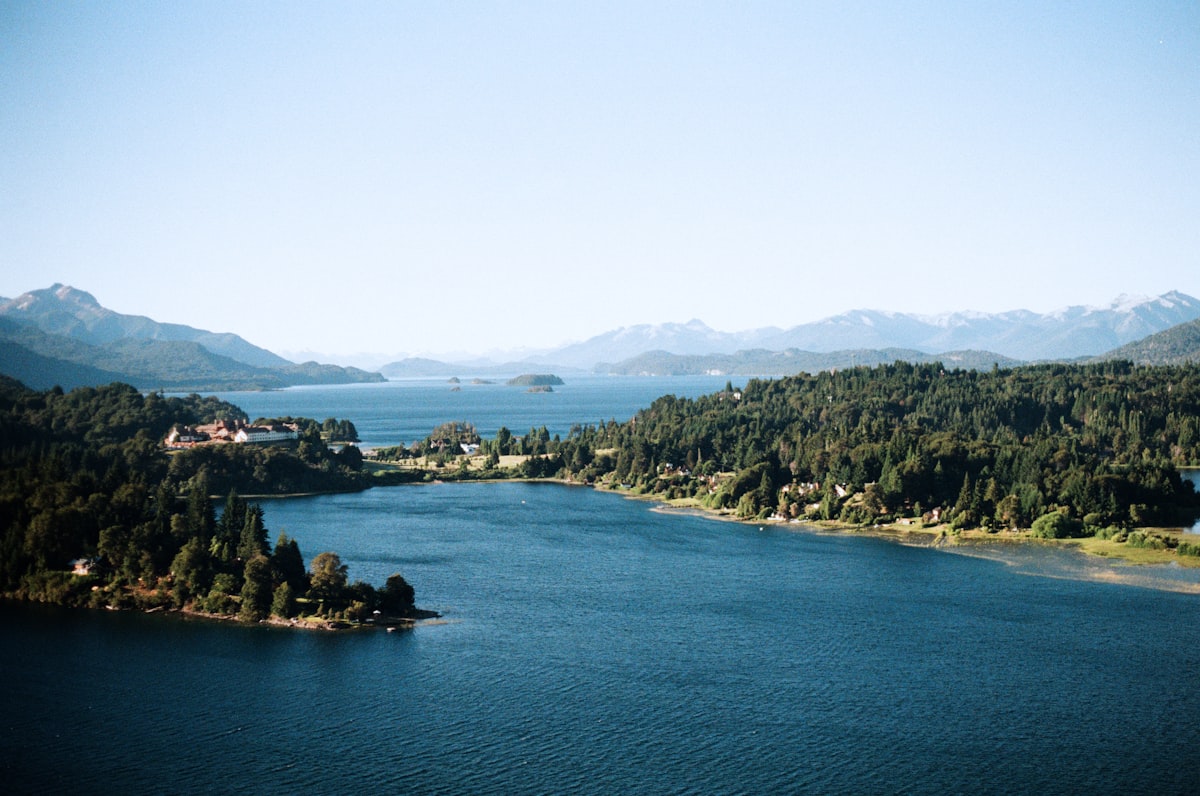
Cerro Catedral, South America’s largest ski resort, is fully open for the 2026 winter season with all 110 runs in operation across its 1,200 hectares of skiable terrain. The resort — set in the Argentine Lake District above the city of Bariloche — is running lift systems across both the main Catedral sector and the neighbouring Las Águilas area, with snow depths sufficient for all ability levels.
Snow Conditions and What’s Open
As of early August, the mountain is reporting solid base depths across the majority of its terrain following a productive July snowfall period. The upper lifts accessing the highest terrain above 2,000 metres are running subject to weather, while the principal intermediate and beginner areas lower on the mountain are reliable throughout the day.
The Las Águilas sector — accessed by gondola from the base — provides longer runs at mid-mountain and is popular with intermediate skiers. Advanced skiers and snowboarders focus on the steep chutes and off-piste terrain above the main lifts on the Catedral side.
Peak Season Timing
August is Cerro Catedral’s peak month, combining the strongest snow base with the highest visitor volumes. This is school holiday season in Argentina and several neighbouring countries; weekends in particular are busy and lift queues can be significant at mid-morning. Arriving at the base area for first lifts — which typically open around 08:30 — makes a real difference to the skiing day.
September is often considered the optimal balance month: the ski season continues (typically through to mid-October depending on snow conditions), crowds thin after the Argentine school holidays end, and prices for accommodation in Bariloche drop noticeably.
Getting to the Mountain
The resort base is approximately 20 kilometres from the centre of Bariloche along Route 84. Public buses (línea 55) connect the city centre to the base area and run from early morning. Taxis and remises are available; organised van transfers can be pre-booked from most hotels.
Bariloche itself is well set up as a ski town base — the city centre has ski hire shops, good restaurants, and a range of accommodation from budget to high-end. Equipment hire on the mountain is also available but tends to be more expensive than renting in town.
Lift Passes and Pricing
Daily lift passes for the 2026 season start at around ARS 40,000–50,000 for adults (approximately USD 35–45 at current exchange rates). Multi-day passes offer better value and can be purchased at the ticket office or online via the resort’s website. International visitors should check which payment methods are accepted — the Argentine peso situation means that credit card payments in USD or EUR are sometimes offered at preferential rates at the mountain.
Our Bariloche trekking guide covers the non-skiing side of the national park for those visiting with mixed-activity groups. The lakes and forests around Bariloche make it worth extending a visit beyond the ski days. For guided ski tours, lessons, and other Bariloche activities, browse options from local operators.