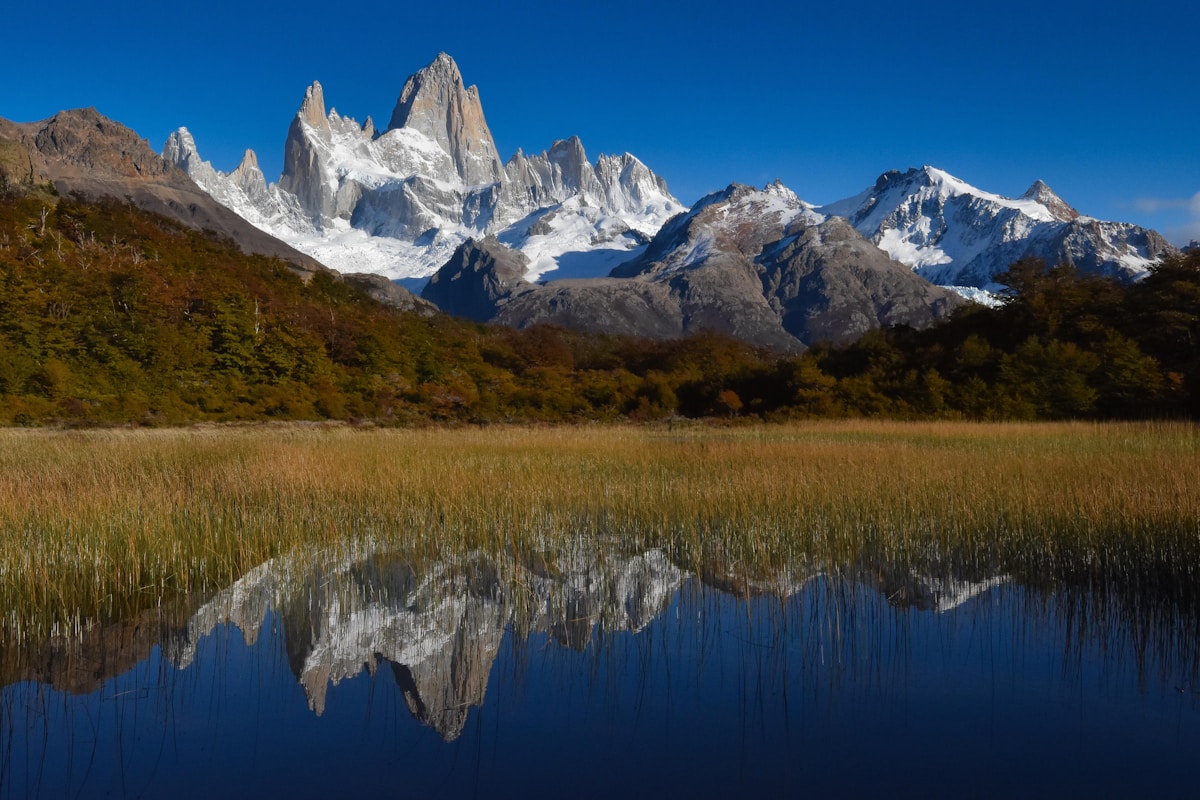
El Chaltén is a purpose-built trekking village of around 2,000 permanent residents at the northern edge of Los Glaciares National Park. It exists almost entirely to serve trekkers accessing the Fitz Roy and Cerro Torre massifs — two of the most dramatic mountain formations in Patagonia. The trailheads for Laguna de los Tres (with views directly onto Fitz Roy) and Laguna Torre begin from the village itself, and most treks are multi-day or can be broken across two or three days of hiking. Accommodation ranges from basic shared dormitories to genuinely comfortable mountain lodges. The village shuts down almost entirely from May to October.
Understanding El Chaltén’s Layout
El Chaltén is small enough that neighbourhood distinctions barely apply — the village covers an area of roughly 1 km² and everything is walkable. That said, there are practical differences:
Av. San Martín (main street) runs through the centre and has the highest concentration of hostels, restaurants, and gear shops. Properties here are convenient but can be noisy on summer evenings.
Northern end (near park entrance) — The trail to Laguna de los Tres begins from the visitor centre at the north end of town. Staying at this end shaves 10–15 minutes off your early morning trail start — relevant when you’re aiming for sunrise at the lagoon.
Western hillside streets — A handful of guesthouses and cabin complexes sit on quieter streets above the main avenue, often with unobstructed Fitz Roy views. The walk to trails takes 5 minutes longer but the trade-off in tranquility is worthwhile.
Getting to El Chaltén
From El Calafate Airport (ECA): The only practical route is by bus from El Calafate. The journey takes 3–3.5 hours on mostly unpaved Ruta 23 through open steppe. Several bus companies (Cal Tur, Taqsa-Marga, Chaltén Travel) operate daily services; the fare runs approximately ARS 12,000–18,000 one way as of 2026. Most buses coincide with flight arrivals in El Calafate — confirm with your accommodation.
Private transfer from El Calafate costs approximately ARS 60,000–80,000 for the vehicle and is practical for groups or late arrivals.
Hostels and Budget Accommodation (ARS 25,000–100,000/night)
Rancho Grande Hostel — San Martín 520. El Chaltén’s most established hostel, with dormitories and private rooms in a large property near the park entrance. Well-organised, with laundry facilities, a communal kitchen, and useful trekking bulletin boards. Dorm beds from approximately ARS 30,000; private rooms from ARS 90,000 as of 2026.
El Refugio del Mochilero — Lago del Desierto 135. A backpacker-focused hostel with basic but clean dormitories and a sociable common area. Popular with solo travellers; the communal kitchen and drying room are well-used. From approximately ARS 25,000 per dorm bed.
Albergue Patagonia — San Martín 493. A mid-size hostel in a central location with a mix of dorm and private accommodation. Staff are experienced local guides or trekking enthusiasts with current trail conditions information. From approximately ARS 28,000 per dorm bed.
Mid-Range Guesthouses and Lodges (ARS 130,000–280,000/night)
Hostería Senderos — Halvorsen 93. A comfortable mid-range property with 20 rooms, breakfast included, and a lounge with wood-burning stove. One of the better-value properties in this category; rooms are simply furnished but warm and practical. Rates approximately ARS 140,000–200,000 per night as of 2026.
Hostería Lago Viedma — Av. del Libertador 212. A well-regarded guesthouse with Lago Viedma views from upper-floor rooms, attentive service, and a restaurant serving Patagonian lamb and trout. Rates approximately ARS 170,000–240,000.
Kauyeken Lodge — Antonio Rojo 90. A boutique lodge with a focus on trekking logistics — drying rooms, pack storage, early breakfast for trail starts, and knowledgeable staff. Rates approximately ARS 160,000–230,000.
Upscale Accommodation (ARS 300,000–700,000+/night)
Aguas Arriba Lodge — Lago del Desierto, 40 km north. A remote all-inclusive lodge on the shores of Lago del Desierto, accessible only by road and boat. Guided excursions, fly-fishing, kayaking, and gourmet meals included. Only 12 rooms; books out months ahead. Rates from approximately ARS 550,000 per person, full board.
Posada Lunajuim — Trevisán 45. A well-designed boutique property at the quieter end of town, with 12 rooms, a library lounge, and strong mountain views. Rates from approximately ARS 300,000 as of 2026.
Infinito Sur — Av. del Libertador 447. A small lodge-style property with timber-and-glass architecture and direct Fitz Roy sight lines from the lounge. Breakfast is generous and timed to early departures. Rates approximately ARS 350,000–500,000.
Seasonal Notes
- January–February: Peak season; book 2–3 months ahead. The village is at capacity, trails are busy, and weather is at its most reliable (though wind and cloud at altitude remain unpredictable).
- November–December / March–April: Shoulder season. Better availability, quieter trails, good weather — these are arguably the best months to visit. March has reliable calm days and autumn colour in the lenga beech.
- May–October: Village effectively closed. Most accommodation, restaurants, and services shut. Only a handful of year-round residents remain.
Practical Tips
- El Chaltén charges no national park entry fee (unlike El Calafate/Perito Moreno). The park entrance office at the north end of town provides free trail maps and up-to-date weather information.
- Cash is essential. El Chaltén has limited ATMs and they run out regularly in peak season. Arrive with sufficient pesos from El Calafate.
- Most hostels and guesthouses offer a packed lunch service for trekking days — worth using given the limited options on trail.
- Wind and weather on the massif change rapidly. Factor in at least two nights minimum to have a reasonable chance of clear views at Laguna de los Tres.
Book your El Chaltén trip: Tours from El Chaltén · Travel insurance · Transfers from El Calafate
See also: El Chaltén city guide · Things to do in El Chaltén · El Chaltén vs Ushuaia: which to visit?