Argentina has entered the 2026 World Travel Awards cycle with a strong set of nominations spanning country-level, city, and destination categories - recognition that reflects the country’s continued rise as one of South America’s most competitive travel markets.
The World Travel Awards, which have recognised excellence in tourism since 1993, draw nominations based on travel industry votes and are widely regarded as one of the sector’s key benchmarks for destination quality.
What Argentina Is Nominated For
At the South America regional level, Argentina is in contention for:
- South America’s Leading Destination - the headline country-level award
- South America’s Leading Nature Destination - a recognition of the country’s extraordinary natural environments, from Patagonian glaciers to Andean salt flats and subtropical jungle
Buenos Aires has been nominated for South America’s Leading City Destination, building on momentum from a previous cycle win. The capital’s growing international profile - driven partly by its competitive cost for international visitors and a genuinely world-class restaurant and cultural scene - has strengthened its standing in the awards.
Mendoza received separate recognition this year, appearing in Time Out magazine’s global top 10 destinations for 2026. The city’s combination of wine-country access, mountain backdrop, and increasingly polished hospitality infrastructure has widened its appeal beyond the traditional wine-tourism audience.
Why This Matters for Travellers
Industry award nominations are not infallible guides to a destination’s character - but at scale, they do signal where investment is flowing and where the international travel community’s attention is focused. Argentina’s current trajectory suggests a destination that is actively developing capacity to receive visitors rather than one coasting on a historical reputation.
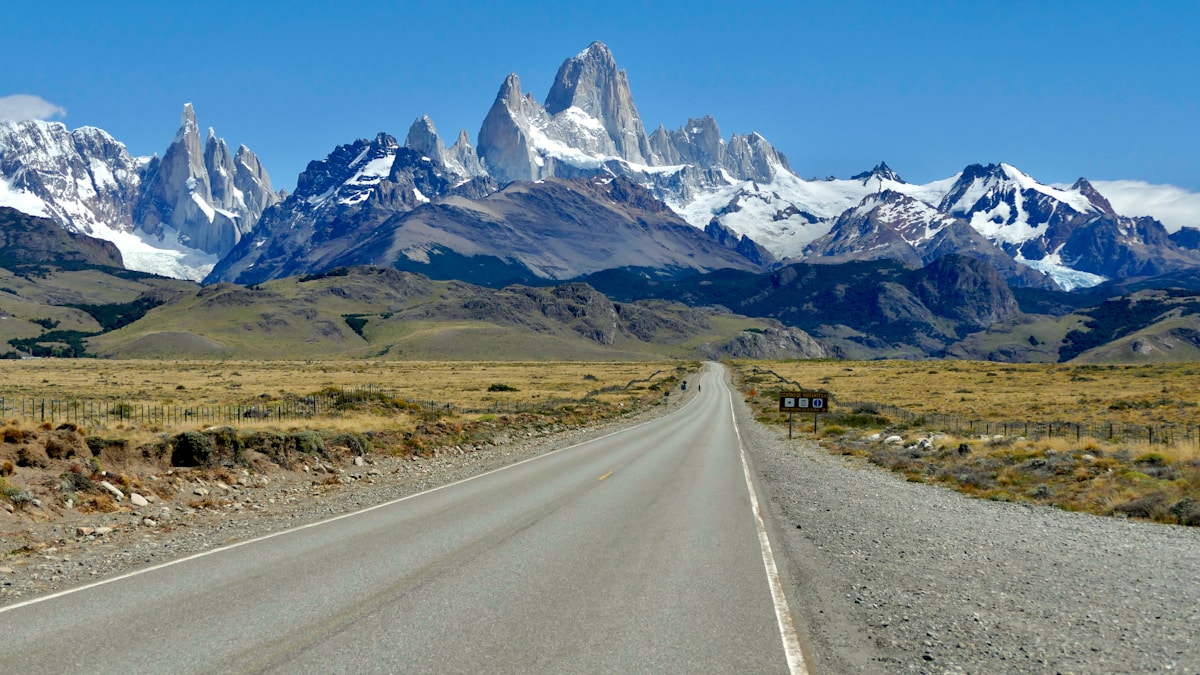
Patagonia has been a particular draw. Demand for experiences around Perito Moreno Glacier, El Chaltén, and the trekking circuits of Los Glaciares National Park has been strong enough that higher-end properties in El Calafate and El Chaltén have been reporting fuller booking windows into 2026 than previous seasons.
The broader picture is complicated by domestic economic factors. Argentine residents have been travelling internationally in greater numbers than inbound visitor arrivals would suggest, reflecting a local consumer dynamic with its own logic. For foreign visitors - who benefit from a favourable exchange rate - this imbalance can translate to a country that feels accessible and, in some ways, undersaturated with international tourism relative to its attractions.
Buenos Aires as a Gateway
Buenos Aires remains the entry point for the vast majority of international visitors. Direct long-haul services operate from major hubs in Europe, North America, and across South America, giving it solid connectivity for most markets.
The city functions well both as a destination in its own right and as a staging point for travel deeper into the country. It is one of few cities in South America where a visitor might comfortably spend a week without leaving, then board a domestic flight south to Patagonia or northwest to Salta and feel they have experienced two entirely different countries.
For guidance on how to structure a trip that makes the most of Argentina’s regional variety, our Argentina itineraries section covers routes from a focused Buenos Aires stay to two-week cross-country circuits.
Planning Ahead
If awards recognition translates into increased demand for Argentina’s peak periods - the Patagonia summer (December–March) and the Buenos Aires shoulder seasons (spring and autumn) - forward booking windows are likely to tighten over the next 12 to 18 months.
For the best time to visit Argentina based on your specific plans, our practical guide covers seasonal timing for each major region. To get started on your trip, browse tours and experiences across Argentina through our activity partner.