Argentina’s government has announced a series of measures to increase security ahead of the spring and summer tourism season, including tighter controls at land border crossings, additional police presence in tourist-heavy urban areas and enhanced screening at Ezeiza and Aeroparque airports.
The measures, announced in mid-August, apply nationally but are concentrated in Buenos Aires, Mendoza, Bariloche and the northern provinces of Jujuy and Salta, which see peak visitor numbers from October through March. Officials have described the measures as precautionary and linked to broader regional security trends rather than any specific threat.
What changes for visitors
For most international visitors, the practical effect will be limited. Argentina has always required valid passports at all entry points, and the tighter border checks mean that documentation is being inspected more thoroughly than in previous seasons — particularly at the Mendoza–Santiago crossing and the crossings at Puerto Iguazú.
Visitors should carry their passport at all times rather than leaving it in accommodation. A certified copy may satisfy some requirements, but original documents are increasingly expected at checkpoints and during identity checks in public spaces in Buenos Aires.
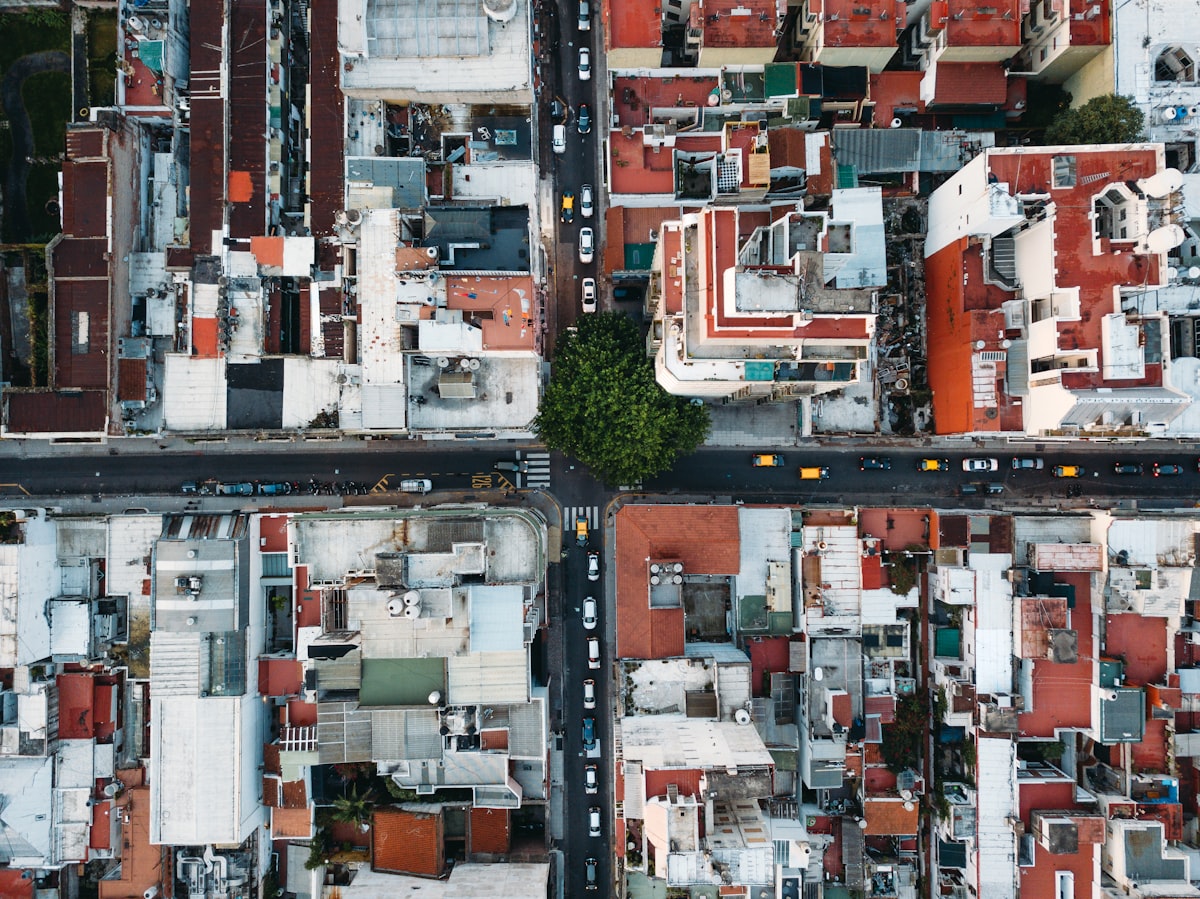
Increased police presence in tourist areas is visible in Buenos Aires, particularly in San Telmo, Palermo, La Boca and around the Puerto Madero waterfront. The additional patrols are intended to deter petty theft, which has risen in peak tourist areas over the last two years.
What has not changed
Argentina remains a functioning destination with a well-developed tourism infrastructure. International flights continue to operate normally. Internal travel by air and long-distance bus is unaffected. The measures do not constitute a travel ban, evacuation advisory or emergency of any kind. Visitors should ensure they have valid travel insurance for Argentina before arrival, covering trip disruption and medical emergencies.
Several European and North American foreign ministries have updated their Argentina travel advice pages in August to note the heightened security environment, with most retaining an “exercise normal precautions” or “exercise increased caution” rating. Travellers should check the advice from their own government before departure.
Buenos Aires specifically
Buenos Aires street-level safety varies considerably by neighbourhood. Areas around Recoleta, Palermo, Belgrano and Puerto Madero are low-risk for tourists. The Microcentro and La Boca require more attention, particularly at night and at quieter times of day. Our Buenos Aires guide covers the neighbourhoods, what to watch for and how to use public transport safely.
For overland travel from Chile, Bolivia or Brazil, build extra time into crossings in September and October until the new border procedures settle into a routine. The Argentina safety guide covers entry requirements, what documentation to carry and how to handle situations where documents are requested.