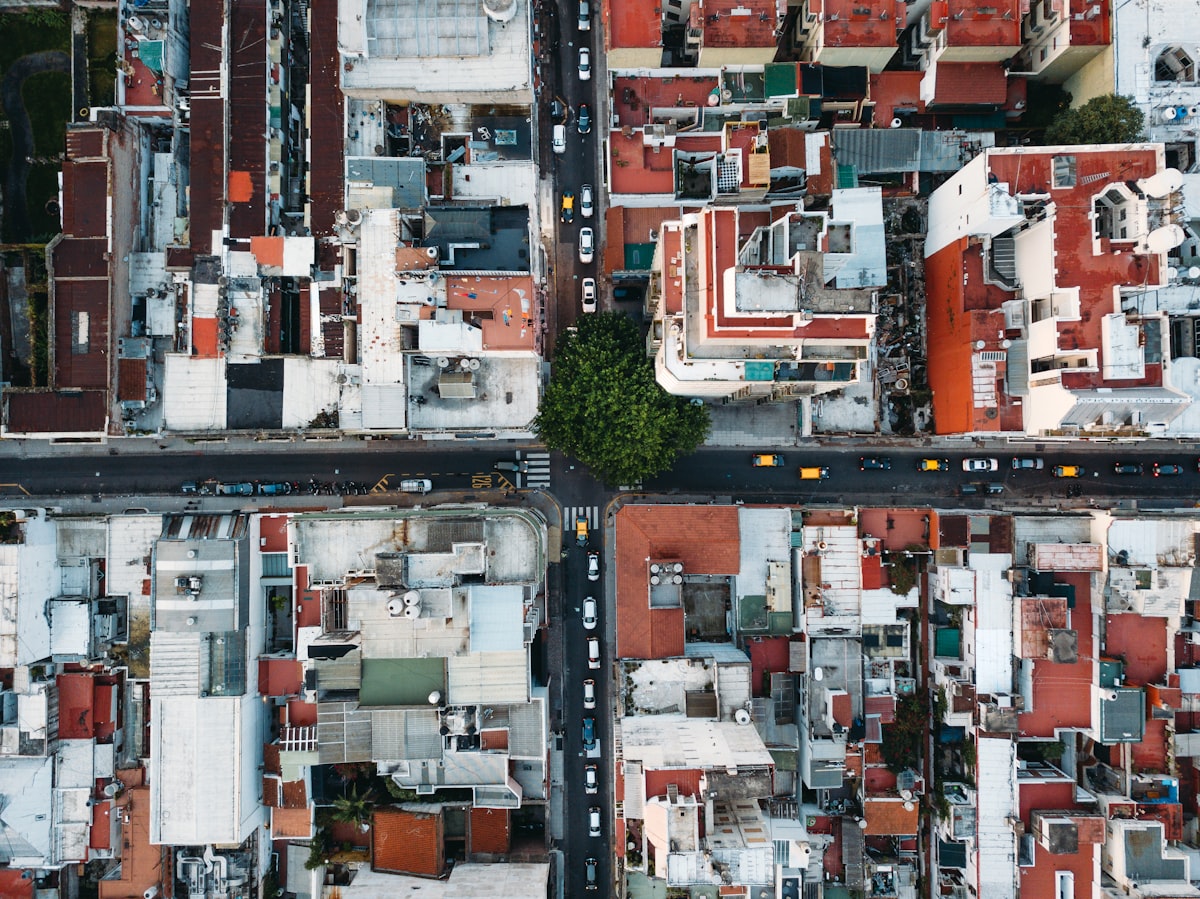
Argentina does not have the extreme security situation of some neighbouring countries, but it would be misleading to present it as risk-free. The concerns are real and specific - understanding them allows most travellers to move through the country without incident.
Buenos Aires: The Honest Picture
Buenos Aires is a large, complex city of around 15 million people in the greater metropolitan area. Like any major city, it has safe areas and genuinely unsafe areas, and the risks vary by neighbourhood, time of day, and behaviour.
Lower-risk neighbourhoods for tourists: Palermo (Soho, Hollywood, the parks), Recoleta, Puerto Madero, San Telmo (daytime), Belgrano. These areas see constant foot traffic, have a visible police presence, and the primary risk is opportunistic petty theft rather than anything more serious.
Higher caution zones: La Boca is the main area where visitor warnings are well-established. The tourist section around El Caminito is fine, but the surrounding streets - and particularly after dark - carry a markedly higher risk of robbery. Don’t wander beyond the tourist zone in La Boca. The southern parts of the city, Constitución station area, and parts of the Microcentro at night warrant the same caution you’d apply in any large city’s rougher districts.
What actually happens most often: Phone snatching is the most common tourist incident - someone on a motorbike grabs a phone from your hand while you’re walking, or a person snatches it from a table. Keep your phone in a pocket while walking. Bag snatching from cafe chairs is also common - always hook a bag strap around a chair leg or keep it in your lap.
ATMs and Money Safety
Using ATMs in Argentina carries a specific risk beyond the low withdrawal limits. Express kidnappings (where someone forces you to withdraw cash and hands it over) are occasionally reported but are relatively rare and typically target people withdrawing large amounts late at night in poorly lit areas.
Practical mitigation: use ATMs inside banks or shopping centres during daytime hours, and don’t walk away from an ATM while obviously counting cash. Better still, exchange USD at casas de cambio during business hours rather than relying on ATMs for large amounts.
Currency Scams
The peso’s complexity creates scam opportunities. “Cambio, cambio” street changers offer unofficial exchange and either give fake notes or shortchange. Don’t exchange money with individuals on the street, regardless of the rate offered. Use established casas de cambio or hotel exchange services for informal rate transactions.
Counterfeit peso notes circulate. When receiving change or making casual exchanges, check notes - genuine pesos have watermarks and security threads. Fake 1,000 and 500 peso notes are the most commonly reported.
Regional Safety
Patagonia: The trekking regions (El Chaltén, El Calafate, Bariloche) have very low crime. These are small towns with predominantly tourist and outdoor-worker populations. The risks here are environmental - hypothermia, altitude, getting lost on trails - rather than criminal.
Northwest (Salta, Jujuy): Generally safe in city centres. Border regions near Bolivia and Paraguay have different risk profiles - petty theft and drug trafficking activity have been reported in some border crossings. Tourist itineraries in the Quebrada de Humahuaca and Salinas Grandes are not affected.
Mendoza: Safe by Argentine standards. The city centre and wine-touring areas are low-risk.
Iguazú: Tourist-focused and relatively safe. The town of Puerto Iguazú is small and well-policed. The tri-border area with Brazil and Paraguay has higher risk - don’t cross into the Brazilian or Paraguayan sides unnecessarily unless you’ve researched those countries’ current conditions.
Political and Economic Stability
Argentina’s economic instability - high inflation, peso devaluation, and occasional social protest - creates a background noise of uncertainty. Large protests (piquetes) occasionally block roads or central Buenos Aires access points. These are almost always peaceful but can disrupt transport. Monitor local news if travelling during periods of political tension.
General Advice That Works
If you’re travelling alone, our Argentina solo travel guide covers BA neighbourhood safety in detail, along with Patagonia logistics and practical tips for meeting people on the road.
- Walk with purpose - avoid looking visibly lost or consulting your phone in the middle of a pavement.
- Keep a copy of your passport and leave the original in your accommodation safe.
- Use a money belt or hidden pouch for USD cash when carrying larger amounts.
- Avoid expensive-looking watches, jewellery, or camera equipment worn openly on the street.
- If you’re robbed, hand over the item. Resistance is never recommended.
- Register your travel plans with your country’s consulate if visiting for an extended period.
Argentina’s reputation among experienced travellers is that it’s manageable with normal urban caution. The risks are primarily opportunistic and preventable. Travel insurance for Argentina that covers medical costs and theft is worth arranging before departure, particularly for Patagonia trekking where access to medical care is limited. For guided experiences - tango shows, wine tours, glacier walks - tours booked through verified operators add a useful layer of organisation when you’re navigating a new destination.
See Also: Solo travel in Argentina · First time in Argentina · Argentina travel insurance · Buenos Aires travel guide
Plan Your Trip
✈️ Book your flights to Argentina 🛡️ Get travel insurance 📱 Stay connected with an eSIM 🚗 Rent a car