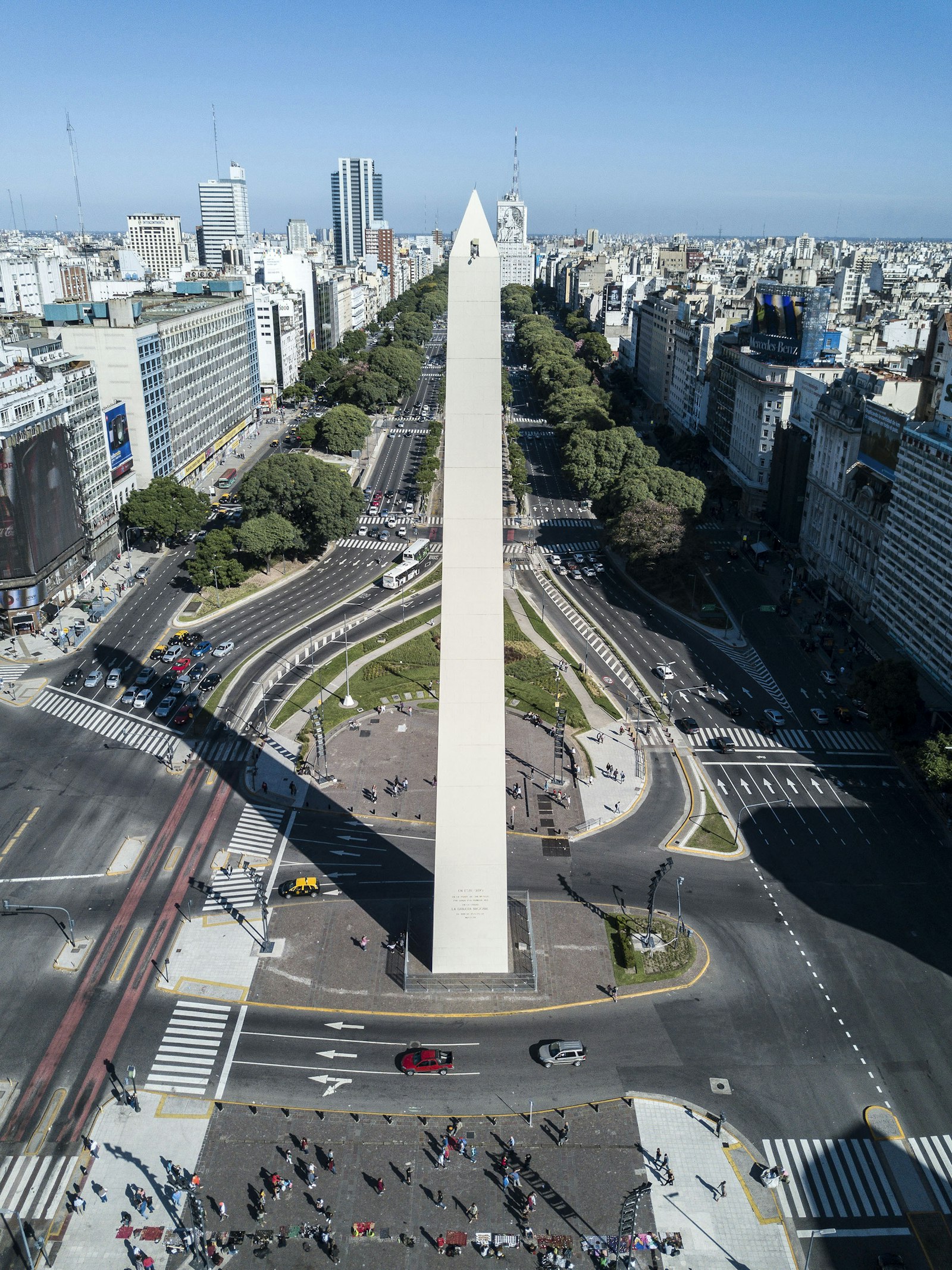
Argentina is one of the best countries in South America for solo travel. It has the infrastructure - long-distance buses, a vast hostel network, organised tour groups - and the culture: Buenos Aires is sociable by default, Patagonia’s trekking routes are natural meeting points, and the food and wine scene gives you a reason to sit at a bar and talk to people. Here is what to know before you go.
Is Argentina Good for Solo Travel?
Argentina is Latin America’s most European-feeling destination, and that shapes the solo travel experience significantly. Buenos Aires has the café culture, the urban sophistication, and the density of international visitors that make it easy to meet people and move independently. Patagonia has world-class trekking with natural social dynamics built into the trails. Mendoza has wine tours that put strangers around a table together.
The practical infrastructure is strong: Andesmar, Flecha Bus, and Via Bariloche operate comfortable long-haul coaches with reclining seats between major cities. Booking.com has broad coverage across hostels and hotels. Spanish is genuinely helpful to have - English is spoken in most tourist-facing businesses in Buenos Aires and Bariloche, less so elsewhere.
For solo travellers who want a mix of city culture and outdoor adventure without the logistical difficulty of some neighbouring countries, Argentina consistently delivers.
Safety for Solo Travellers
Argentina is generally safe for solo travellers exercising normal urban awareness. The country does not have the organised criminal threats present in some other South American destinations, but economic instability over recent years has elevated petty theft in the major cities.
In Buenos Aires, neighbourhood matters. Palermo and Recoleta are safe and comfortable at most hours. San Telmo is lively and popular but pick-pocket aware - crowded markets attract opportunists. La Boca (the famous colourful street, Caminito) is fine in daylight in the tourist area but should be avoided after dark. The Microcentro and Retiro bus terminal at night require the same street awareness you would apply in any large city.
Phone theft is the most common incident reported by travellers - avoid holding your phone out on the street, particularly in crowded areas and on the Subte (metro). ATM skimming has been reported; use machines inside bank branches where possible.
Outside Buenos Aires, Argentine cities are noticeably calmer. Mendoza, Bariloche, Salta, and Patagonian towns have a different tempo and much lower rates of petty crime.
Solo Female Travel in Argentina
Buenos Aires is one of the more comfortable cities in South America for solo women. Palermo and Recoleta are relaxed at night, café culture means there are always well-lit, occupied spaces, and hostels in these neighbourhoods attract a regular international crowd.
Argentine machismo culture exists - verbal attention from men on the street (piropo) is a real phenomenon in some areas - but Buenos Aires is broadly progressive by regional standards. The feminist movement (Ni Una Menos) is very active in Argentina, and attitudes in the capital especially have shifted considerably over the past decade.
Patagonian towns are small, low-crime, and comfortable for solo women. Hostels in El Chaltén and Bariloche are trekking-focused and attract an international outdoor crowd.
Standard precautions apply: share your location or accommodation details with someone, trust your instincts on taxis (use Uber or pre-book remis rather than hailing street cabs at night), and avoid La Boca after dark.
How to Meet People in Argentina
Argentina gives solo travellers multiple genuine routes to social connection - not just the standard hostel dynamic.
Tango classes and milongas in Buenos Aires are consistently cited as the single best way to meet people in the city. The traditional milonga format involves partner rotation - you dance with a different person every tanda (set of three or four songs). You do not need to be good. La Catedral (Sarmiento 4006) is casual and bohemian; El Beso (Riobamba 416) is more traditional. Group lessons before the milonga are standard and take absolute beginners. A single night typically results in a table of new contacts.
Facebook groups - the “Expats in Buenos Aires” group is large and active, with regular meetups, recommendations, and informal gatherings. “Digital Nomads Buenos Aires” is also active for remote workers. Both are worth joining before you arrive.
Couchsurfing Buenos Aires meetups take place weekly and are one of the most reliable ways to meet a mix of travellers and locals in a short time.
Patagonia trekking groups - the trails around El Chaltén (Laguna de los Tres, Laguna Torre) are busy in high season (December–February) and it is easy to fall into step with other trekkers and share a meal at base camp. The W-circuit at Torres del Paine (across the border in Chile, but a natural add-on) is one of the world’s classic social treks.
Mendoza wine bike tours - shared bicycle routes through the Maipú wine district put a mixed group together for the day. These consistently generate good conversation.
Hostel rooftop scenes in Buenos Aires - América del Sur (Peru 535, San Telmo) and Milhouse Avenue (Av. de Mayo 1328) are well-known for their social common areas and organised events. Worth booking even if you prefer private rooms for the social atmosphere.
Best Bases for Solo Travellers
Buenos Aires is the natural starting point and needs at least five days. Palermo or San Telmo are the best neighbourhoods for solo travellers - density of cafes, restaurants, hostels, and things to do within walking distance. Buenos Aires also has the best transport connections for reaching the rest of the country.
El Chaltén is Argentina’s trekking capital and arguably the easiest place in the country to meet fellow travellers. It is a single-street mountain town with a handful of hostels and restaurants - everyone is there for the same reason (Fitz Roy), and conversations start naturally on the trails and at dinner. Read our full El Chaltén guide for accommodation and logistics.
Mendoza suits solo travellers who want wine country without the difficulty of driving - tours from the city handle transport to bodegas, and the city centre has a good café and restaurant scene for evenings alone or with new company.
Group Tours Worth Taking
Some of Argentina’s top experiences work best with a guide or group. Iguazú Falls is logistically straightforward solo but organised tours handle the boat ride under the falls and the circuits efficiently. Buenos Aires tango tours give a structured introduction to the milonga world for those who feel uncertain walking in alone. Patagonia glacier tours at Perito Moreno are almost always group-format by boat and ice walk.
Guided tours across Argentina - with filters by city and activity type - make it straightforward to find something that fits your itinerary.
Practical Solo Tips
Budget: Budget travellers in hostels managing their own meals can live on approximately USD 40–60 per day in Buenos Aires. Mid-range solo - private rooms, eating out regularly - runs USD 70–100. Patagonia runs 20–30% higher due to limited supply and logistics costs.
The exchange rate: Argentina has a complex multi-rate currency system. The informal rate at licensed casas de cambio (exchange houses) gives significantly more pesos per USD than the official bank rate. Services like Wise or Remitly transfer USD to Argentine peso accounts at close to the official rate - research the current rate gap before travel. Bring USD cash in clean, undamaged notes. ATMs use the official rate and have low withdrawal limits; useful for emergencies rather than primary cash.
Long-distance buses: Argentina’s intercity bus network is excellent. Cama (fully reclining) and semi-cama seats make overnight journeys comfortable. Buenos Aires to Mendoza is approximately 14–16 hours; Buenos Aires to Bariloche is approximately 20–22 hours. Book on Plataforma 10 or directly with operators like Andesmar or Flecha Bus.
Patagonia logistics: El Chaltén and El Calafate require advance planning in high season (December–February). Accommodation books out weeks ahead, particularly in El Chaltén. Book as soon as you have fixed dates. Internal flights (Buenos Aires to El Calafate or Bariloche) should also be booked early - Aerolíneas Argentinas prices increase sharply as departure approaches.
Insurance: Solo travellers should arrange travel insurance for Argentina before departure - medical evacuation cover is important for Patagonia and remote northwest routes.
SIM cards: A local SIM from Personal or Claro gives reliable data for navigation and translation. Buy at the airport or any phone shop in Buenos Aires with your passport. Alternatively, set up an Argentina eSIM before departure - it activates on arrival and skips the queue entirely.
Best Time to Go Solo
Buenos Aires: April to June and September to November are the best months - mild temperatures, fewer tourists than peak summer, and full cultural programming. The city is functional year-round; January and February are hot and many porteños (BA residents) leave for the coast, which quiets the city.
Patagonia: December to February is the hiking window. Days are long, trails are open, and the weather - while unpredictable - is at its most reliable. March sees fewer crowds with weather still reasonable. Outside this window, high-altitude trails close and Patagonian conditions are severe.
The two regions are in opposite seasons from the Northern Hemisphere - Argentina’s summer (December–February) is the Northern winter, which is one reason Argentina suits year-round travel from Europe and North America: you can escape winter by heading south.
See Also: Is Argentina safe? · Best time to visit Argentina · Argentina budget guide · El Chaltén travel guide · Buenos Aires travel guide
Plan Your Trip
✈️ Book your flights to Argentina 🛡️ Get travel insurance 📱 Stay connected with an eSIM 🚗 Rent a car