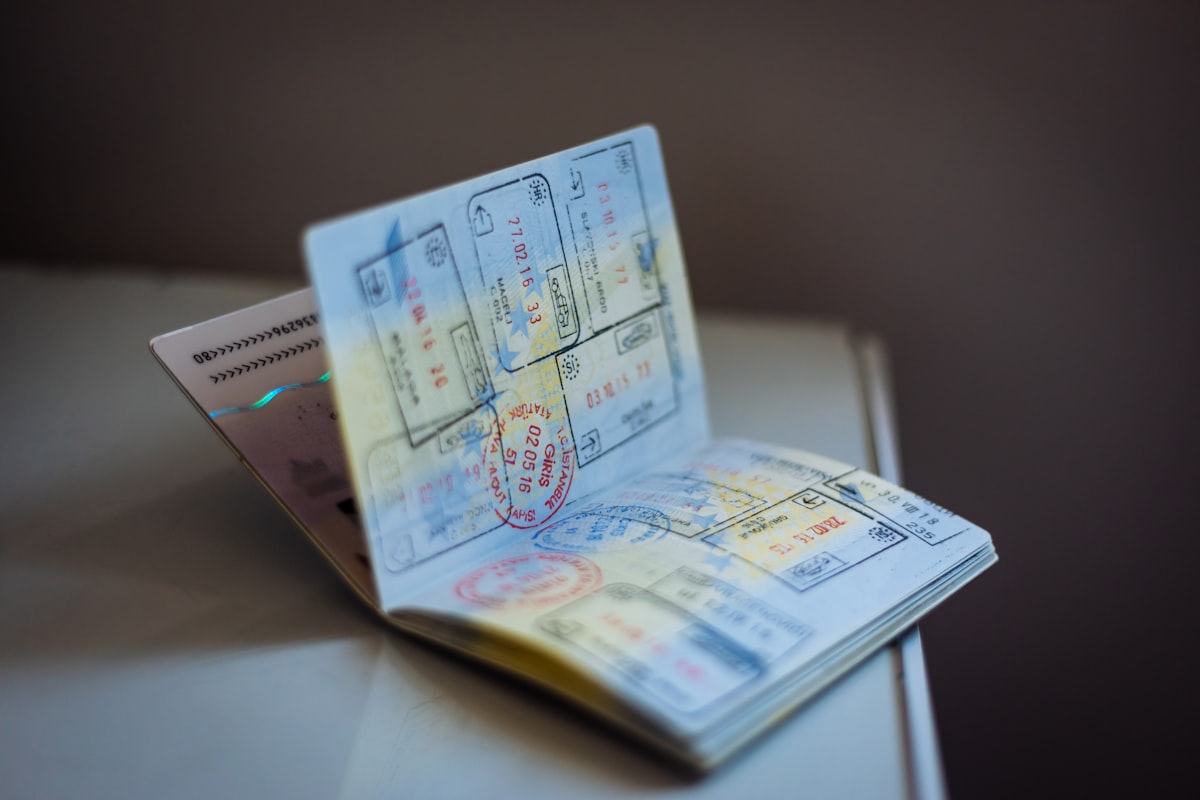
Argentina is one of the more accessible countries in South America for Western visitors — the majority of nationalities can enter without a visa and stay for 90 days as tourists. The country abolished its reciprocity fee system in 2016, removing one of the main bureaucratic obstacles. Here is everything you need to know before travelling.
Before You Travel
- Travel insurance: EKTA — covers medical emergencies, trip cancellation, and travel delays.
- Passport validity: Check your passport is valid for the full duration of your stay.
- Onward travel proof: Most carriers and immigration officers expect a return or onward ticket.
- Yellow fever vaccination: Required if arriving from an endemic country (Bolivia, Brazil, Peru, Colombia).
Who Can Enter Visa-Free
Argentina operates a broad visa exemption policy for most Western countries and all Mercosur member and associate states.
Visa-free for 90 days (no advance application required):
- United States, Canada, United Kingdom, Australia, New Zealand
- All European Union member states
- Switzerland, Norway, Iceland, Liechtenstein
- Japan, South Korea, Singapore, Israel
- Mexico, Chile, Brazil, Uruguay, Paraguay, Bolivia, Colombia, Peru, and other South American countries
- Most Caribbean and Central American countries
At the border, immigration officers issue a tourist entry stamp valid for 90 days. No form, fee, or pre-registration is required for visa-exempt nationalities.
Nationalities that require a visa in advance: Most African, Middle Eastern, and some Asian countries require a visa obtained from an Argentine embassy or consulate before travel. Notably:
- China (mainland), India, Pakistan, Bangladesh
- Most African nations
- Cuba (visa-free by special agreement)
- Russia (visa-free as of 2023 under bilateral agreement — verify current status)
If your nationality is not listed above and you are unsure, check the Argentine Migraciones (migration authority) website or contact the nearest Argentine embassy. Requirements can change with diplomatic shifts.
The Reciprocity Fee: Now Abolished
Between 2010 and 2016, Argentina charged a reciprocity fee (tasa de reciprocidad) to US, Canadian, and Australian citizens — a direct mirror of the fees those countries charged Argentine visitors for their own visas. The fee was approximately USD 160 for US citizens at its peak.
Argentina abolished the fee in April 2016, following reductions in US and Australian visa fees. There is no equivalent fee in 2026. If any source tells you to pay an Argentine entry fee online before arrival, it is either outdated information or a scam.
Passport Requirements
Validity
Your passport must be valid for the duration of your stay. Argentina does not require six months of validity beyond your departure date — validity simply needs to cover the days you plan to be in the country. However, airlines may require six months of validity for boarding, so check with your carrier.
Biometric Passports
Argentina does not legally require a biometric passport for entry from visa-exempt countries — an older-style passport remains valid if otherwise meeting requirements. That said, most countries have now issued biometric passports to replace older documents, so this is rarely a practical issue.
Damaged Passports
Do not travel with a damaged passport. Even minor water damage, torn pages, or a worn cover can lead to being refused boarding or entry. If your passport is in poor condition, renew before travelling.
Children
Children travelling with one parent (not both) or with neither parent require a notarised permission letter from the absent parent(s) in some circumstances. Requirements can depend on the child’s nationality — check with the relevant Argentine embassy. Children under 5 are typically required to carry their own passport.
Entry Process at Buenos Aires Airports
Ezeiza International Airport (EZE)
Arriving passengers clear immigration before baggage collection. For visa-exempt nationalities, join the “Turistas / Tourists” queue. You will need to present:
- Valid passport
- Onward or return ticket (in practice, digital confirmation on your phone is accepted)
- Proof of accommodation for the first night (a hotel booking confirmation is sufficient)
Immigration officers may ask how long you plan to stay. For tourist visitors, stating your intended departure date is straightforward. The process is generally quick outside of peak arrival windows.
Aeroparque Jorge Newbery (AEP)
International flights via Aeroparque are primarily from Uruguay, Paraguay, and Brazil. If arriving from one of these countries, immigration is fast — Mercosur citizen queues are typically very short.
Land Border Crossings
Argentina shares land borders with Chile, Bolivia, Paraguay, Uruguay (via ferry from Buenos Aires or directly via Salto), and Brazil. All major crossings have 24-hour operation in high season, though queues can be long at popular crossings (particularly Mendoza to Santiago via Cristo Redentor tunnel).
At land borders, the process mirrors airports — passport presented, entry stamp issued for 90 days.
Length of Stay and Extensions
Standard Tourist Stay: 90 Days
The initial tourist entry permits a stay of up to 90 days. The 90-day clock starts from the date of entry stamped in your passport.
Extending Your Stay
If you want to stay longer than 90 days without leaving the country, you can apply for a prorroga de permanencia (extension) at a Migraciones office. This is available to tourists in good standing — i.e., you have not overstayed your initial period.
The Buenos Aires Migraciones office is located at Av. Antártida Argentina 1355. Extensions are typically 90 days. Processing time varies; apply at least 10–15 days before your stamp expires.
Required documentation typically includes:
- Passport
- Proof of accommodation
- Proof of funds (bank statement)
- Completed application form (available at the office or online via the Migraciones website)
Fee: approximately ARS 8,000–15,000 (USD 8–15) as of 2026, but check the Migraciones website for current pricing as fees are updated regularly.
The Border Run
Many long-term visitors in Argentina do a “border run” — a short trip to a neighbouring country (most commonly Uruguay via the Buenos Aires-Colonia ferry) before re-entering Argentina to reset the 90-day tourist stamp.
This practice is technically within the law but Argentine immigration has discretion. Repeated short-turnaround border runs (particularly if you have done several in succession) can attract scrutiny. Officers may ask about your intentions and sources of income. Most visitors doing occasional border runs over months-long stays do not encounter problems, but it is not guaranteed.
Colonia del Sacramento (Uruguay): The most popular option. The Buenos Aires to Colonia ferry runs several times daily and takes approximately 1 hour. Round trip from approximately USD 60–80. Spend a few hours in Colonia (it is a UNESCO World Heritage city worth seeing properly) and return.
Overstaying
If you overstay your entry stamp, you will be required to pay a fine before departure — approximately USD 50–200 depending on the duration of overstay as of 2026. Overstaying also creates complications for future visa applications to Argentina and potentially other countries. It is avoidable: either apply for an extension, do a border run, or plan your departure within the permitted period.
Long-Term Stay Options
Rentista Visa
For those with regular income from outside Argentina — freelancers, remote workers, investors, retirees — the rentista visa provides a longer legal basis for residing in Argentina. It requires demonstrating consistent income (typically from pension, investments, or foreign employment) rather than income earned in Argentina.
The application is made at an Argentine consulate or embassy in your home country. Processing times and specific documentation requirements vary; consult the relevant Argentine mission.
Student Visa
Formal enrollment in an Argentine educational institution (university, language school accredited by the government) qualifies for a student visa. This extends stay rights for the duration of the course.
Other Categories
Argentina’s Migraciones authority lists several other visa categories including worker visas (for those with formal Argentine employment contracts), religious visas, and humanitarian visas. The digital nomad visa category that many other countries have introduced — a specific permit for remote workers — had not been formalised in Argentina as of 2026, though the topic is actively discussed in immigration policy circles. Check the Migraciones website for any updates.
Health and Insurance Requirements
Yellow Fever
If you are arriving from a country where yellow fever is endemic (including several South American neighbours such as Bolivia, Brazil, Peru, and Colombia), Argentina requires proof of yellow fever vaccination. The certificate should be in the internationally recognised format. This is checked at the border for arriving passengers from affected countries.
If you have been transiting through an endemic country, vaccination requirements may also apply — check current guidance from the Argentine Health Ministry before travel.
Travel Insurance
Argentina does not legally require travel insurance for entry. However, public hospitals, while free at the point of use, may have limited capacity in regional areas, and private medical care is expensive by Argentine standards. Comprehensive travel insurance including medical evacuation is strongly recommended, particularly for adventure activities in Patagonia.
Currency and Declaration on Arrival
Argentina has strict foreign currency regulations. Arriving passengers carrying more than USD 10,000 (or equivalent in other foreign currency) in cash must declare it on arrival at customs. There is no limit on the amount you can bring in, but failure to declare amounts over the threshold carries penalties.
Credit and debit cards work in most Buenos Aires locations but acceptance can be patchy in rural areas. Carrying some cash (USD or pesos) is advisable outside major cities.
Summary
For most visitors, Argentine entry is uncomplicated — present your passport, receive a 90-day stamp, no advance paperwork required. The key actions before travel:
- Verify your nationality’s visa status on the official Migraciones website (migraciones.gob.ar)
- Ensure your passport is valid for your entire intended stay
- Carry proof of return/onward travel and accommodation for the first night
- If staying over 90 days, research the extension process or plan border run logistics before your stamp expires
- Check yellow fever vaccination requirements if arriving from or via an endemic country
Travel Insurance
Sorting travel insurance at the same time as your visa is practical — one policy covers medical treatment, emergency evacuation, and trip cancellation. EKTA offers cover for most nationalities visiting Argentina, with quotes and policy documents available entirely online in under five minutes. A two-week single-trip policy typically starts from around $30.